


BACHEM's Tissue Culture Training Brings Together Producers from 13 Provinces
· Tarım Pusulası
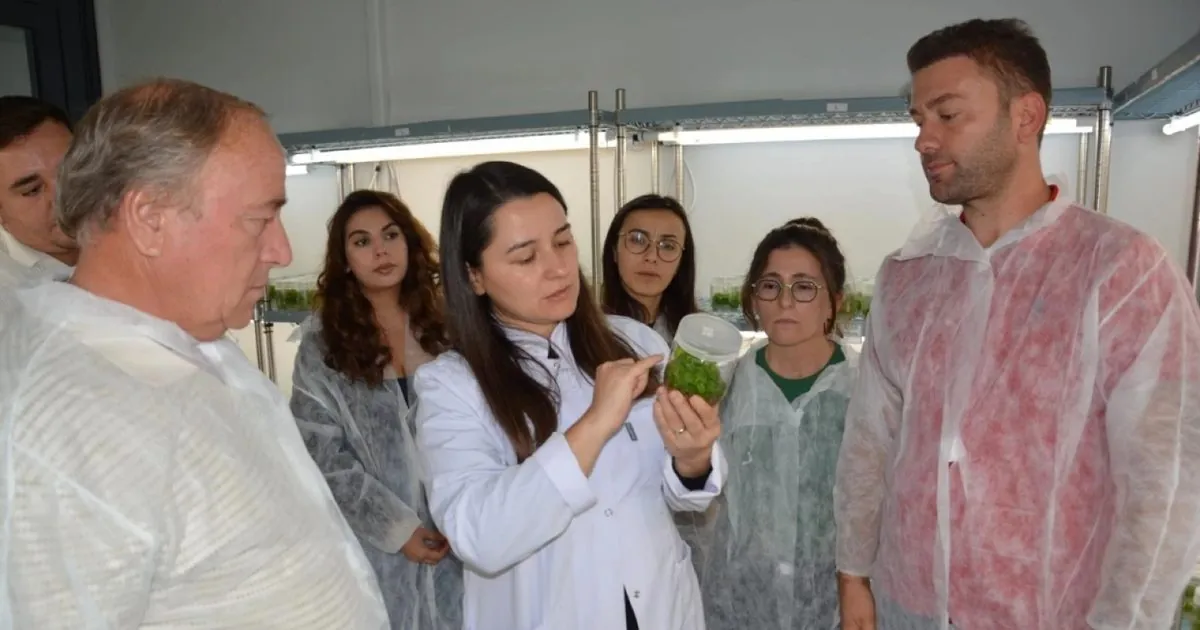
Balıkesir Farmer Training Center (BACHEM) has completed its 6th Plant Tissue Culture Course, organized to increase agricultural productivity and disseminate disease-free production expertise.
Comprehensive Laboratory Training in Biotechnology
Balıkesir Farmer Training Center (BACHEM), operating under the Balıkesir Metropolitan Municipality's Rural Services Department, has completed its 6th Plant Tissue Culture Course program to enhance the skills of producers and experts in the field of plant biotechnology. Throughout the training, sterilization methods, aseptic working conditions, laboratory architecture, and equipment usage were examined in detail. Participants received hands-on training in laboratory settings on nutrient medium and stock solution preparation, as well as seed, meristem tip, node, callus, root, and sub-culturing stages. Furthermore, acclimatization studies, the transition phase from laboratory to greenhouse, were demonstrated in the field.

45 Participants from Various Provinces Attended
According to BACHEM data, a total of 45 individuals, including 30 women, applied for the 6th Plant Tissue Culture Course program. In addition to the host province of Balıkesir, there was significant interest from 13 different cities: Ankara, Antalya, Bursa, Çanakkale, Düzce, Istanbul, Izmir, Kocaeli, Konya, Sakarya, Uşak, and Yalova. This event aimed to enable participants to closely learn plant tissue culture techniques, gain direct practical experience in aseptic laboratory work, and acquire the fundamental competencies to apply biotechnological possibilities in their own agricultural production processes.
Clonal Propagation Advantage in Agricultural Production
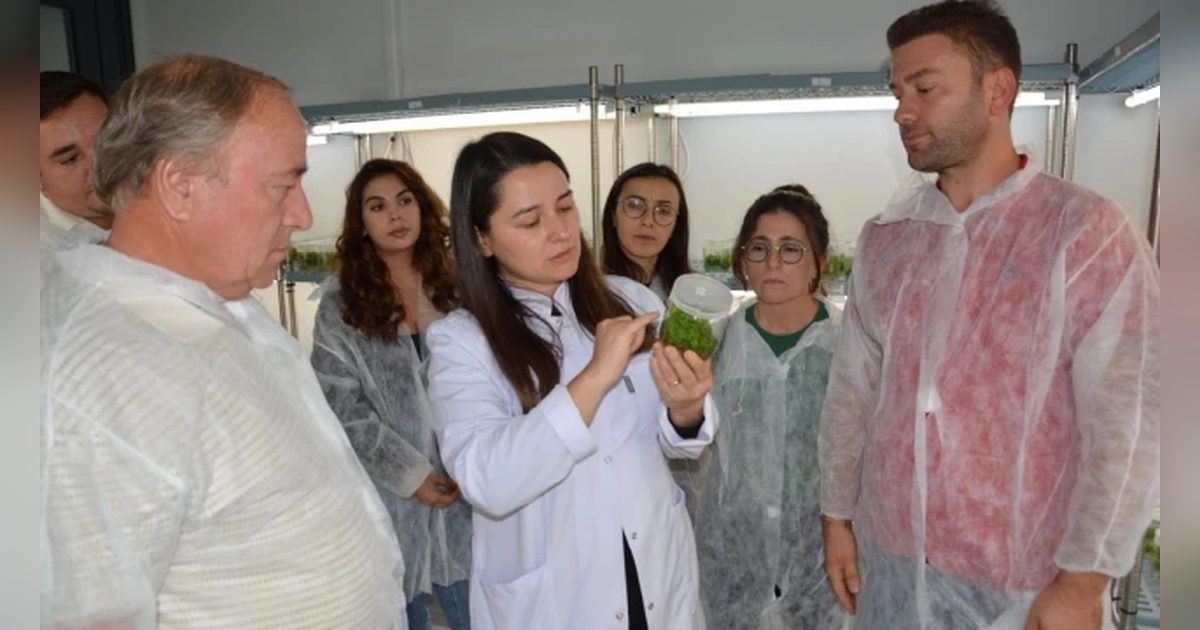
The plant tissue culture method directly increases agricultural productivity based on the principle of propagating cells and tissues in sterile nutrient media under controlled climate conditions. Thanks to this biotechnological approach, fruit and ornamental plants that are difficult to propagate through traditional methods can be mass-produced in a very short time. Tissue culture, whose greatest advantage is providing healthy saplings and seed material completely free from viruses and diseases, also plays a critical strategic role in preserving local genetic resources and in modern plant breeding studies.
| Value | Measure |
|---|---|
| 45 people | Total number of applicants |
| 30 people | Number of female applicants |
| 6 courses | Number of courses held |