


The Soil's Silent Rebellion: Regenerative Agriculture and the Digital Renaissance in the Era of Climate Crisis
· Zeynep Aksoy
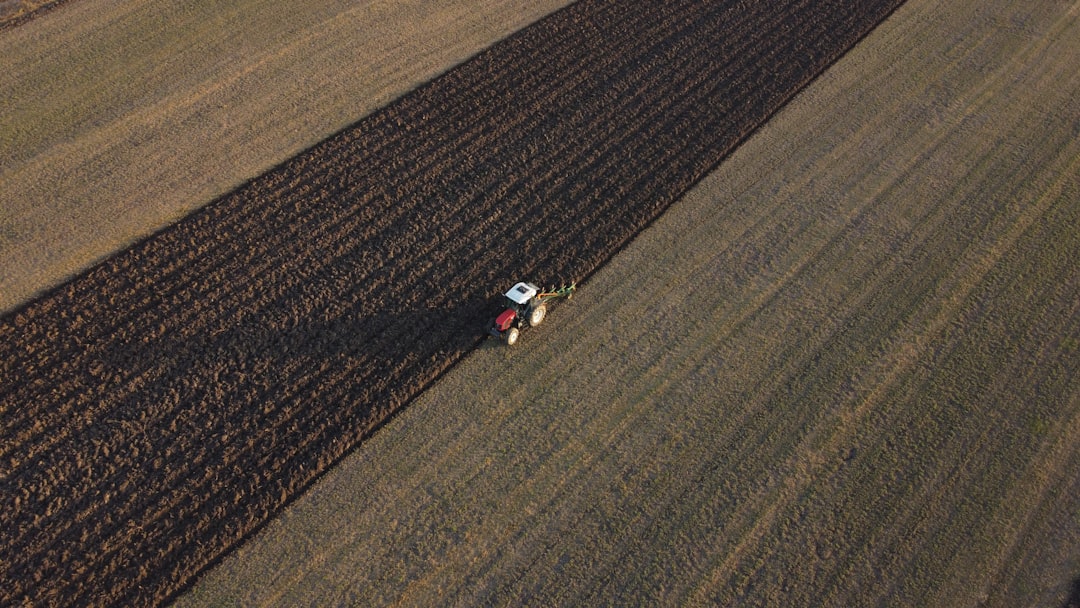
As the devastating impacts of climate change on agricultural productivity deepen, conventional farming practices are giving way to a convergence of artificial intelligence and regenerative techniques. We stand on the verge of rediscovering soil not merely as a production medium, but as a living carbon sink and vital ecological capital.
The ancient proverb of "Mother Earth" was the foundation of the delicate contract between humanity and nature for centuries. However, the aggressive monoculture, excessive chemical usage, and deep tillage practices adopted over the last half-century unilaterally breached this ancient pact. Today, as we look at parched fields and unpredictable weather extremes, what we witness is nothing less than the silent yet resolute rebellion of the soil.
Food security is no longer merely a matter of yield volumes; it has become the most vulnerable fault line in global macroeconomics and geopolitics. United Nations data reveals that a third of the world's arable land is already degraded. In regions considered our agricultural heartlands—especially across the Mediterranean basin—water stress has evolved into a chronic crisis. How, then, can we feed a growing population without exhausting the planet?
The answer, paradoxical as it may seem, lies at the intersection of ancestral wisdom and frontier technology: The Integration of Regenerative Agriculture and Precision AgTech. While regenerative farming aims to minimize soil disturbance, maintain continuous ground cover, and revitalize biodiversity—effectively turning the ground into a massive carbon sink—making this transition scalable and economically viable requires digital transformation.
Today, AI-driven satellite imagery, IoT-based soil moisture sensors, and variable-rate micro-irrigation systems empower farmers to manage lands with microscopic precision without wasting a single drop of water or gram of nutrient. This technological clarity not only slashes input costs by 30 to 40 percent but also opens doors to a new financial ecosystem that connects farming to global carbon credit markets. A producer who sequesters carbon in their soil can now generate revenue not just from the harvest, but from ecological stewardship.
The agriculture of tomorrow will not be forged in chemical storehouses, but in biologically vibrant soils guided by intelligent algorithms. For climate-vulnerable yet agriculturally vital nations, this transition is not a luxury—it is an existential imperative. A digital vision that respects the memory of the soil remains the only true force that will safeguard our tables and economies in an increasingly arid world.