


Wheat Farmers Await Soil Moisture After Rainfall
· TarımTR
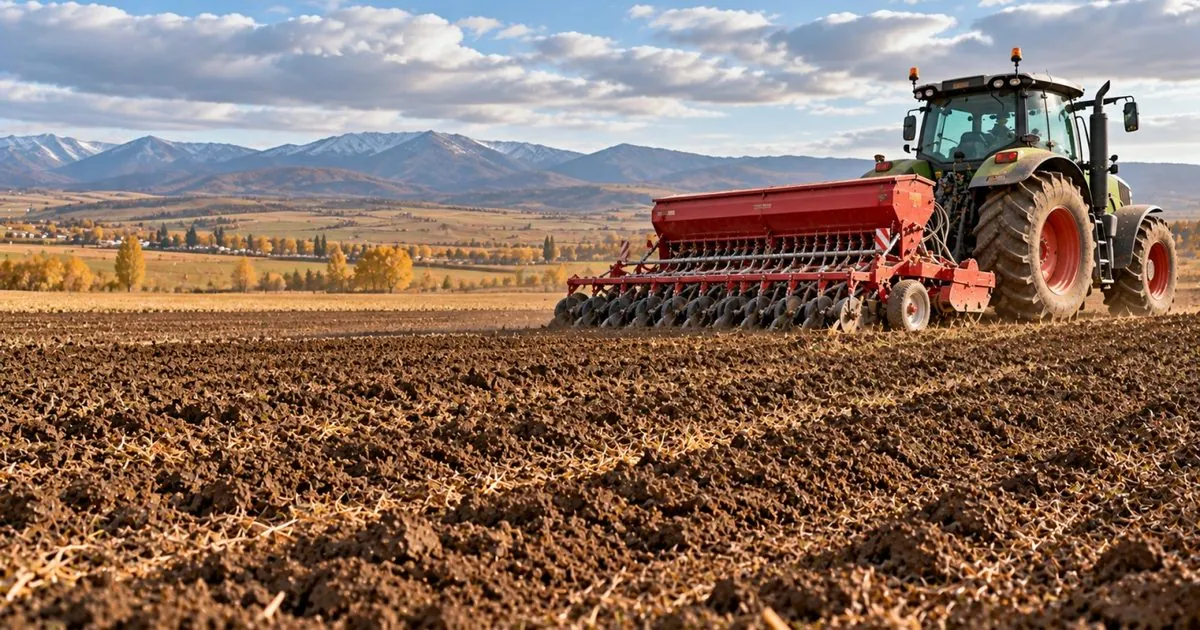
Following autumn rains, clear steps have been outlined for farmers preparing for wheat sowing to prevent yield loss and soil compaction.
Importance of Soil Moisture After Rainfall
Producers wishing to continue wheat sowing after autumn rains must first examine the soil moisture in their fields before entering them. Even if the surface appears dry after the rain stops, the lower layers of the soil can retain a high level of moisture. Farmers are advised to test the moisture level by squeezing soil samples from different points in the field. If the soil becomes muddy or sticky, no operations should be performed. The Union of Chambers of Turkish Agricultural Engineers advises against plowing under excessively moist conditions.
Sowing Calendar in the Central Anatolia Region
As of October 27, 2026, the timing of winter wheat sowing varies depending on regional conditions, altitude, and the chosen seed variety. According to data from the Bolu Provincial Directorate of Agriculture and Forestry, the autumn period between September and November is crucial for sowing in the Central Anatolia Region. Producers need to wait for the land to be workable rather than focusing solely on the calendar. Sowing in overly wet soil can lead to yield losses that are difficult to compensate for.

Heavy Machinery Usage and Risks
Working with heavy tractors and equipment on land with a wet subsoil creates severe compaction and loss of pore space in the lower soil layers. Compacted soil restricts the movement of water and air, directly impacting root development negatively. Furthermore, plowing in moist soil causes the formation of large clods, reducing sowing quality. Additional operations to break these large clods result in extra labor and fuel costs for the farmer.
Seedbed Preparation and Depth
To ensure that wheat seeds emerge uniformly and strongly on the soil surface, the seedbed must be carefully prepared, and the sowing depth must be set correctly. According to the guide from the Trakya Agricultural Research Institute, a sowing depth of 5-6 centimeters is recommended for wheat under normal field conditions. For smaller seeds, this depth is advised to be maintained at 4-5 centimeters. Randomly altering the depth, misled by the soft structure of moist soil, can disrupt the plant emergence pattern.
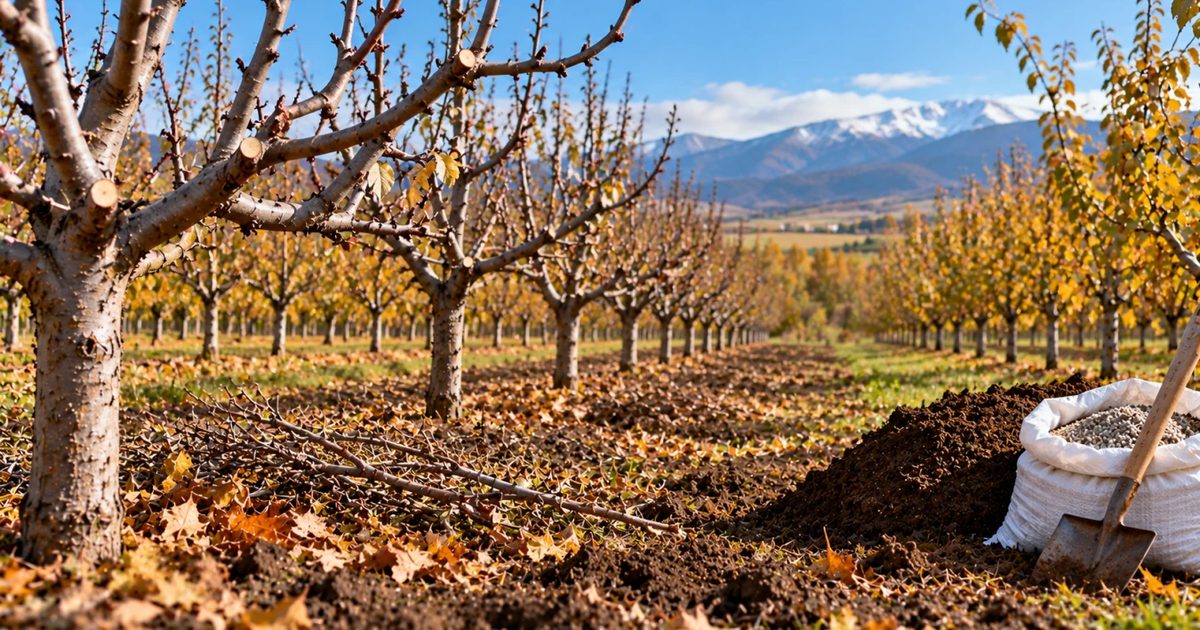
Effect of Soil Temperature on Germination
The germination physiology of wheat seeds is directly linked to soil temperature, and this parameter must be monitored when determining the sowing time. Statements from the Bolu Provincial Directorate of Agriculture and Forestry and the Union of Chambers of Turkish Agricultural Engineers indicate that a soil temperature of 8-10 degrees Celsius in the seedbed is an ideal indicator. Crops sown too early may emerge prematurely and be exposed to frost risk. Late sowings, on the other hand, risk the plants entering winter without sufficient root and leaf development.
Correct Steps for Producers in the Field
It is crucial for producers to remember that the moisture condition in the field may not be the same across all plots and to evaluate their land in sections. Farmers must thoroughly check the seed distribution and depth settings of their sowing machines before going to the field. Additionally, it is recommended that fertilization not be done by rote but applied according to soil analysis results. Wheat seeds sown in workable soil at the right time and appropriate moisture levels make the strongest start against winter conditions and yield risks.
Recommended Sowing Depths by Seed Type
Trakya Agricultural Research Institute
- Minimum sowing depth under normal conditions
- 5 centimeters
- Maximum sowing depth under normal conditions
- 6 centimeters
- Minimum sowing depth for small seeds
- 4 centimeters
- Maximum sowing depth for small seeds
- 5 centimeters