


Cotton Planting Acreage Falls to 275,000 Hectares
· Tarım Pusulası
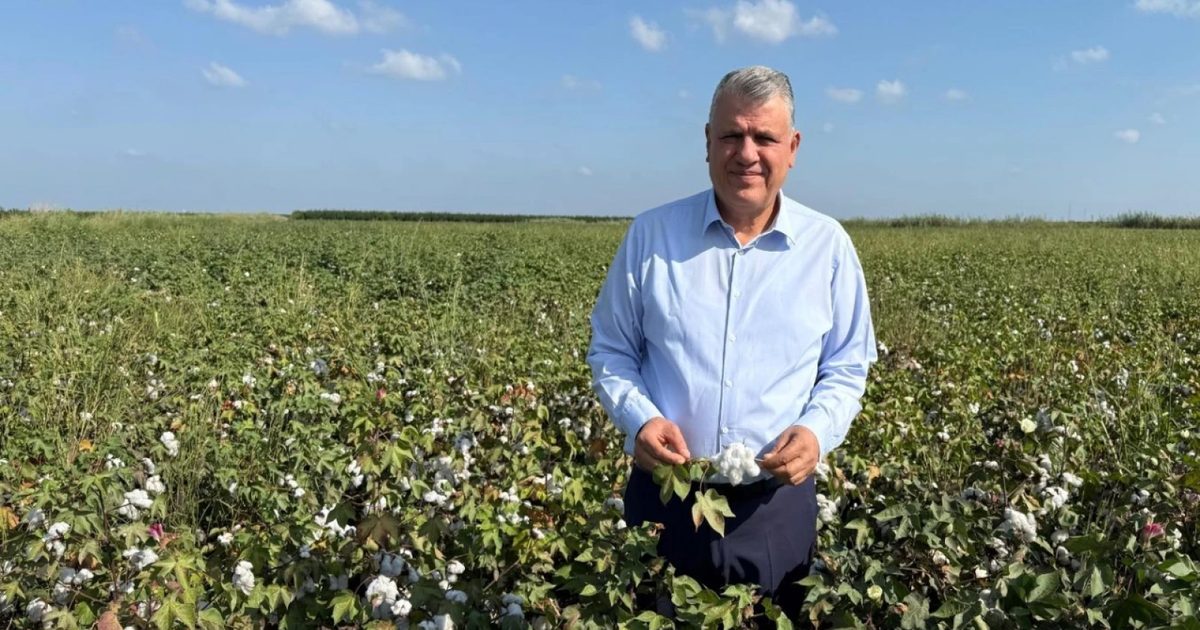
Cotton planting areas in Turkey have seen a sharp decline to 275,000 hectares, with domestic production estimated to fall below 500,000 tons.
Sharp Decline in Cotton Planting Acreage
According to statements by Ayhan Barut, a member of the Grand National Assembly's (TBMM) Agriculture, Forestry, and Rural Affairs Commission, cotton planting areas in Turkey have fallen from 760,000 hectares to 275,000 hectares this season. Due to this sharp contraction, domestic cotton production is expected to remain below 500,000 tons. Barut noted that Turkey imports over 1 million tons of cotton annually, stating that the loss in agricultural production increases foreign dependency and that the current situation places significant pressure on the national economy.
Input Costs Strain Farmers
Emphasizing that the primary reason for producers abandoning cotton cultivation is uncontrollably rising costs, Ayhan Barut stated that expenses for pesticides, seeds, fertilizers, and diesel fuel have reached unsustainable levels. Ayhan Barut, a member of the TBMM's Agriculture, Forestry, and Rural Affairs Commission, assessed the situation with the following words:
'We are sadly bidding farewell to white gold, cotton, because while costs are increasing exponentially, the farmer's product is not profitable, and the farmer is rapidly moving away from production due to mounting debt.'
Stating that prices remain below production costs, Ayhan Barut continued:
'Cotton, the white bride of Çukurova, has unfortunately become the farmer's dark fate.'
Production Planning and Support Call
Reminding that cotton feeds more than 30 sectors, including textiles, ready-to-wear clothing, oil, and feed industries, Ayhan Barut argued that urgent steps must be taken for the future of the sector. Ayhan Barut made the following call for solutions:
'Realistic production planning must be done for cotton, production costs must be reduced, and producers must be given a price guarantee that allows them to receive the value of their labor.'
Barut added that Turkey has a high production capacity and that agricultural policies need to be reorganized to protect farmers, with increased support.