


TDTB Proposes Integrated Agriculture Model with Turkic World
· GıdaTarım
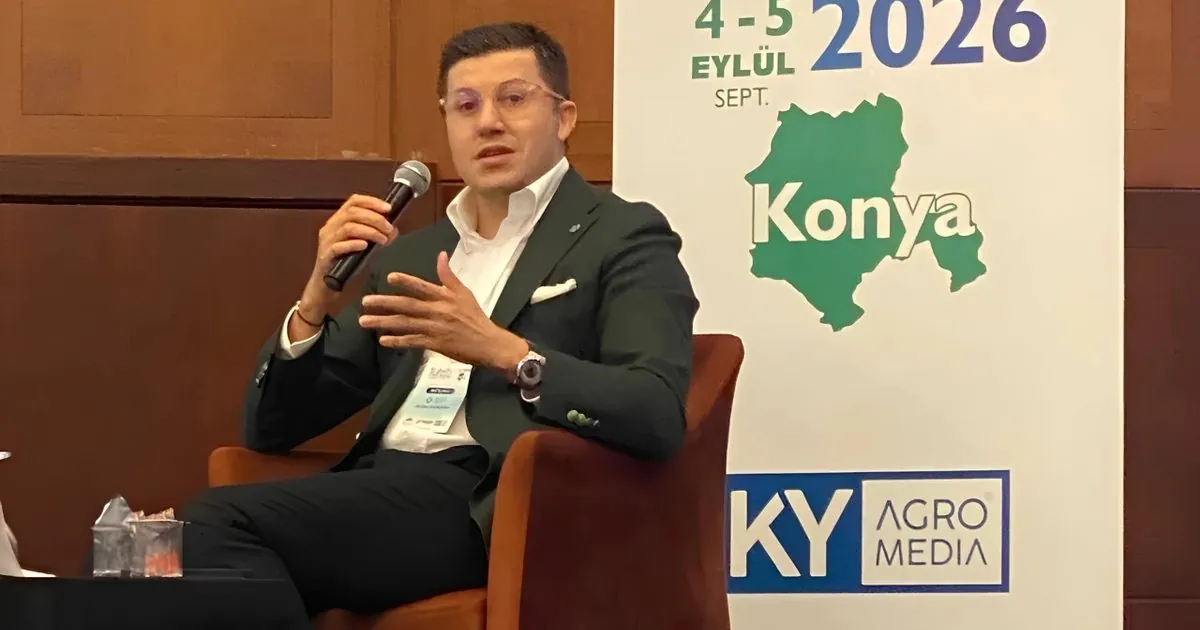
Speaking at the TÜFEX Summit 2026 panel, TDTB Chairman Doğan Başaran emphasized the need to transition to new data-driven scale models to overcome the cost pressure from fragmented agricultural lands and facilitate access to finance.
Turkic World and the Global Agriculture Market
Speaking at the TÜFEX Summit 2026 panel held in Konya on September 4-5, 2026, Turkic World Agriculture Union (TDTB) Chairman Doğan Başaran emphasized that Turkey should not remain solely a producer and exporter. Başaran proposed the establishment of an integrated agricultural economy that can access third markets together with Turkic world countries. Doğan Başaran noted that the Middle Corridor and Zangezur connection, in particular, create strategic trade corridors, and that regional collaborations can facilitate the much faster transfer of agricultural added value to international markets.
Data and Performance-Oriented Financing in Agriculture
Indicating that merely increasing production volume is insufficient in the agricultural sector, TDTB Chairman Doğan Başaran called for better risk management and easier access to finance. Başaran stated that future agricultural enterprises must transform into structures that manage data, measure production, and utilize digital technologies, advocating for farmers to be viewed not just as individuals taking out loans, but as business managers. Başaran also stressed the urgent need to transition from the current collateral-centric structure in agricultural financing to a new data and performance-centric model.
New Scale Models to Break Fragmented Structures
Doğan Başaran stated that despite Turkey's rich production culture and strong food industry, the biggest structural problem is scale, explaining that fragmented lands drive up costs. The Turkic World Agriculture Union (TDTB) Chairman Doğan Başaran made the following assessment, noting that reducing cost pressure in machinery, storage, cold chain, and digital investments is possible with collective structures:
'Common machinery parks, producer organizations, cooperatives, contract farming, agriculture-based specialized organized industrial zones, and professional agricultural enterprises are not just production models. They are also scale models that facilitate financing.'
Başaran added that common machinery parks and producer organizations will increase the sector's competitiveness by scaling up professional management.