


Health Scandal Erupts Over Fattening Cattle Imported from Uruguay
· Google Haberler
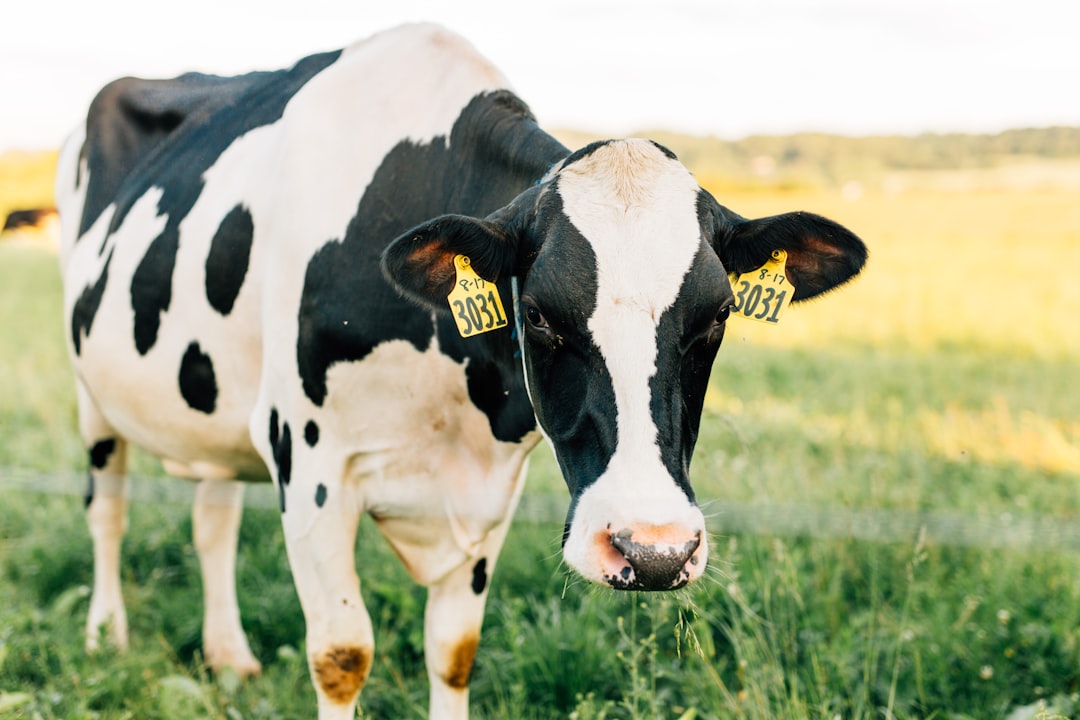
Negative images and health problems emerged during the delivery of fattening cattle imported from Uruguay by the Meat and Milk Board (ESK), leaving livestock breeders facing additional treatment costs.
Serious Health Problems in Imported Animals
Significant problems were encountered during the delivery of fattening cattle imported from Uruguay by the Meat and Milk Board (ESK) to close Turkey's red meat deficit and support production. Footage recorded by producers showed some of the shipped animals covered in heavy feces and struggling even to stand. Livestock breeders who received animals with health and leg problems reported that they were directly faced with treatment and care issues in a process they entered for the purpose of meat yield.
Millions of Views Record on Social Media
As the recordings from the breeders were shared, the incident quickly created a wave of great interaction in public opinion. According to Tarimdan Haber, the post on the X platform reached 1 million views, with 558 reposts and approximately 1,800 likes. On Instagram, the video achieved 304,500 views and reached 225,371 different accounts. The fact that 86.6% of viewers were non-followers indicated that the issue was being followed by a wide audience.
Heavy Financial Burden Faced by Breeders
The delivery vulnerability in live animal imports imposed a very heavy economic bill on producers who were preparing to start fattening, right from the first day. Breeders, who had to struggle with the health problems of the animals they received, faced unplanned veterinary and medication expenses. In addition to the violation of animal welfare, the import policy, which aims to reduce red meat costs, has created a new economic risk and loss for breeders, causing concern in the sector.
Unanswered Questions About Inspection Processes
Following the scandalous images that emerged, public attention turned to the officials of the Ministry of Agriculture and Forestry and the Meat and Milk Board. A comprehensive statement has not yet been made regarding the arrival conditions of the animals at the port, the adequacy of health checks conducted upon entry into Turkey and before delivery. Producers are eagerly awaiting to know whether the number of problematic animals has been identified, whether their damages will be compensated, and how the disruptions in the import chain will be resolved.