


The Geopolitics of Nitrogen and Agflation 2.0: The New Balance of Power in Global Agriculture
· Dr. Tarık Yılmaz
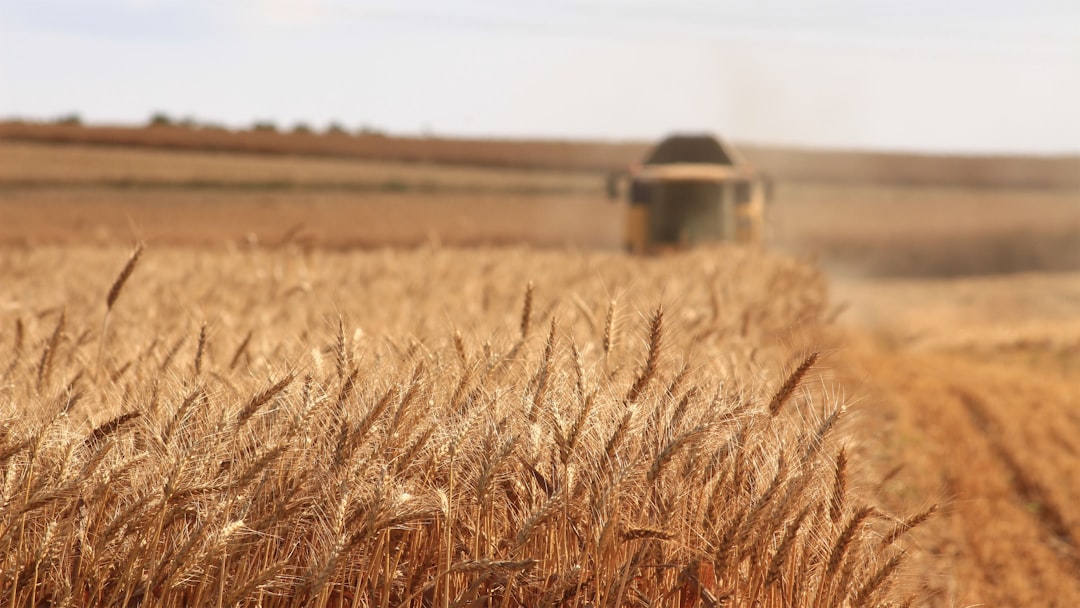
Global agricultural markets are under intense pressure not only from climate disruption, but also from the profound geopolitical fracture at the intersection of fossil fuels and fertilizer supply chains. The chronic dependence of conventional farming on petrochemicals is driving food security to the core of national defense strategies while igniting a structural wave of Agflation 2.0.
When Fritz Haber and Carl Bosch captured atmospheric nitrogen and converted it into synthetic fertilizer at the turn of the twentieth century, they did not merely orchestrate a chemical revolution capable of sustaining billions; they permanently sealed the fate of modern agriculture to fossil fuel markets. Today, at the crossroads of global macroeconomics and commodity exchanges, we are witnessing this century-old bond morph into both a geopolitical weapon and a chronic driver of inflation.
The volatility observed across the Chicago Board of Trade (CBOT) and Euronext futures can no longer be explained solely through harvest estimates or seasonal drought reports. Every upward surge in natural gas prices directly compresses the operating margins of ammonia and urea plants. In a world where more than 70 percent of global ammonia synthesis relies directly on hydrocarbons, an energy shock is inherently the harbinger of a food crisis. Strategic export quotas imposed by key nutrient suppliers—most notably Russia, China, and the Gulf States—have propelled the concept of 'nitrogen geopolitics' to the forefront of international diplomacy.
This paradigm ruthlessly exposes the structural limits of orthodox monetary policy. The demand-side cooling engineered by central bank interest rate hikes remains largely impotent against the inelasticity of farm-level input costs. Compounded increases in seed, fertilizer, freight, and agricultural diesel are feeding what we must now define as 'Agflation 2.0'—a structural, sticky, and supply-side wave of food inflation. As the spread between producer price indexes and consumer food baskets tightens, developing nations constrained by agricultural capital deficits constitute the most vulnerable link in the chain.
What, then, is the blueprint for navigating this impasse? It is evident that short-term subsidies and panic-driven food protectionism only exacerbate systemic misallocations. We must urgently redefine 'soil sovereignty' beyond territorial security to encompass green ammonia synthesis, precision agricultural technologies, and regenerative soil economics. Economies that fail to synchronize their energy transition with their ag-input transformation will remain fundamentally exposed not just to commodity price shocks, but to severe socioeconomic turbulence over the coming quarter-century.