


Digitalization and Rural Solitude: Hopes Sprouting from Data
· Doç. Dr. Ayşe Gündüz
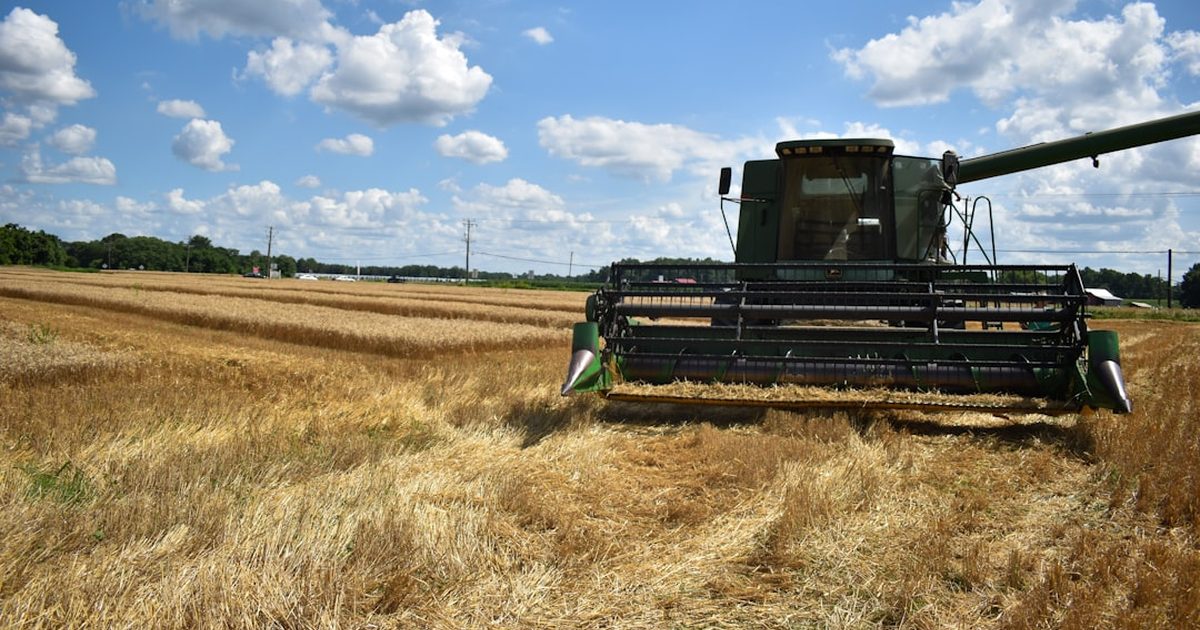
A paradox of the modern age: the distance between rural areas and digital transformation, and the solitude this distance creates. This article explores how digitalization can be a lever for rural development and farmer welfare, the opportunities offered by data-driven agriculture, and the critical role of cooperativism in this process.
As cities rapidly equip themselves with the blessings of digitalization, and a technological whirlwind from Industry 4.0 to artificial intelligence reshapes our lives, where does our rural sector stand? As our farmers grapple with their land, their animals, and the harsh conditions of the seasons, where can they find their place in this digital revolution? Today, I want to address this 'digital solitude' and the hopes that can be nurtured with data.
However, these rapid winds of transformation, unfortunately, do not reach every corner of the rural areas at the same speed. Infrastructure deficiencies, high costs, difficulties in accessing information, and generational gaps effectively confine our rural producers to an island of information and technology. This solitude is not only economic but also has social and psychological dimensions. Being isolated from modern market dynamics, innovative agricultural techniques, and even the experiences of other producers can weaken our farmers' decision-making processes and diminish their motivation. In a data-driven era, this disconnect in data access becomes one of the biggest obstacles to rural development.
So, is it possible to turn this 'digital solitude' of rural areas into an advantage? Absolutely yes! Digitalization, when implemented with the right strategies, can be a magic wand that multiplies the bounty of rural areas and increases farmer welfare. Instantly monitoring humidity, temperature, and soil nutrient values with smart sensors, tracking plant health with satellite imagery, optimizing spraying and fertilization with drones... These are no longer dreams but cornerstones of a new, sustainable agricultural model that enhances efficiency, reduces input costs, and is environmentally sensitive, all becoming reality through precision farming applications. Blockchain technologies, ensuring product traceability, allow farmers to market their produce at fair prices and transparently, while e-commerce platforms open doors for direct consumer access without intermediaries.
At this point, cooperativism and effective public policies assume a vital bridging role. Digital tools and training that small-scale farmers cannot access alone can be made available through cooperatives via collective purchasing and shared use models. Cooperatives can also accelerate their members' adaptation to the digitalization process by organizing digital literacy training, providing guidance on data analysis, and establishing joint e-commerce platforms. The state, on the other hand, must strengthen rural infrastructure (broadband internet access), offer incentives for digitalization investments, and support training programs that will popularize the use of these technologies.
Digitalization has the potential to transform not only our farmers' pockets but also their quality of life. More efficient production with less physical labor, reduced market risks, easy access to information, and even new socialization and learning platforms for rural residents... All these are factors that directly affect farmer welfare. Data, when correctly read and interpreted, is like a new language that tells the story of the soil, whispering the harvest of the future. Our farmers who learn to speak this language will not only secure their own futures but also place our country's food security on more solid foundations.
Let's not forget that technology is a tool; the goal is to elevate humanity, the soil, and abundance. Overcoming the digital solitude of rural areas and transforming hopes nurtured by data into reality is possible with a shared vision and collaboration. The agriculture of the future will not only be digital but also inclusive, fair, and sustainable. In this transformation, holding our farmers' hands and listening to their voices is our shared responsibility.