


Vatican and Italy Launch 100 Million Euro Agricultural Solar Initiative
· NTV Ekonomi
Italy and the Vatican are establishing a massive 90-megawatt agrivoltaic facility on 200 hectares of agricultural land near Rome, with an investment of 100 million euros.
Joint Project by the Vatican and Italy
Italy and the Vatican City State are preparing to build a massive agricultural solar power plant worth 100 million euros (approximately 117 million dollars) to meet energy needs and support agricultural production. According to sources participating in bilateral meetings, the construction of the facility, which will be located on the Santa Maria di Galeria site on the northwestern outskirts of Rome, will take between 18 and 24 months. The planned installed capacity of the plant is between 80 and 90 megawatts, and upon completion, it will become one of the largest agricultural energy sites in Italy.
Technology Combining Agriculture and Energy
In the agrivoltaic system to be implemented, solar panels will be mounted several meters above the ground, allowing for uninterrupted crop production underneath. According to technical assessments by the sources, the shade created by these panels will significantly reduce soil evaporation and protect crops from extreme weather conditions. Thus, high-yield clean energy will be produced without sacrificing agricultural land, and crop productivity can be maintained under changing climate conditions. This model sets an international standard for modern agricultural technologies and land efficiency.
Land Use and Surplus Energy
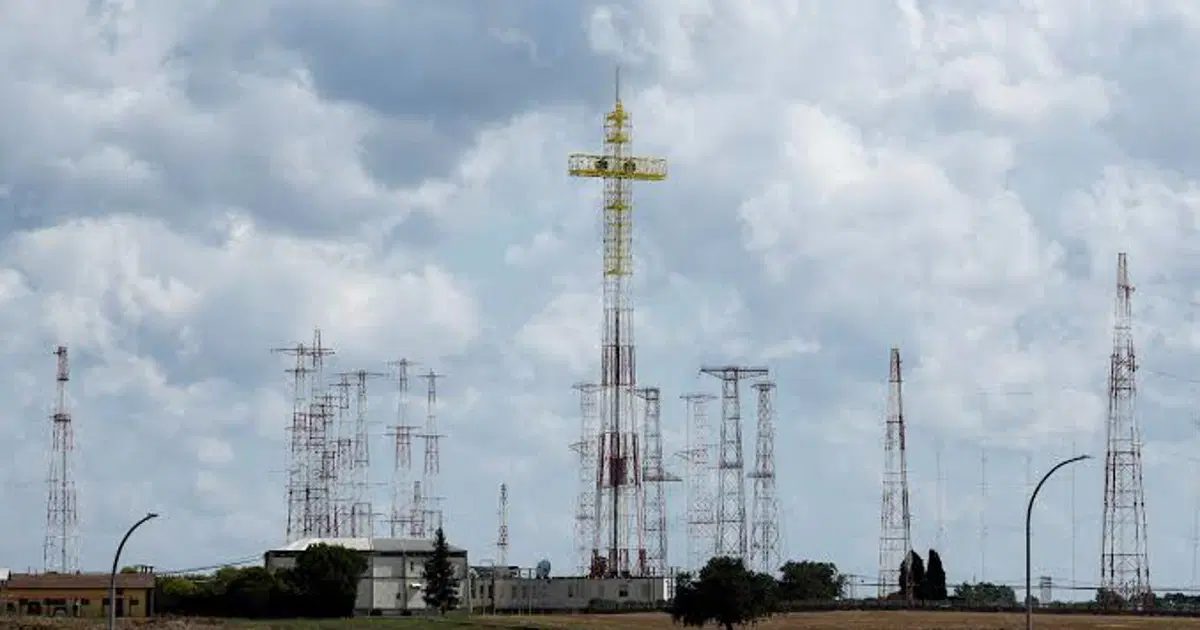
The solar tracking panels will cover approximately 200 hectares of the 450-hectare Santa Maria di Galeria area, which hosts the Vatican Radio facilities. The plant, which will meet the entire energy requirement of the Vatican, home to fewer than 900 residents on 108 acres, will also supply electricity to institutions such as the Bambino Gesù hospital in Rome. Surplus electricity generated by the facility will be directly transferred to the Italian national grid. This environmental initiative, whose foundations were laid during the era of the late Pope Francis, has been officially approved by Pope Leo XIV.
Legal Framework and Future Tenders
Under the agreement between Italy and the Vatican, the project is granted full exemption from Italian taxes and public fees, with no additional burden on public finances. Although the Vatican cannot directly benefit from incentives in Italy, the tax exemption will maintain the project's cost balance. With tender processes expected to open in the coming weeks, the project represents the most significant step since the 2,400-panel system installed in the Nervi Hall during Pope Benedict XVI's pontificate in 2008. The plant is targeted to be fully operational after a two-year construction period.