


Disease-Resistant Narince Grapevine Varieties Developed in Tokat
· Tarım TV
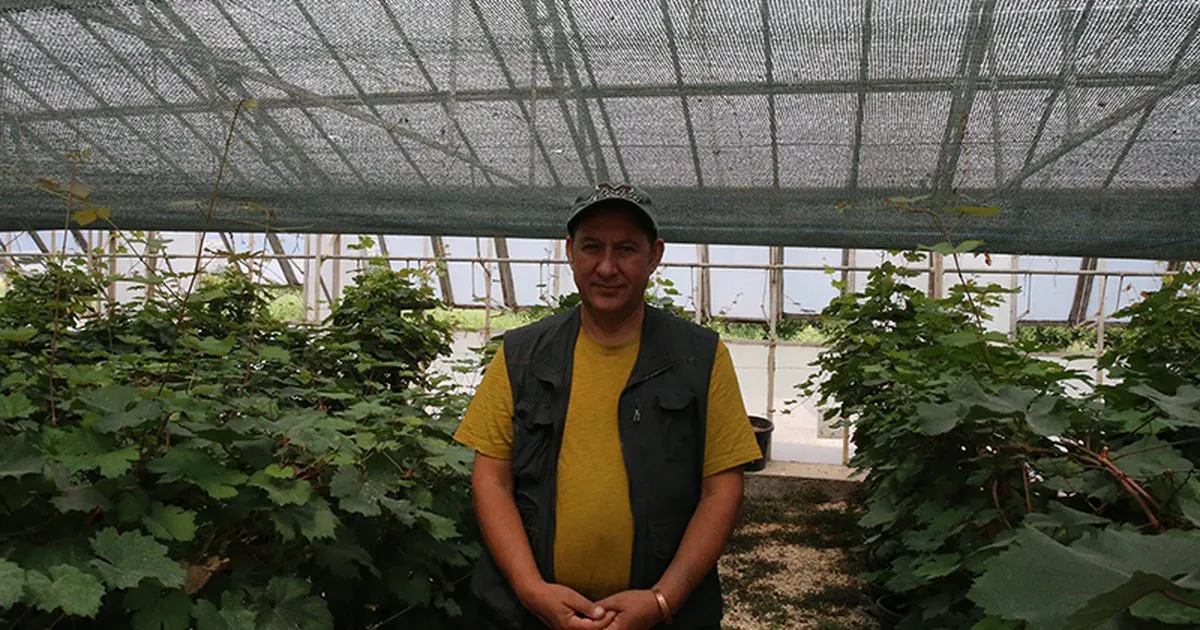
Tokat Gaziosmanpaşa University is aiming to reduce chemical residue risks and pesticide costs by developing new genotypes of Narince grapevine leaves resistant to powdery mildew and downy mildew diseases.
Tokat Gaziosmanpaşa University (TOGÜ) Agricultural Application and Research Center is conducting comprehensive breeding studies to develop disease-resistant varieties of Narince grapevine leaves, known for their delicate structure and sour taste. Academic research initiated in the 1990s for Narince, one of the most preferred varieties in Turkey for pickled leaf production, gained momentum from 2008 onwards with the goal of obtaining higher quality, high-yield, and residue-free products.
Stating that grapevine leaves play a critical role in Tokat's economy, TOGÜ Agricultural Application and Research Center Director Prof. Dr. Adem Yağcı noted:
Prof. Dr. Adem Yağcı warned about the risks associated with chemical use in disease management:
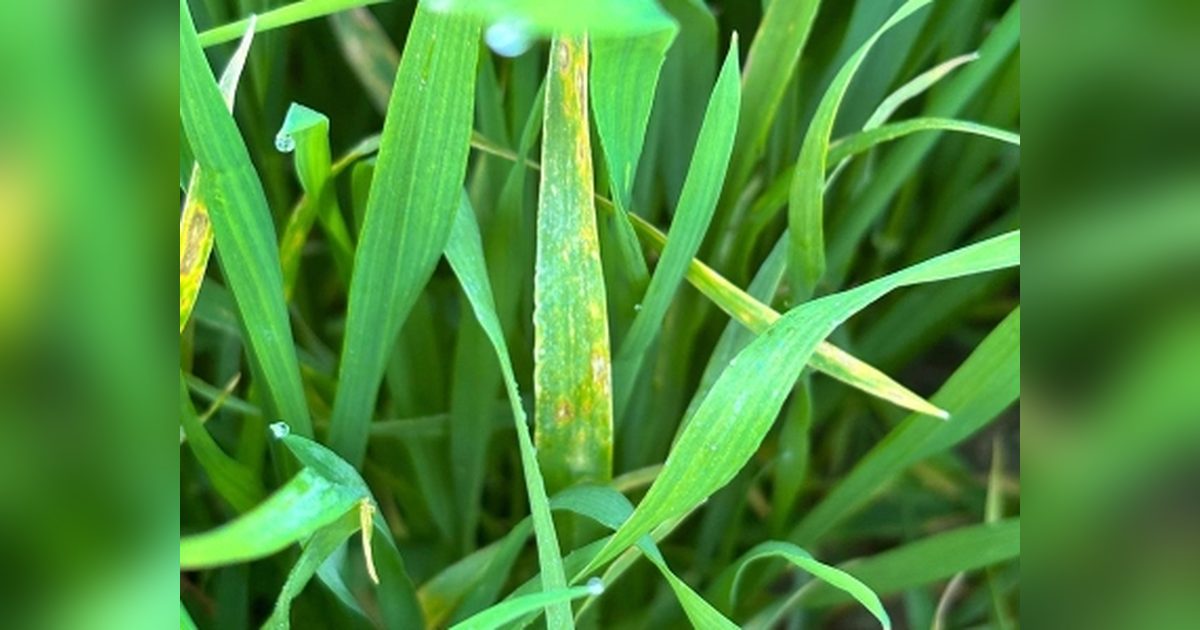
Prof. Dr. Adem Yağcı explained the process, stating that in the breeding program initiated in 2019, the Narince grape was used as the mother plant, and two disease-resistant varieties were used as fathers:
Stating that the breeding program has reached its seventh year, Prof. Dr. Adem Yağcı concluded his remarks:
Upon completion of the project, a significant reduction in chemical control costs in Tokat's viticulture is expected.
Narince Grape Breeding Program and Spraying Indicators
Source: TOGÜ Tarımsal Uygulama ve Araştırma Merkezi, Prof. Dr. Adem Yağcı
- Number of Plants Entering Sensory and Durability Tests
- 900 Units
- Number of Genotypes Selected According to Breeding Goals
- 13 Units
- Number of Powdery Mildew Sprays Applied Annually in Vineyards
- 4 Units