


Research: Whole Grain Consumption May Support Heart Health
· ScienceDaily Beslenme
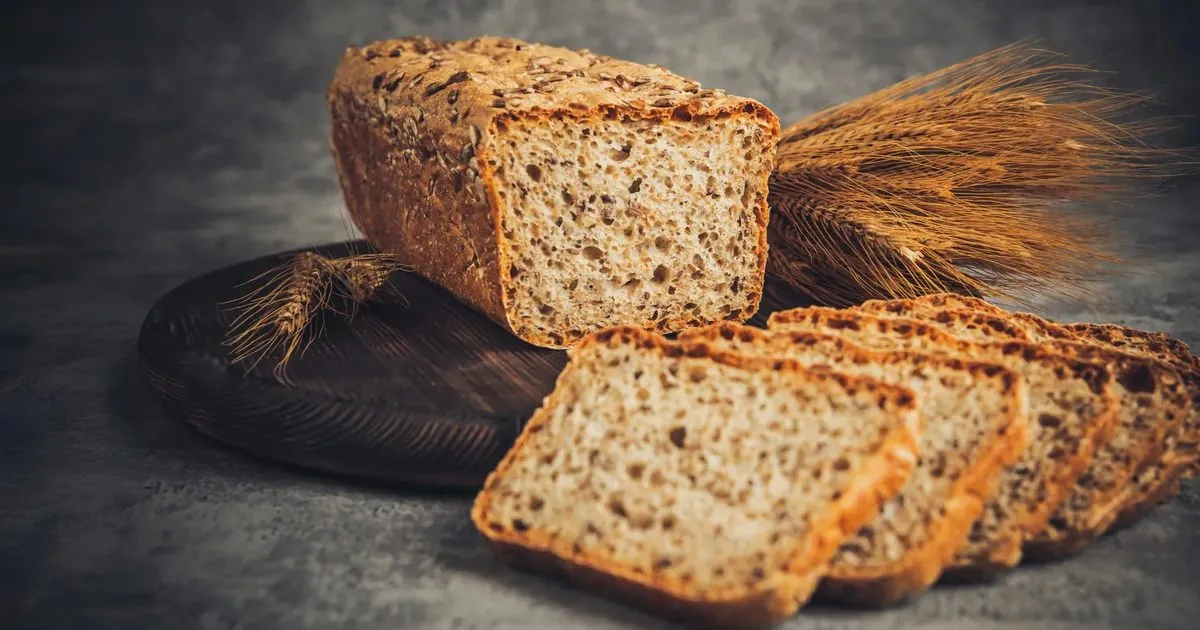
A meta-analysis of 87 clinical trials published in the European Heart Journal revealed that consuming 60 to 100 grams of whole grains daily could be effective in reducing cardiovascular risk factors.
Comprehensive Clinical Trial Analysis Published
A comprehensive systematic review and meta-analysis study, announced by the European Society of Cardiology and published in the European Heart Journal on September 15, examined the effects of whole grain consumption on cardiovascular risk factors. The research, led by Dr. Helda Tutunchi from Tabriz University of Medical Sciences, brought together data from 87 randomized clinical trials evaluating the impact of whole grains on human health. The study revealed that incorporating more whole grains into the daily diet is associated with improvements in key health indicators such as body weight, blood pressure, cholesterol, and blood sugar.
Participant Profile and Data Examined
The published meta-analysis includes data from a total of 6,529 participants from clinical studies conducted in Asia, Europe, the United States, Canada, Australia, and Brazil. The data examined in the research indicates that individuals who consume more whole grains tend to have lower body weight, narrower waist circumference, and lower blood pressure. Researchers found that regular whole grain consumption in the diet is linked to reductions in total cholesterol, low-density lipoprotein (LDL) cholesterol, blood triglycerides, glucose, and interleukin-6, an inflammation marker.
Daily Consumption Amounts Providing Benefits
According to the research findings, positive effects begin to be observed in individuals consuming 30 to 40 grams of whole grains per day by dry weight. However, the study observed the strongest effects in the consumption range of 60 to 100 grams per day. This amount corresponds to approximately 4 to 6 servings of whole grains daily. This quantity can be met through daily dietary practices such as a bowl of oatmeal, a sandwich made with whole grain bread, and a serving of brown rice. The analysis shows that the highest cardiometabolic benefit is concentrated at this consumption threshold.
Positive Changes in Cardiovascular Risk Markers
Dr. Helda Tutunchi, a researcher at Tabriz University of Medical Sciences and leader of the research team, explained the study's main objective and the importance of clinical trials with the following words:
'While higher whole grain intake has long been associated with better heart health in population-based studies, clinical trials had yielded mixed findings. This left unanswered the important and practical question of how much whole grain people need to eat to significantly improve their cardiovascular health. To address this, we systematically pooled and analyzed all available randomized controlled trials to determine the amount of whole grain associated with the greatest benefits.'
Scope of the Research and Identified Limitations
Evaluating the certainty of the findings and the limitations of the research, Dr. Helda Tutunchi, a researcher at Tabriz University of Medical Sciences, made the following assessment:
'This is the largest and most comprehensive meta-analysis of randomized controlled trials on whole grain intake and cardiovascular risk factors. Unlike previous reviews, we specifically looked at exactly how much whole grain people need to eat to achieve the greatest benefits. We also assessed the certainty of the evidence and found high certainty evidence for improvements in several outcomes, including body weight, waist circumference, and total cholesterol. However, most of the trials we included were of relatively short duration, averaging about eight weeks. As a result, we cannot determine if these benefits are maintained in the long term. Additionally, there were very few studies evaluating very high whole grain intakes, above 140 grams per day, so the effects at these intake levels remain uncertain. Our findings provide a practical indicator of the amount of whole grain that may be needed to achieve significant improvements in cardiovascular risk factors. Increasing whole grain consumption is a relatively simple, accessible, and cost-effective dietary strategy that can complement other lifestyle and medical interventions. We found that the greatest benefits occurred at intakes of around 60 to 100 grams per day, towards the upper end of current dietary recommendations. These findings do not necessitate major changes to current guidelines but support public health strategies that help people increase their whole grain intake and approach the upper end of current targets. A key finding is that whole grains may benefit cardiovascular health through multiple modest improvements that work together, rather than having a large effect on a single risk factor. We observed improvements across multiple pathways, including blood lipids, blood pressure, glucose regulation, body fat, and some inflammatory markers. While the change in each risk factor is generally modest, improving multiple risk factors simultaneously may contribute to a greater reduction in long-term cardiovascular risk. However, longer-term studies are needed to confirm this, as the included trials did not directly assess cardiovascular events.'
Biological Structure of Whole Grains and Dietary Guidelines
In an accompanying editorial, Dr. Cecilie Kyrø, a researcher at the Danish Cancer Institute, highlighted the importance of food components and nutrition policies, stating:
'More than half a century ago, Sir Denis Burkitt and colleagues proposed that the refinement of staple carbohydrates and the concomitant removal of cereal fiber (i.e., the shift from whole grain to refined grain) underpinned a wide range of 'Western' diseases through their effects on stool bulk, transit time, and the colonic environment. Whole grains refer to cereal grains that are whole, ground, or flaked, provided that the three main parts (bran, germ, and endosperm) are retained in the same proportions as in the intact kernel, to be used in bread and other foods. A meta-analysis of trials examining the effect of whole grains on cardiometabolic risk markers by Naghshi and colleagues was published in this issue of the European Heart Journal, covering 87 trials with a total of 6529 study participants. The meta-analysis shows high certainty evidence for reductions in body weight, waist circumference, total cholesterol, and interleukin-6 (IL-6); and moderate certainty evidence for improvements in LDL cholesterol, triglycerides, systolic blood pressure, fasting plasma glucose, and insulin resistance (HOMA-IR). Importantly, the meta-analysis includes dose-response analyses that address the variation in whole grain intake across trials and provide quantitative evidence to inform food-based dietary guidelines. Overall, an intake of 60–100 g dry weight per day (approximately 4–6 servings) was found to be clearly associated with relevant cardiometabolic improvements. For clinicians, the message from Naghshi and colleagues is reassuringly simple: encouraging patients to replace refined grain foods with minimally processed whole grains is likely to yield modest but meaningful improvements in body weight, waist circumference, and blood lipids, particularly in individuals with type 2 diabetes. At a population level, even small changes in these markers could lead to significant reductions in cardiometabolic events. The addition of evidence from research on other disease endpoints suggests that the beneficial effects of whole grain foods extend well beyond cardiometabolic diseases. The dose-response analyses by Naghshi and colleagues suggest that an intake of approximately 60–100 g of whole grains per day (about 4–6 servings) may be needed to achieve measurable cardiometabolic benefits. Current US dietary guidelines recommend 2–4 servings of whole grains per day within a general framework that emphasizes 'real food' and reduces the intake of ultra-processed products. While this is an important step in the right direction, the trial evidence suggests that a higher whole grain intake than currently recommended in some guidelines may be optimal for cardiometabolic health. From a policy perspective, the challenge is to make minimally processed whole grain staple foods accessible, affordable, and culturally acceptable, while avoiding a shift towards ultra-processed products that merely add whole grains to otherwise highly processed formulations. '
Overall Health Implications and Future Outlook
Researchers remind that most clinical studies measure biological risk factors rather than direct events like heart attacks or strokes. The benefit provided by whole grains is thought to stem from a combination of modest improvements in blood lipids, blood pressure, glucose regulation, and inflammation markers, rather than a large change in a single indicator. While opting for minimally processed whole grain products instead of refined grains is stated to support cardiovascular health, more extensive studies are needed to determine the definitive long-term outcomes of these effects.
| Value | Period | Measure |
|---|---|---|
| 87 units | 2026 | Number of clinical trials examined |
| 6529 people | 2026 | Total number of study participants |
| 30-40 grams/day | 2026 | Daily dry weight amount at which benefits begin |
| 60-100 grams/day | 2026 | Daily consumption at which the most pronounced effect is observed |
| 4-6 portions | 2026 | Daily portion providing the highest benefit |
| 8 weeks | 2026 | Average follow-up period of the studies |
| 140 grams/day | 2026 | Very high consumption threshold at which the effect remains unclear |
| 2-4 portions | 2026 | Current US dietary guideline portion recommendation |