


Moldovan Farmers Prepare to Protest Against Ukrainian Grain Imports
· Tarım Pusulası
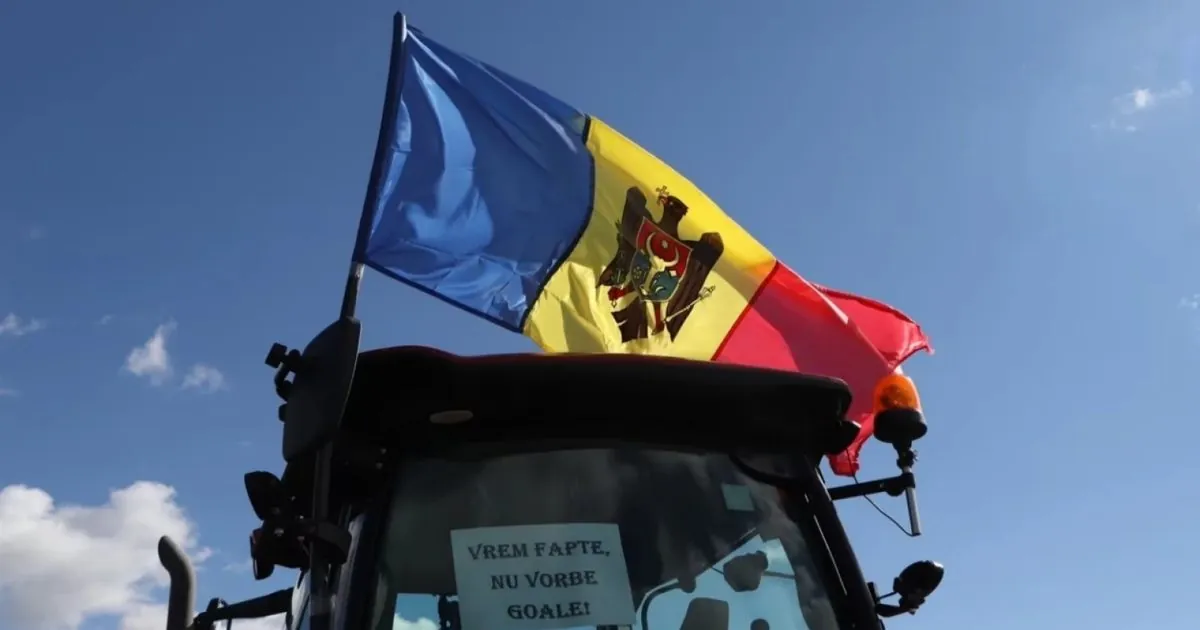
Moldovan farmers will take to the streets with tractors on October 29-30 if parliament does not extend the import licensing rule for Ukrainian grain.
Critical Deadline Looms for Import License
The Moldovan government supported the licensing requirement for imports of grain and oilseeds of Ukrainian origin on August 26, planning to extend the process until October 31, 2026. However, as the current mechanism does not allow for automatic extension, parliament needs to approve a new legal regulation for the existing legislation to continue uninterrupted. Moldovan farmer organizations, citing disruptions in Black Sea logistics that force Ukrainian producers to sell their products below cost, emphasize that even the slightest legal interruption in the licensing application would destabilize domestic market balances and purchase prices.

Large-Scale Action Plan with Tractors
The parliament's failure to approve the extension of import restrictions has mobilized producers across the country. Moldovan farmer unions have announced that they will organize street protests nationwide on October 29-30 if the import licensing requirement is not continued. According to the plan by farmer unions, agricultural machinery and tractors are expected to participate heavily in demonstrations to be held in designated areas and at specific times. Producers state that the uncontrolled flow of products from across the border will rapidly drive down domestic grain and oilseed prices in the internal market.
Fuel Tax and Support Demands
The country's three major agricultural organizations have declared that actions will be inevitable if the government does not implement steps to protect producers by October 30. The farmers' demands are not limited to licensing protection in cross-border trade. Expressing that production costs are rapidly increasing, producer representatives are requesting a review of excise tax regulations on diesel fuel used in agriculture. Farmers also expect direct income and financial support payments to the sector to ensure the sustainability of production activities and alleviate cost pressures.