


Young Entrepreneurs Return to Rural Areas with Smart Farming Technologies
· TarımTR
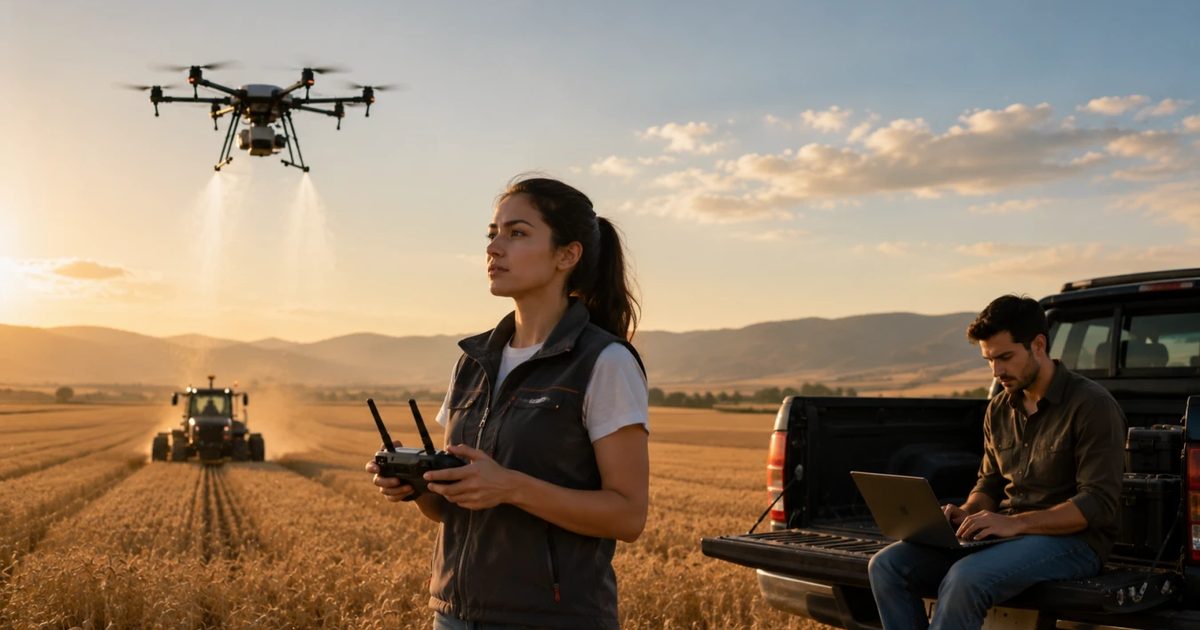
As the average age of farmers in Turkey rises, artificial intelligence, UCAVs, and satellite-supported systems entering the fields are reigniting the interest of Generation Z in agricultural production.
Youthfulization and Technological Transformation in Rural Areas
While the average age of the farming population continues to rise across Turkey, the agricultural sector is undergoing a comprehensive, technology-focused transformation. Agricultural activities, long associated solely with heavy physical labor and challenging working conditions, are now evolving into an innovative field that captures the attention of Generation Z. The use of satellite analyses, sensor data, and digital management systems in the fields is fundamentally changing the traditional perspective of young people towards the sector. Decision-making processes in modern enterprises being conducted through software is rapidly increasing the interest of young producers in the agricultural ecosystem.
UCAV and Drone Operation is Becoming Widespread
Unmanned Aerial Vehicles for Agriculture (UCAVs) are rapidly becoming widespread in Turkish agricultural enterprises, emerging as a key symbol of the new generation of farming. Young entrepreneurs and operators are extensively using this technology in critical processes such as targeted application of crop protection products, fertilization, and field mapping. Monitoring plant growth from the air and conducting rapid yield analyses reduce input costs while significantly increasing productivity. This operational transformation, which goes beyond traditional tractor use, opens up an attractive employment avenue for the young population closely following technology.
New Professions Born with Smart Farming
The digital transformation in agricultural production processes is completely reshaping the profile of human resources needed in rural areas. Modern agricultural enterprises now demand not only classic labor but also precision agriculture specialists, software developers, drone pilots, and robotic system technicians. The need for technical personnel who analyze data from soil and climate sensors and manage smart greenhouse automation is rapidly increasing. According to TarımTR data, the fuel savings of up to 20% achievable in tractors using smart screens and GPS-guided steering systems reinforces the need for technological equipment in the field.
Public Supports and Financing Opportunities
In addition to technological innovations, financial incentives provided by public institutions play a decisive role in directing young people towards agricultural investments. Mechanisms such as the Expert Hands Project coordinated by the Ministry of Agriculture and Forestry and the Rural Development Investment Support Program (KKYDP) offer capital support to young entrepreneurs. Furthermore, IPARD projects implemented by the Agricultural and Rural Development Support Institution (TKDK), along with low-interest subsidized loans from Ziraat Bank and Agricultural Credit Cooperatives, provide a critical foundation for financing modern machinery and smart greenhouse investments.
Engineering and Informatics Meet Agriculture
Digital agriculture applications are not limiting the sector's scope of work to traditional farmers but are also opening it up to experts from various disciplines. Computer engineers, software developers, mechatronics specialists, and electronics engineers are producing technological solutions to productivity issues in the fields. Artificial intelligence-based disease detection algorithms and automated irrigation software directly increase the production quality in the fields. The convergence of different disciplines under the umbrella of agriculture significantly accelerates the evolution of Turkey's agricultural production structure towards a value-added, technology-based model.
Rural Employment and Future Expectations
The widespread adoption of technology in agriculture and the return of young people to the field directly contribute to the strengthening of the socio-economic structure in rural regions. The increase in educated and technology-savvy producers enables more efficient use of agricultural resources and higher yields per unit area. The creation of qualified job opportunities in rural areas limits the migration of the young population to metropolises while also ensuring sustainable food supply security. Experts state that with the further development of digital infrastructure in the coming period, Turkey's agricultural export capacity and overall production quality will gain momentum.