


Air Pollution in Istanbul Increased by 11% in August
· Anadolu Ajansı
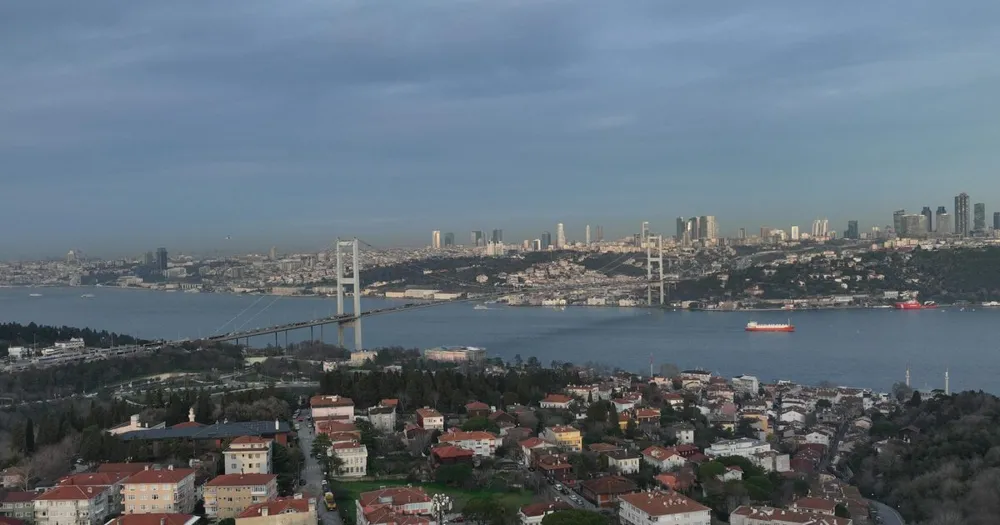
Particulate matter pollution in Istanbul rose by 11% in August 2026 compared to the same month last year, reaching 31.9 micrograms per cubic meter.
Particulate Matter Pollution Increased in Istanbul
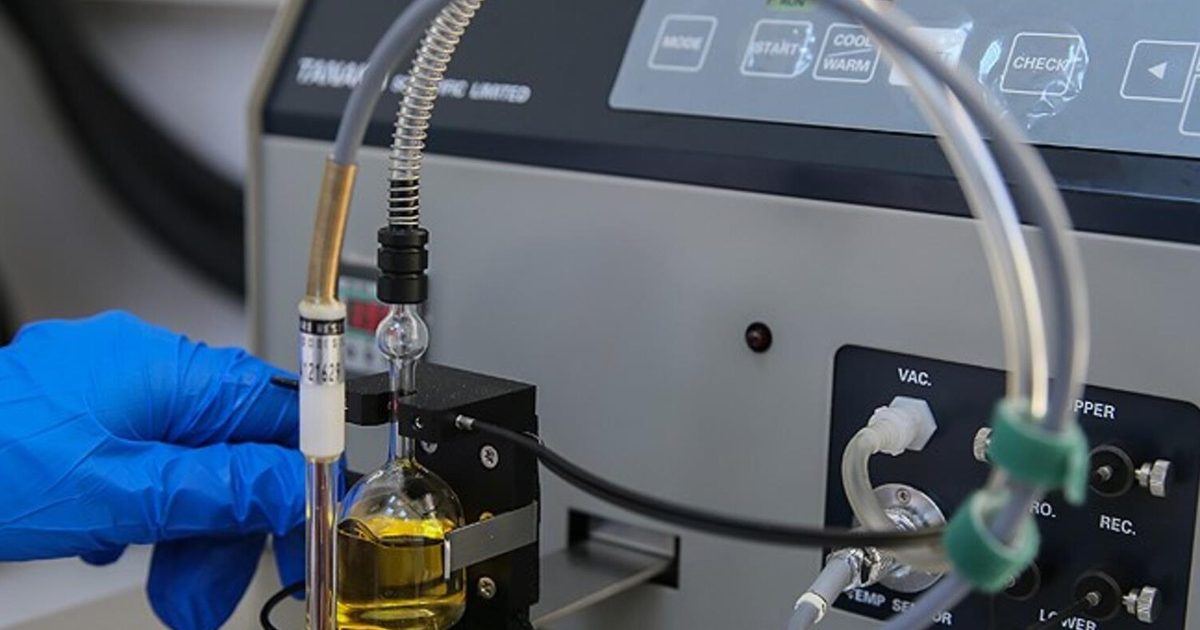
A comprehensive study conducted by Prof. Dr. Hüseyin Toros, Head of the Meteorology Engineering Department at Istanbul Technical University's Faculty of Aeronautics and Astronautics, revealed changes in the megacity's air quality. According to data from 26 measurement stations operated by the Ministry of Environment, Urbanization and Climate Change and the Istanbul Metropolitan Municipality, the average particulate matter (PM10) concentration in August 2026 was determined to be 31.9 micrograms per cubic meter. This represents an 11% year-on-year increase, up from 28.87 micrograms recorded in the same month last year.
Pollution Levels Varied by Station
An examination of the measurement points across the city showed significant differences in pollution values between stations. The Sultangazi 1 station recorded the highest level of particulate matter pollution in August, with 53.06 micrograms per cubic meter. This was followed by Sultangazi 2 at 51.26 micrograms per cubic meter and Tuzla at 44.28 micrograms per cubic meter. The areas with the cleanest air were Alibeyköy at 19.44 micrograms per cubic meter, Kandilli 1 at 19.66 micrograms per cubic meter, and Ümraniye 1 at 19.77 micrograms per cubic meter.
Areas Showing Increase and Decrease
It was determined that pollution increased at 17 out of the 26 air quality monitoring centers in the city, while a decrease was observed at 9 stations. Compared to the same period last year, the Sarıyer station showed the most significant rise in air pollution, with a 120.05% increase, followed by Kumköy with a 95.29% increase. Conversely, the most notable decrease in particulate matter concentration was measured at the Yenibosna station, with a 30.89% reduction. This area was followed by Bağcılar with a 23.77% decrease and Maslak with a 21.82% decline.
Impact of Meteorological Conditions on Air Quality
Prof. Dr. Hüseyin Toros, Head of the Meteorology Engineering Department at ITU's Faculty of Aeronautics and Astronautics, emphasized the decisive role of meteorological factors in the increase in pollution, stating:
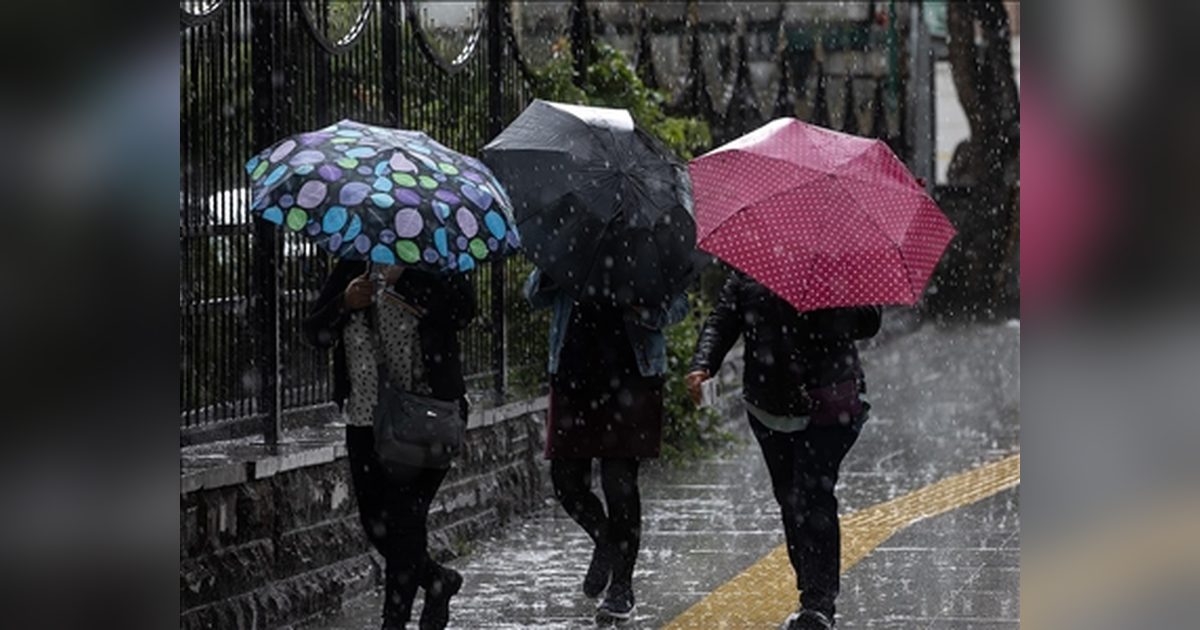
'We compared Istanbul's August air pollution figures with the same period last year. Accordingly, we detected an increase in air pollution compared to the same period last year. The more negative air quality in Istanbul in August 2026 compared to August 2025 can be attributed to the prolonged hot, rainless, and atmospherically stable conditions that were effective, especially in the second half of the month. Weakening winds and low atmospheric mixing reduce the boundary layer height and the city's ventilation capacity, while the limited rainfall and strong convective systems make it difficult to remove pollutants from the atmosphere.'
PM10 Pollution Levels by Station (August 2026)
Ministry of Environment, Urbanization and Climate Change & IMM Data
- Sultangazi 1
- 53.1 µg/m³
- Sultangazi 2
- 51.3 µg/m³
- Tuzla
- 44.3 µg/m³
- Ümraniye 1
- 19.8 µg/m³
- Kandilli 1
- 19.7 µg/m³
- Alibeyköy
- 19.4 µg/m³