


TIGEM Raises 2026 Seed Production Target to 233 Thousand Tons
· GıdaTarım
TIGEM announced that it aims for a certified seed yield of 233 thousand tons and a grain yield of 380 thousand tons in the 2026 crop production period, allocating 40% of its seed production areas to drought-resistant varieties.
Strategic Agriculture Meeting in Karacabey
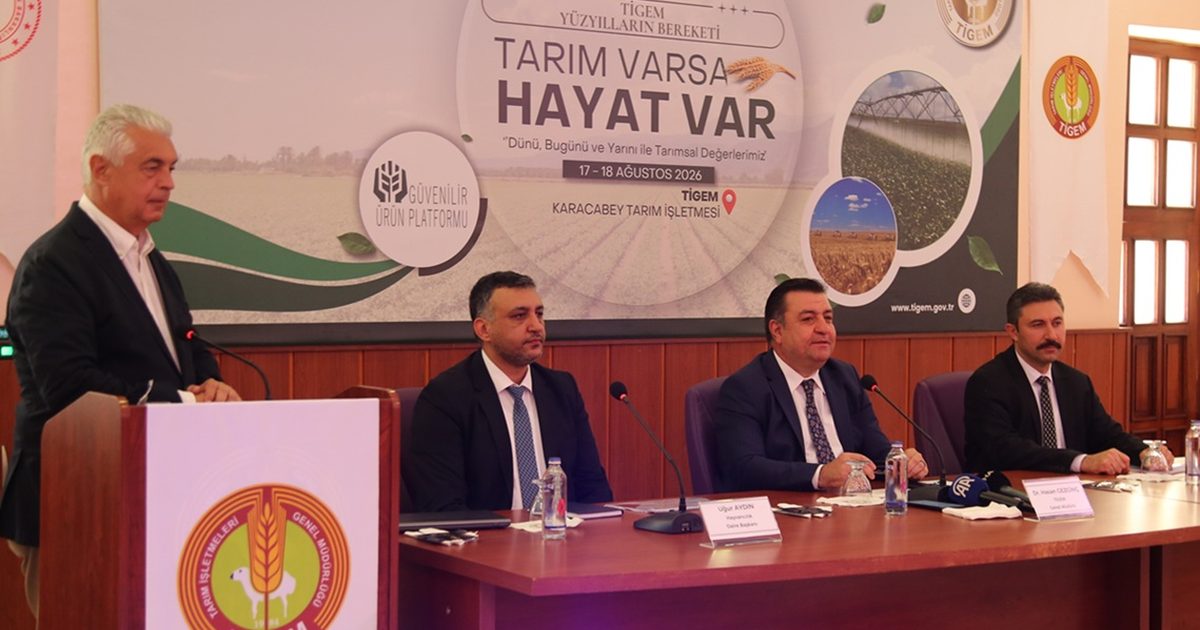
The 'There is Life if There is Agriculture' project, carried out in cooperation with the General Directorate of Agricultural Enterprises (TIGEM) and the Reliable Product Platform, brought together sector representatives at the TIGEM Karacabey Enterprise in Bursa. During the two-day event, chaired by TIGEM General Manager Dr. Hasan Gezginç, food supply security and modern agricultural techniques were discussed. Participating non-governmental organizations and sector stakeholders gained detailed information on sustainable production processes by inspecting the enterprise's field production areas, modern mechanization infrastructure, and breeding facilities on-site.
TIGEM's Production and Capital Strength
On the second day of the program, the institution's current potential was presented in a session moderated by Reliable Product Platform Chairman Celal Toprak. TIGEM General Manager Dr. Hasan Gezginç emphasized that with 8,145 personnel, 17 enterprises, and 3.6 million decares of land across the country, the institution is Turkey's largest agricultural production force. Gezginç shared with the public that TIGEM successfully maintains its sector leadership in certified seed production with a 25% market share and a capital exceeding 13.3 billion TL.
2026 Yield and Climate Targets in Seeds
Sharing the institution's future vision, General Manager Dr. Hasan Gezginç announced that they aim for a grain yield of 380 thousand tons and a certified seed production of 233 thousand tons in the 2026 crop production period. Drawing attention to the fight against climate change, Gezginç stated that they have planned 40% of their seed production areas with drought-tolerant varieties. It was noted that while domestic farmers are supported with registered seeds and the Vezir-55 hemp variety, exports are being increased, particularly to Northern Cyprus and Iraq.