


September Harvest and Sowing Season Kicks Off Across Turkey
· Google Haberler
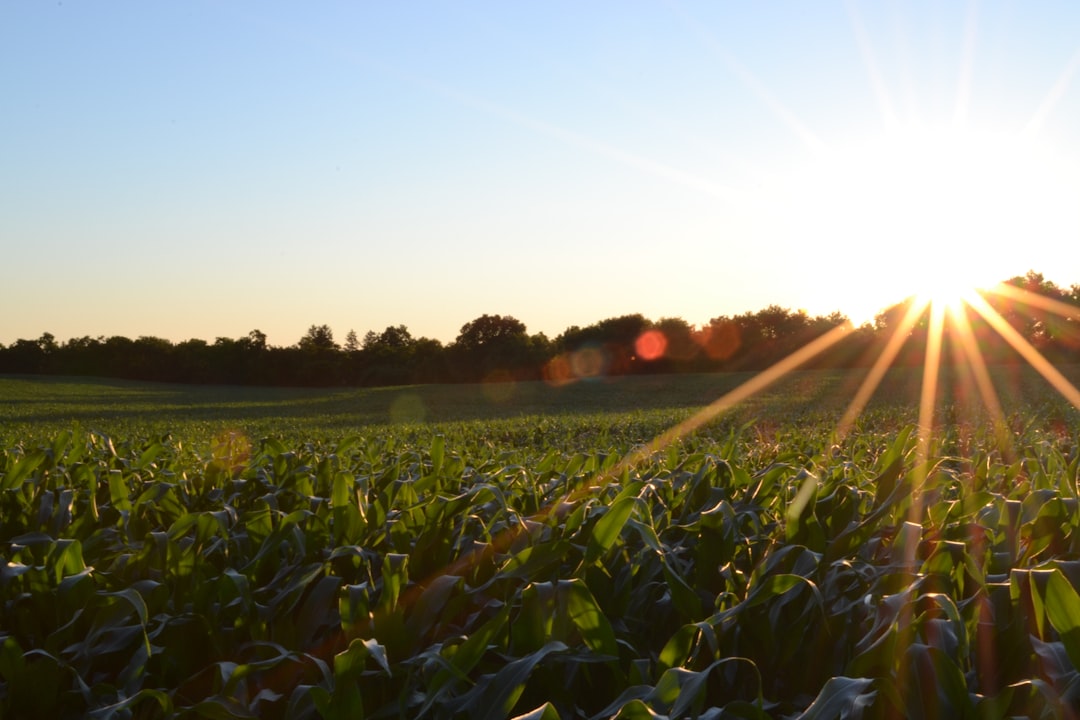
September marks Turkey's peak agricultural production period, with summer crops reaching maturity for harvest and fields being prepared for winter grain sowing.
Turkey's Agricultural Calendar in September
September represents the most intense and decisive transition period in Turkey's agricultural production chain. In a country hosting diverse climate zones, crops ripened over the summer are being harvested while the infrastructure for the winter production season is being established. Regional calendars published by the Ministry of Agriculture and Forestry indicate that fruit harvests are reaching their peak, and summer vegetables are being collected. This activity signifies not only a harvest period but also the commencement of a new production season.
Strong Yield Expected for Grapes
Grape harvesting activities in the Aegean, Marmara, and Central Anatolia regions, which gained momentum from late August, peak in September. In centers like Manisa, Denizli, İzmir, Tekirdağ, and Nevşehir, table and dried grapes are being collected and directed to industrial and consumption channels. According to TÜİK data, grape production is expected to increase by 53% in 2026 compared to the previous year. This strong rise signifies a significant recovery for the viticulture sector following losses recorded in the prior year.
Global Export Share for Aydın Figs
The fig harvest, a signature product of the Aegean Region, is intensely underway, particularly in Aydın and İzmir. According to data from the Ministry of Agriculture and Forestry, Turkey alone accounts for approximately 28% of global fig production. While the 2026 season targets a yield of 388,000 tons of fresh figs and 94,000 tons of dried figs, Turkey meets 60% to 65% of the world's dried fig demand. This highlights the critical importance of September harvest activities for export revenues.
Sunflower Harvest in Thrace and Anatolia
In oilseed sunflower production centers, especially in Thrace, combine harvesters entered the fields from late August, accelerating operations in September. Technical data from the Ministry of Agriculture and Forestry notes that the grain moisture content is vital for successful storage, given the average 120-130 day growing period for sunflowers. TÜİK estimates predict a 16.2% increase in sunflower production in 2026, reaching 2.3 million tons. Timely harvesting by producers, paying attention to moisture levels, directly impacts product quality.
Regional Variations in Corn Production
The corn harvest calendar in Turkey shows significant regional differences based on sowing times and local climate conditions. According to data from the Adana Provincial Directorate of Agriculture and Forestry, the main corn harvest in warm areas like Çukurova is completed in September, while the final irrigation for the second crop is being carried out. The first preliminary report for 2026 by TÜİK forecasts Turkey's overall corn production to be around 8 million tons. This figure indicates a 5.9% decrease in corn production compared to the previous season.
Potato and Sugar Beet Harvesting
In the high-altitude agricultural lands of Eastern and Central Anatolia, the harvest of potatoes, sugar beets, and dry beans begins in September. As indicated in the calendar of the Bingöl Provincial Directorate of Agriculture and Forestry, the harvesting phase for these crops intensifies during this period compared to western regions due to cool climate conditions. TÜİK's official 2026 forecasts predict potato production to be approximately 6.2 million tons and sugar beet production to be around 22 million tons. This volume of industrial crops maintains domestic market balance.
Critical Timing in Cotton Harvest
In the strategic industrial raw material cotton fields of the Aegean, Çukurova, and Southeastern Anatolia plains, harvesting activities accelerate with September. Ministry of Agriculture and Forestry guidelines state that while tobacco processing continues, cotton harvesting is carried out based on boll opening and fiber quality. Early harvesting leads to yield loss, while excessive delays can cause significant deterioration in fiber quality due to autumn rains. Correct timing directly determines the producer's income.
Leap in Apple and Fruit Production
In production centers such as Isparta, Karaman, Niğde, Denizli, and Bursa, apple and pear harvests reach their peak in September. The Erzincan calendar from the Ministry of Agriculture and Forestry reports that apples, pears, peaches, plums, walnuts, and almonds are being supplied to the market. According to TÜİK data, total production of fruits, beverages, and spice crops is expected to increase by 57.8% in 2026, reaching 31 million tons. The projected historic record increase of 93.6% in apples confirms the significant leap in the fruit-growing sector.
End of Season and Preparations for Vegetables
In irrigated areas across the Marmara, Aegean, Mediterranean, and Central Anatolia regions, the final harvests of summer vegetables like tomatoes, peppers, and cucumbers are being completed. Data from the Denizli Provincial Directorate of Agriculture and Forestry shows that harvested vegetables are sorted, packaged, and dispatched to fresh markets and paste factories. For producers, this process is not just about collecting produce; it also involves clearing plant residues and preparing fields for winter vegetable planting. As the season closes, a new cycle begins.
Maintenance Process for Hazelnuts and Olives
While hazelnut harvesting in the Black Sea Region was largely completed in August, the Hazelnut Research Institute indicates that drying, storage, and garden maintenance are prominent in September. Maintenance work is critical as fruit buds for the following year develop during this period. For olives, irrigation in the first half of September, according to agricultural calendars in Denizli and Yalova, directly enhances table olive quality. Teams are meticulously carrying out soil conditioning and pest monitoring in olive groves, preparing for the main harvest period.
Soil Preparation for the New Season
September is not only a harvest season but also represents the official start of the new sowing season for cereal producers. The Muş Provincial Directorate of Agriculture and Forestry calendar announces that second and third soil cultivations are being carried out in fields for early wheat and barley sowings. According to TÜİK's May 21, 2026 forecast, cereal and field crop production is expected to increase by 12.6% to 75.4 million tons, and vegetable production to reach 33.3 million tons. Soil preparation directly impacts productivity.