


Global Food Inflation and National Resilience: The Silent Scream at Our Dinner Tables
· Prof. Dr. Kemal Şahin
Global food inflation has turned into a silent scream at our dinner tables, threatening not only our wallets but also our national food security. This article analyzes the root causes of inflation, ranging from climate change to geopolitical tensions, while discussing the strategic steps Turkey needs to take in its food policies, from supporting local production to water management, from a broad perspective. It emphasizes the necessity of an urgent and holistic action plan to establish future food security.
From our morning breakfast to our evening meal, every dish, whether we realize it or not, is a complex reflection of the global economy and geopolitical balances. In recent years, this reflection has transformed into a "silent scream" at our tables, becoming increasingly evident, hurting our wallets, and increasing anxieties about the future: Food inflation.
This scream is not just a price increase; it is also a harbinger of deeper issues such as national security, social justice, and sustainability. As an expert in food policies, it is essential to decipher the reasons behind this silent scream and discuss how we can build national resilience against it.
Global food inflation is not the result of a single cause but a combination of numerous interconnected factors. Droughts, floods, and extreme weather events caused by climate change directly impact agricultural production, narrowing supply. Supply chain disruptions, port congestions, and exploding shipping costs due to the pandemic have disrupted the flow of products from farm to table.
Geopolitical tensions, such as the war in Ukraine, interrupt supplies from regions known as the world's breadbasket, while rising energy prices increase the costs of fertilizers, irrigation, and transportation, making every stage of agricultural production more expensive. In short, food inflation is only the tip of the iceberg; much more complex and structural problems lie beneath.
Even for a country with a large geography and agricultural potential like Turkey, escaping the effects of global fluctuations is impossible. Our reliance on imports for some strategic products, combined with exchange rate fluctuations, multiplies costs, which directly reflects on consumers. A decline in our self-sufficiency rates for certain products makes us more vulnerable to external shocks.
Food security now means not only access to sufficient food but also that this food is sustainable, healthy, and affordable. In this context, we must review our national agricultural strategies, not just producing short-term solutions, but reshaping them with a long-term vision.
So, how can we build national resilience against this silent scream? Firstly, increasing self-sufficiency in strategic products must be our primary priority. This is possible not only by increasing production volume but also by supporting local seeds and developing climate-resilient varieties.
Secondly, water management is vital. In a geography at risk of drought, smart irrigation systems, water-saving agricultural techniques, and efficient water use are key to future food security. Thirdly, policies supporting local producers are the foundation of sustainability. Reducing costs for agricultural inputs, facilitating access to finance, and developing mechanisms that directly connect producers with the market will encourage rural development and production.
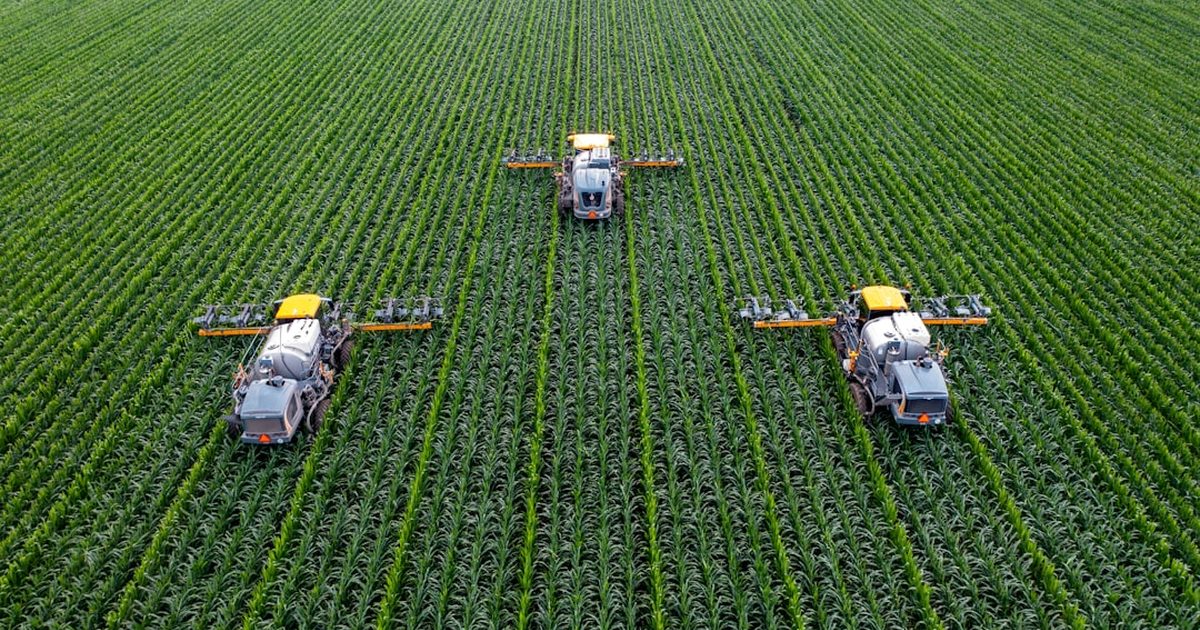
Fourthly, R&D and innovation are the future of agriculture. Digital farming applications, AI-supported analyses, and precision agriculture techniques can increase efficiency while optimizing resource use. Finally, preventing food waste and increasing consumer awareness will play a significant role in improving the supply-demand balance.
Implementing these strategic pillars requires a holistic approach and strong political will. Agricultural policies should be a common ground not only for the Ministry of Agriculture and Forestry but also for the Ministries of Economy, Environment, Urbanization, and Climate Change. Producing long-term, science-based policies instead of short-term populist solutions is our responsibility to future generations.
Let us remember that food security is not a luxury but a fundamental pillar of national independence and social welfare. Hearing the silent scream at our dinner tables before it turns into a disaster and taking the necessary steps is today's most urgent and strategic task.