


Research: How Does Sugar Substitute Sorbitol Affect the Liver?
· ScienceDaily Beslenme
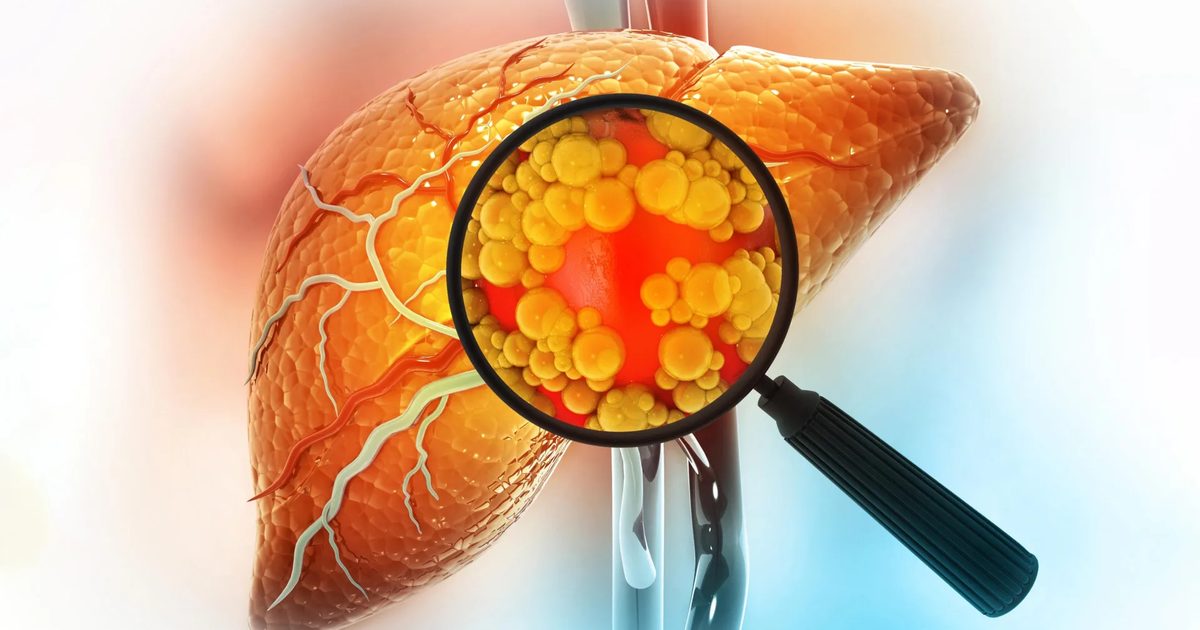
New research from Washington University suggests that sorbitol, commonly used in sugar-free products, can be converted to fructose in the liver, potentially increasing the risk of fatty liver disease.
Scientific Framework of the Sorbitol Research
A new laboratory study conducted at Washington University School of Medicine in St. Louis and published in the journal Science Signaling has examined the metabolic processes of sorbitol, a popular sugar substitute. The research team, led by Gary Patti, revealed that this compound, found in sugar-free gum, diet products, and some stone fruits, may not be as innocuous as previously thought. Contrary to the common belief that sugar alcohols are directly excreted from the digestive tract without absorption, scientists have obtained findings indicating that they can have significant metabolic consequences in the liver.
Fructose Conversion and Liver Risk
Researchers determined that sorbitol is only one chemical conversion away from fructose and can be transformed into fructose derivatives in the liver. Previous studies have shown that fructose metabolism can trigger fatty liver disease, a condition affecting approximately 30% of adults worldwide. Gary Patti stated that the way sorbitol is processed in the liver can produce effects similar to direct fructose, potentially creating an undesirable pressure for fat accumulation in the organ.
Experimental Findings in Zebrafish
Experiments conducted on zebrafish models revealed that sorbitol is not only directly absorbed from food but can also be synthesized from glucose by enzymes in the gut. The production of sorbitol, historically associated with high glucose levels, can be triggered after meals even under healthy digestive conditions without diabetes. According to the mechanism studied, the ultimate fate of sorbitol, whether ingested or synthesized in the gut, is directly determined by the composition of the gut microbiota.
Protective Role of Gut Microbiota
The experimental results showed that certain beneficial bacterial species in the gut, such as those from the *Aeromonas* genus, consume sorbitol and convert it into harmless byproducts. Gary Patti, Professor of Chemistry, Genetics, and Medicine at Washington University, commented on the findings:
'It can be produced in significant amounts in the body. But if you have the right bacteria, apparently it doesn't matter.'
However, the process differs when the microbiota lacks sufficient bacteria. Gary Patti summarized the risky mechanism:
'But if you don't have the right bacteria, then it becomes problematic. Because under those conditions, sorbitol is not broken down and therefore is delivered to the liver.'
Consumption Levels Exceeding Bacterial Capacity
While low amounts of sorbitol from natural sources like fruits can be easily cleared by gut bacteria, excessive glucose and intense sweetener consumption can strain this filtering capacity. The high load of sorbitol from processed foods can lead to the protective mechanism being insufficient, even in individuals with beneficial bacteria. Gary Patti noted that he found high levels of sorbitol in protein bars he consumed, drawing attention to industrial products containing multiple sweeteners.
Diet Products and the 'Sugar-Free' Perception
Diabetics and individuals with metabolic disorders often opt for products labeled 'sugar-free' to avoid table sugar. However, the findings of this study suggest that alternatives replacing table sugar do not yield entirely neutral results. It is indicated that consumers turning to diet products to protect liver health should more carefully consider the long-term biochemical consequences of substitutes that exhibit fructose-like effects.
Distribution of Sugar Alcohols in the Body
The classic assumption that sugar alcohols, belonging to the polyol class, remain in the digestive tract and are excreted has been reopened for debate by laboratory data. Gary Patti made the following statement regarding their experimental evidence:
'We see that sorbitol given to animals absolutely reaches tissues throughout the body.'
The molecule's passage through the gut and distribution to the liver and other tissues indicates that sweeteners have a much broader impact on body physiology than previously estimated.
Considerations for Sweetener Choices
The research results prove that not every alternative used in efforts to avoid sugar can be considered metabolically risk-free. Gary Patti summarized the landscape of seeking sugar substitutes:
'There's no free lunch.'
Scientists emphasize that multiple metabolic pathways can lead to liver dysfunction, noting that the study is limited to animal models and that the sorbitol breakdown processes by bacteria require further investigation through detailed human clinical trials.