


The New Storm of Global Agriculture: Food Security at the Intersection of Climate, Water, and Geopolitics
· Dr. Tarık Yılmaz
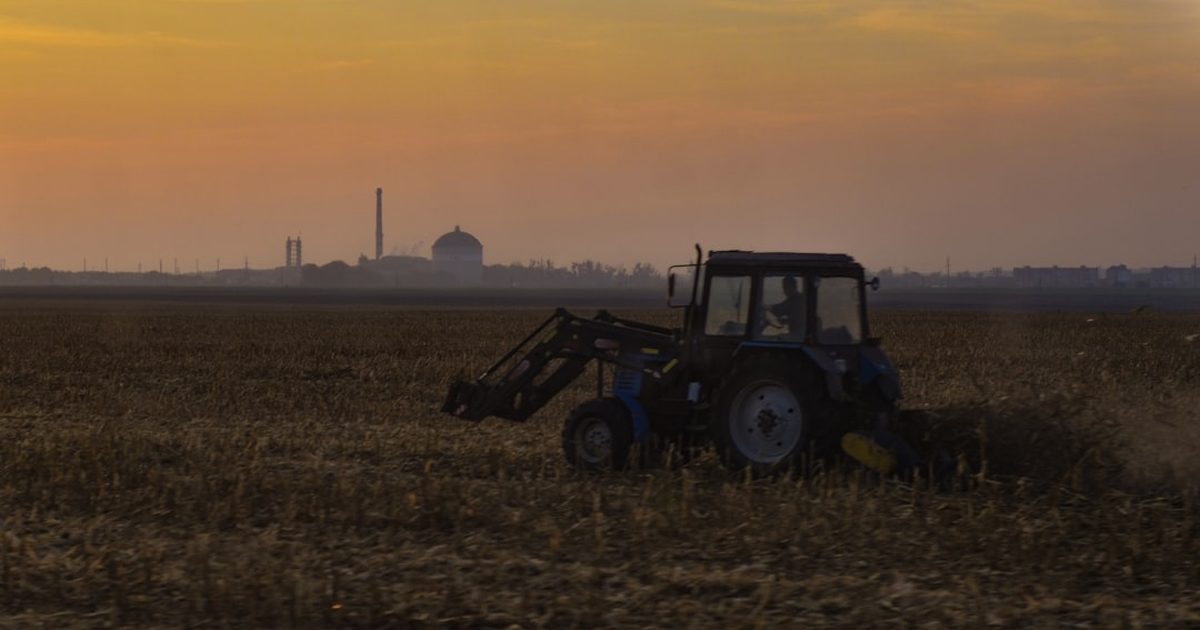
The world is navigating an unprecedented turning point in agricultural economics. The devastating effects of climate change, escalating water scarcity, and a fragmented geopolitical order are fundamentally disrupting food supply chains, leading to unpredictable fluctuations in commodity prices. This column will delve into the profound impacts of this triple threat on global food security and explore potential solutions for the future.
Dear readers,
The golden age of agricultural economics, a period characterized by relatively predictable supply and stable prices, is unfortunately behind us. Today, the global food system finds itself in the midst of a storm, not merely due to isolated shocks, but at the intersection of multiple, self-reinforcing crises. Climate change, rapidly increasing water scarcity, and a fragmented geopolitical order are profoundly affecting not only crop yields in the fields but also international trade, commodity markets, and the food security of billions of people.
Climate change is the most visible and devastating component of this storm. The extreme weather events we witness globally – prolonged droughts, destructive floods, record heatwaves, and unexpected frosts – directly target agricultural production. The declines in yields of staple crops like rice, corn, and soy in vast geographies from Asia to South America due to El Niño's effects in recent years are concrete examples of this. This situation impacts not only farmers' incomes but also global commodity prices and, consequently, the food inflation we see at our tables. Even insurance mechanisms are struggling to fully cover risks of this magnitude.
However, the threats posed by climate change are often intertwined with another critical crisis that progresses silently: water scarcity. Agriculture is a colossal sector, consuming approximately 70% of the world's freshwater resources. Depletion of groundwater reserves, increasing tensions in major river basins, and changes in precipitation patterns are putting many regions of the world under severe water stress. Especially in food-import-dependent regions like the Middle East, North Africa, and South Asia, water scarcity further restricts agricultural production, making food security issues chronic and potentially triggering migration waves. This fragile balance in the water-food-energy nexus poses serious risks to global stability.
These environmental pressures are, regrettably, occurring within an increasingly fragmented geopolitical environment. The shock created by the war in Ukraine in global grain and fertilizer markets, the pressure on supply chains from the Red Sea shipping crisis, or increasing trade barriers and food nationalism trends are disrupting global food flows. Countries are resorting to export bans, increasing their strategic reserves, and adopting agricultural protectionist policies out of food security concerns. While such measures may appear to enhance national security in the short term, they ultimately make all countries more vulnerable in the long run by constricting global supply and increasing price volatility.
The combination of these triple threats is causing unprecedented volatility in global agricultural commodity prices. Rising food inflation erodes the purchasing power of low-income households in particular, making the fight against hunger and poverty worldwide even more challenging. Speculative movements in financial markets can also amplify these fluctuations at times, leading to price increases independent of actual supply-demand balances.
So, what path should we take in the midst of this storm? Our vision for the future must center on international cooperation, climate-resilient agricultural practices, and sustainable water management. The development of drought-resistant seed varieties, the widespread adoption of smart irrigation systems, the use of precision agriculture technologies, and investment in innovative production models like vertical farming have become imperative. Furthermore, global food reserves and risk management mechanisms must be strengthened, and new agreements and collaborations encouraged to ensure the uninterrupted and fair flow of international trade. Making our food systems more resilient, inclusive, and sustainable is not just an economic imperative but also a moral duty for the future of our planet and humanity.
Let us remember that food security is the cornerstone of national security, and the steps we take in this challenging period will determine the fate of future generations. Therefore, we must develop rational, collaborative, and visionary solutions against this new storm in the global agricultural economy.