


Seedless Watermelons Boost Market Share and Price
· GıdaTarım
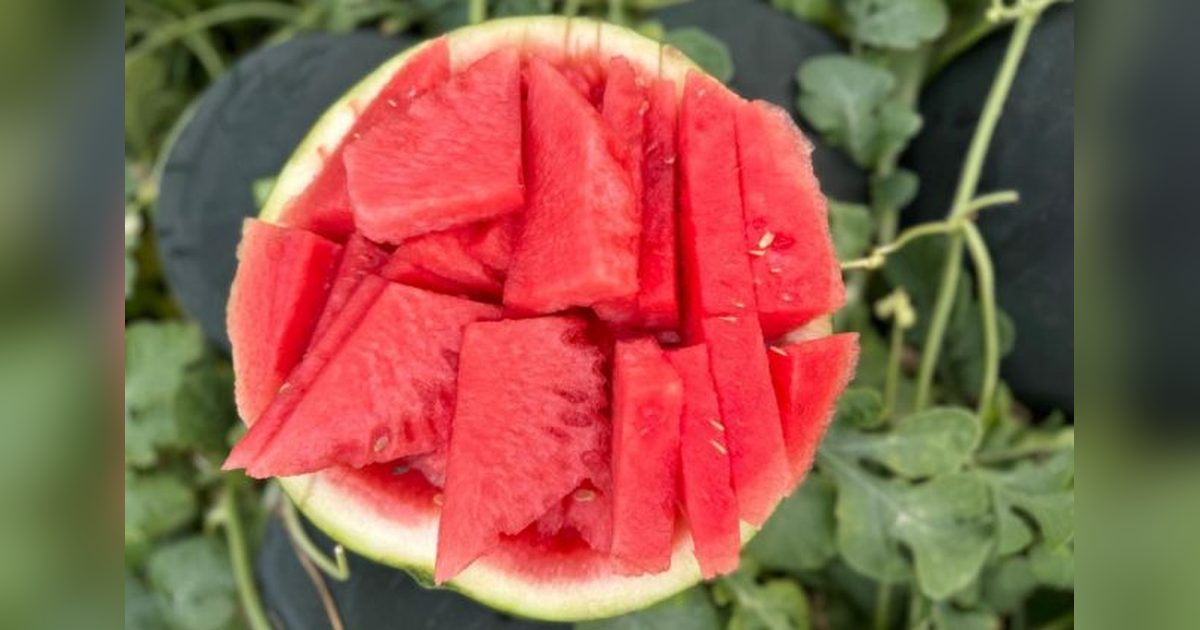
Seedless and compact varieties, replacing traditional large watermelons, are selling at chain supermarkets with a price premium of up to 60%.
Market Dynamics and Price Difference
Traditional Adana watermelons, weighing 10-15 kilograms and symbolizing summer, are gradually ceding market share to smaller, black-skinned, seedless varieties. Seedless watermelons, which have solidified their presence in chain supermarkets with increased supply, are being sold at prices 30% to 60% higher than classic products. While standard striped watermelons weighing 7-8 kilograms are sold for an average of 70-80 Turkish Lira on supermarket shelves, seedless varieties of the same weight can reach up to 120-140 Turkish Lira. Consumers are accepting this price difference to avoid the hassle of removing seeds and for ease of transport.
Hybrid Breeding and Changing Consumption
Seedless watermelon, which is not a genetically modified organism, is produced through classic plant breeding and natural hybridization techniques rather than gene transfer in a laboratory. These hybrid fruits, born from the cross-pollination of normal watermelon lines with tetraploid plants, require special seed planting each year as they do not produce seeds. In addition to the absence of seeds, their compact size of 4-7 kilograms perfectly meets the portioning needs of small households. Small-sized products that take up less space in the refrigerator and are consumed quickly also prevent food waste.