


The Silent Storm: Reshaping Global Agriculture in an Age of Uncertainty
· Dr. Tarık Yılmaz
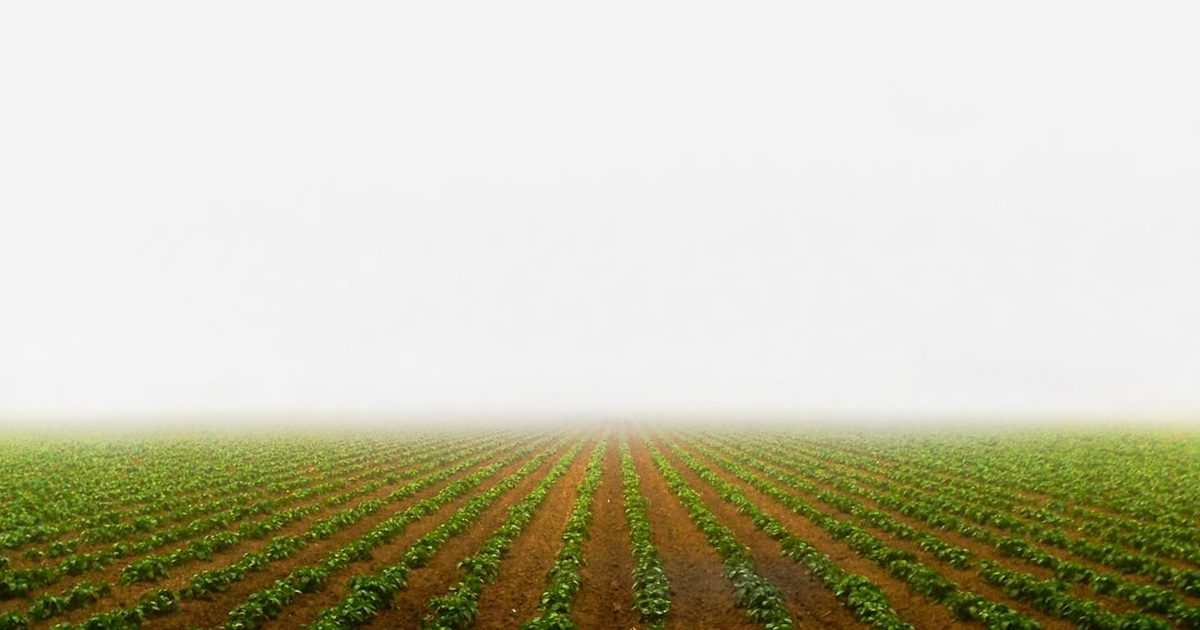
Global agriculture is navigating a silent storm triggered by climate change, water scarcity, and geopolitical tensions. This column analyzes these complex challenges threatening our food security and proposes visionary solutions to build a resilient, sustainable agricultural system.
My dear readers, today I want to talk to you about a "silent storm" brewing in the turbulent waters of the global agricultural economy—one that many of us may not even be aware of, but which will profoundly affect the future of all humanity. The abundance of products on our shelves can be deceptive; our global food system is passing through a period of unprecedented fragility.
The first gust of this storm is climate change itself. Extreme weather events – floods, droughts, sudden frosts, and scorching heatwaves – are no longer exceptions but are becoming the norm. The world's breadbaskets are sounding alarms one after another. From the cornfields of North America to the wheat plains of Europe, and the rice terraces of Asia, yields have become unpredictable. This situation not only impacts farmers' incomes but also directly affects global commodity prices, increasing inflationary pressures and making food access more difficult for the most vulnerable communities.
The second, and perhaps most insidious, component of the storm is the scarcity of water, which we refer to as "blue gold." Agriculture uses approximately 70% of the world's freshwater resources. However, groundwater is rapidly depleting, rivers are drying up, and water basins are struggling with drought. Intensive agricultural activities, particularly in drought-prone regions, accelerate the depletion of this precious resource. Without water, there is no agriculture; this simple truth will redraw the map of food production in the coming years and fuel competition for water among nations. This is not merely an environmental issue but also a serious geopolitical risk and a potential source of conflict.
The third gust is geopolitical instabilities and supply chain vulnerabilities. The war in Ukraine, disputes over the Black Sea Grain Initiative, trade embargoes, and rising protectionist tendencies have once again highlighted the bitter truth that food can be used as a weapon. Global supply chains are so interconnected that even the smallest disruption can create a domino effect. Political turmoil in one region can empty a supermarket shelf thousands of miles away, skyrocketing prices. This situation compels countries to develop more inward-looking strategies for their own food security, while simultaneously increasing the importance of global cooperation.
So, what should we do against this silent storm? The answer lies in the words "resilience" and "sustainability." Firstly, investment in the development of climate-resilient seed varieties, smart irrigation systems, and precision agriculture technologies is essential. Data analytics and artificial intelligence can help farmers make more informed decisions. Secondly, water management policies must be radically re-evaluated, water conservation encouraged, and wastewater treatment and recycling projects prioritized. Thirdly, we must diversify our food systems and strengthen regional and local supply chains, thereby becoming less dependent on global shocks.
Finally, international cooperation and multilateral agreements will play a key role in solving these global problems. Food security is not an issue that any country can solve alone; it requires a common vision and action plan for a shared future. Let us not forget that agriculture is not just an economic activity, but also the cornerstone of a civilization. Preventing the devastation that this silent storm will bring and leaving a more secure world for future generations is a responsibility that rests on all our shoulders. Without delay, we must take steps to turn this storm into an opportunity.