


The Geopolitics of Nitrogen and Agflation 2.0: Why Soil Has Become the New Oil
· Dr. Tarık Yılmaz
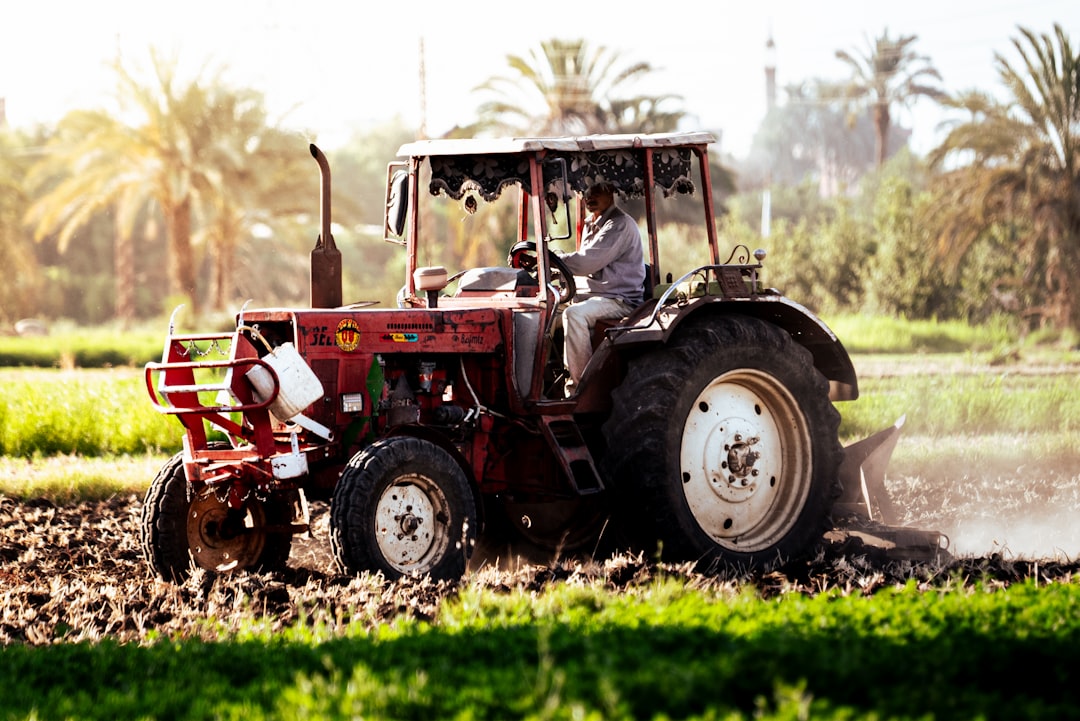
While global markets focus on oil and semiconductor wars, the true silent arbiter of macroeconomic stability and food security is synthetic fertilizer geopolitics. Tightly bound to natural gas prices and rising protectionism, this dynamic is triggering a structural Agflation 2.0 wave.
In financial corridors, macroeconomic balances are traditionally envisioned through the prism of crude oil prices per barrel, central bank rate paths, or semiconductor supply chains. Yet, the foundational pillar of modern civilization lies in that critical chemical breakthrough pioneered by Fritz Haber and Carl Bosch in the early 20th century—fixing atmospheric nitrogen into the soil. Today, nearly half of the global population is nourished thanks to synthetic nitrogen fertilizers. It is precisely at the volatile intersection of energy markets and agricultural commodities that a new geopolitical era emerges: The Geopolitics of Nitrogen.
Attributing the turbulence in global commodity markets over the past two years merely to cyclical droughts or Black Sea logistics bottlenecks is an incomplete reading of the macroeconomic landscape. Natural gas constitutes the primary feedstock for ammonia synthesis; consequently, every surge in energy volatility directly hits the farmer's fertilizer bill and ultimately translates into global food inflation—'agflation'. The curtailment of European fertilizer plants due to prohibitive power costs, coupled with export restrictions on vital nutrients by key players and monopolistic concentrations in phosphate and potash reserves, has transformed agriculture from a conventional economic sector into the nucleus of national security doctrines.
Here lies the critical blind spot for central banks: monetary tightening can cool aggregate demand, but it cannot repair fractured supply chains, offset structural fertilizer input costs, or mitigate the yield destruction caused by climate anomalies. Food demand is inherently inelastic; hunger cannot be postponed. This reality brings forth an entrenched, structural 'Agflation 2.0'. Emerging and developing economies, unable to adequately nourish their soils due to input hyperinflation, will inevitably face structural yield penalties in upcoming harvest cycles.
Where, then, lies the strategic exit? The answer does not reside in blindly perpetuating petrochemical dependencies, but in fundamentally redefining the agricultural productivity paradigm through precision nutrient delivery, green ammonia infrastructure, and biological soil amendments. The top 20 centimeters of living arable soil is now global capital's most critical strategic asset. Nations unable to manage their nitrogen sovereign resilience, seeds, and water tables will find their economic sovereignty severely compromised in the commodity storms of the coming decade.