


The Digital Memory of Soil: Next-Generation Agricultural Economy Amid the Climate Crisis
· Zeynep Aksoy
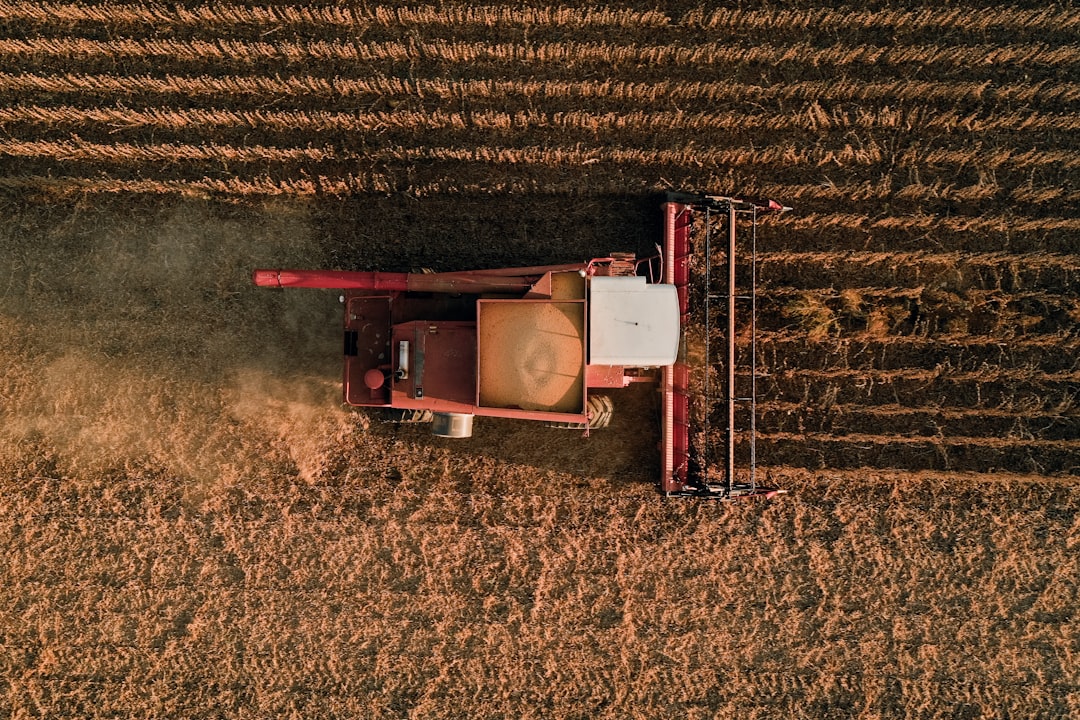
As droughts and extreme weather events threaten global food security, traditional agricultural practices are yielding to data-driven, regenerative ecosystems. Merging the biological vitality of the soil with artificial intelligence and precision farming technologies not only protects our ecosystems but also reshapes the future of the rural economy.
The unseasonably high temperatures recorded across the Mediterranean basin last week represent far more than a routine weather anomaly for farmers: they provide tangible proof that agriculture stands on the brink of an ontological transformation. The centuries-old cycle of "plant, water, and harvest" is collapsing in the face of climate crisis-induced unpredictability. Yet, at the very heart of this disruption, a quiet yet revolutionary paradigm shift is taking root.
Traditional agriculture’s heavy reliance on chemical inputs and excessive irrigation consumes nearly 70 percent of global freshwater resources while depleting arable soil organic matter year after year. Conversely, the contemporary convergence of Regenerative Agriculture and Precision Farming treats the soil not merely as a medium for production, but as a living, breathing, and carbon-sequestering macro-ecosystem. Soil sensors, satellite telemetry, and AI-driven predictive analytics now gauge moisture, microbial dynamics, and nutrient requirements down to the millimeter.
The macroeconomic implications of this technological leap are just as profound as its ecological merits. Resource waste—which often reaches up to 40 percent in conventional irrigation and fertilization—is dramatically curtailed through Variable Rate Application (VRA) systems. Furthermore, growers who enhance the carbon sequestration capacity of their land are beginning to monetize these practices through emerging soil carbon credit markets, turning farmland into both a digital asset and a climate shield.
The agriculture of tomorrow cannot wage war against nature; rather, it must decipher nature's evolutionary wisdom through the lens of modern algorithms. If we fail to align rural economic policy with this digital and ecological transition, we risk forfeiting both food sovereignty and water security. It is time to empower every seed with data and ground our agricultural future in the living memory of the soil.