


Adıyaman's Barley Straw Reaches New York Design Scene
· Tarım Pusulası
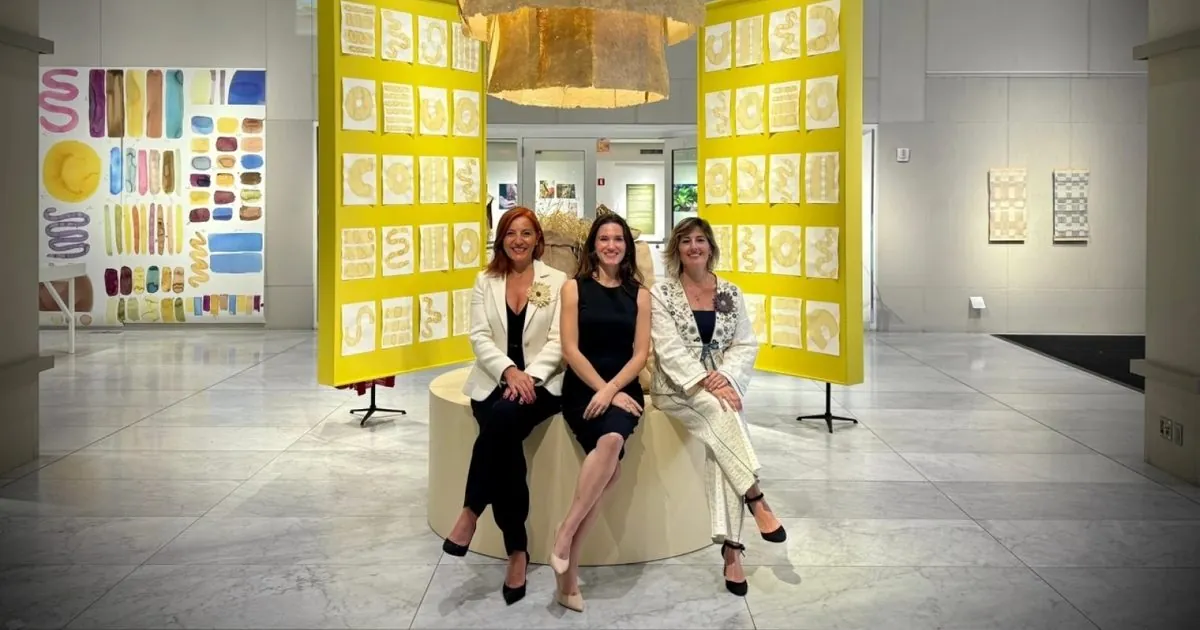
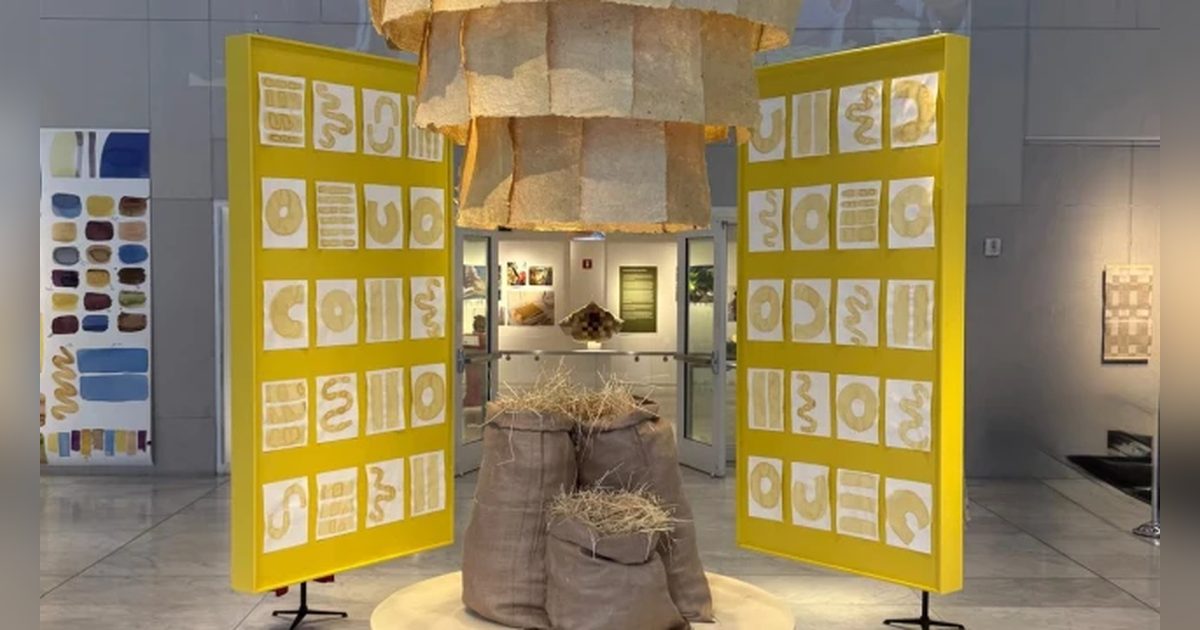
Barley straw, previously an agricultural waste in Adıyaman, has been transformed into a value-added design material showcased at the New York Fashion Institute of Technology, thanks to the efforts of women's cooperatives and a circular economy vision.
The innovative barley straw-based material, developed within the scope of the 'Second Harvest' project implemented in Adıyaman, has been transported to New York through the 'Soil to Surface' exhibition. This initiative, carried out in partnership with Anadolu Efes and the United Nations Development Programme Turkey, enabled an agricultural waste product to reach the international design stage. The exhibition was hosted by the New York Fashion Institute of Technology, one of the world's leading fashion and design institutions. The event was curated by Susanne Goetz, Head of the FIT Textile and Surface Design Department, and Birnur Temel Birtane, Founding Director of MILKist Social Design Center.
Barley straw, left in the fields after harvest in agricultural production, has been transformed from waste into a value-added raw material through the project. The barley straw-based material, prepared with the traditional production experience of women's cooperatives, gained unique forms with the touches of designers such as Başak Cankeş, Çiğdem Kacar Selimoğlu, Burcu Sülek, and Studio Birtane. Selda Susal Saatçi, Corporate Communications and Relations Director at Anadolu Efes Group, emphasized that they see agriculture as a long-term value area and are bringing this resource back into the economy. Selda Susal Saatçi conveyed their goals with the following words:
Ceyda Alpay, Portfolio Manager for Economic Growth and Competitiveness at UNDP, stated that the project presents a study that centers women in line with inclusive development goals. Alpay noted that in addition to valorizing agricultural by-products, the aim is to empower women in local production chains and revitalize regional economies. This model, which combines circular economy principles with women's employment, aims to bring innovative solutions to agricultural outputs while increasing the socio-economic capacity of producer communities in rural areas.
Eliyaman and Fortuna Women's Initiative Cooperatives, operating in Adıyaman, which was affected by the earthquake, were positioned as the primary implementers and knowledge transferors of the project. The women cooperative members were represented not only as raw material providers but also as experts conveying their production recipes at the exhibition. Birnur Temel Birtane, Founding Director of MILKist Social Design Center, stated that the work is not just a material transformation but also makes visible the ancient knowledge of the soil and women's labor.
The exhibition was designed not just as a classic presentation of finished designs, but as a continuously evolving research and development platform. The practical knowledge of women's cooperatives in Adıyaman, the approaches of Turkish artists, the productions of New York artisans, and material experiments within FIT converged on a common ground. Through an open call launched before the exhibition, New York's creative communities developed new design experiments with the barley straw-based material and participated in the exhibition.