


The Financial Labyrinth of Global Grain: Pricing the Future in the Grip of Fertilizer Costs
· Caner Ekinci
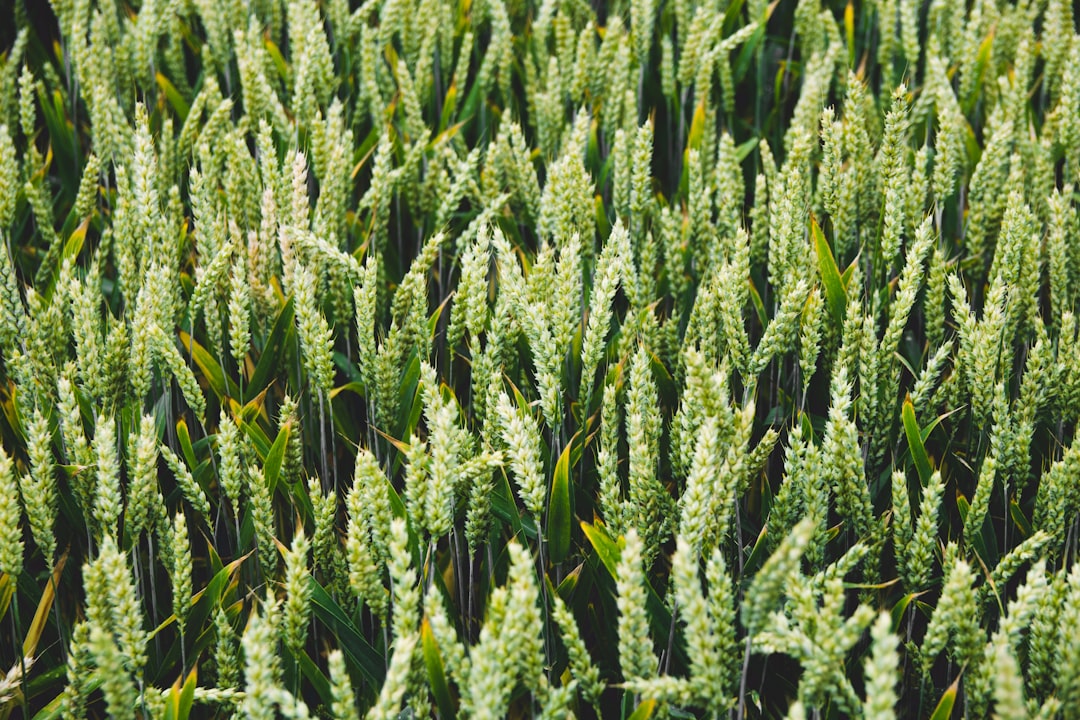
The divergence between the fluctuating trajectory painted by futures contracts in global commodity markets and the reality of on-farm input costs is widening. Fertilizer costs indexed to natural gas prices and geopolitical pressures on feedstocks are subjecting agricultural sustainability to a severe test in the shadow of derivative trading screens.
The green and red bands flashing across the screens of the Chicago Board of Trade (CBOT) and Euronext may capture the instant pulse of global grain trade, but the pulse of the soil and the farmer beats to an entirely different rhythm. The relative stabilization observed in global wheat and corn futures over recent months does not signify that the structural challenges of agricultural production are resolved. On the contrary, the spread between short-term speculative pricing in financial markets and real on-farm production costs continues to widen dangerously.
At the heart of the issue lies the structural cost rigidity of fertilizers and feed ingredients—the twin pillars of agricultural productivity. Volatility in natural gas prices, the fundamental feedstock for ammonia and urea synthesis, combined with geopolitical flashpoints and energy transition policies, has consolidated fertilizer prices at an unsustainably high baseline for producers. Tightened export quotas from major players like China and persistent supply disruptions along key maritime routes have embedded structural cost premiums into the global supply chain, turning optimal nutrient application into an unaffordable luxury for many farmers.
A parallel fragility is unfolding across the livestock feed complex. Key feed components such as corn and soybean meal continue to compress operating margins for livestock producers due to logistic bottlenecks and currency fluctuations. While growers are often forced to sell raw grains at prices depressed by global market sentiment, they are concurrently burdened by peak input costs when purchasing manufactured feeds and chemical inputs. This negative margin squeeze threatens to push small- and mid-scale growers out of the production cycle entirely.
What the agricultural commodity ecosystem urgently requires is not merely a merchant mindset fixated on spot prices, but a modern suite of risk-management mechanisms designed to hedge the spread between input costs and output realizations for primary producers. In regions where farmer access to sophisticated derivative hedging is scarce and revenue protection instruments remain nascent, leaving producers entirely vulnerable to global spot volatility under the banner of free markets is unsustainable.
The volume of the upcoming harvest will not be determined by the order books of algorithmic hedge funds; it will be decided by the exact metric tons of basal fertilizer applied to the soil today. If the structural price pressure across fertilizers and feedstocks is left unmanaged, the grain that financial markets are pricing cheaply today will inevitably return as tomorrow\'s most aggressive driver of food inflation.