


Research: Colored Rice Varieties May Support Metabolic Health
· ScienceDaily Beslenme
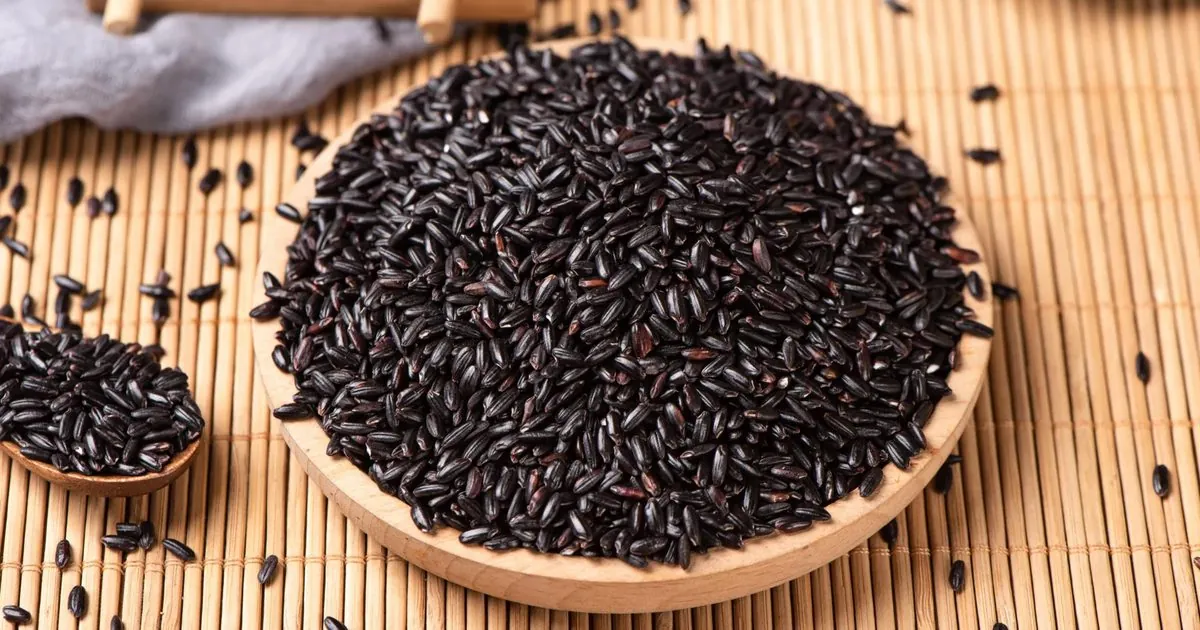
Hokkaido University researchers revealed that black and green japonica rice varieties contain specific bioactive lipids that support metabolic health and slow digestion.
New Nutritional Values Discovered in Rice
A new laboratory study conducted in Japan has determined that black and green japonica rice varieties contain specific oils that may offer significant benefits for metabolic health and are digested more slowly than white rice. The study, carried out by researchers at Hokkaido University and published in the journal Food Research International, focused on the lesser-known components of rice, a staple food for over half the world's population. While over 85% of consumed rice consists of starch, it contains about 10% protein and only around 2% fat. Despite their low proportion, rice lipids are stated to be decisive in nutritional quality and flavor.
Comprehensive Research on Japonica Varieties
Researchers focused on japonica rice, known for its soft and slightly sticky texture when cooked, which represents about 15% of global rice consumption. Detailed examinations were conducted on 56 different japonica rice varieties collected from across Japan. The research team systematically compared the biochemical differences between varieties by including brown, red, green, and black rice varieties, in addition to traditional white rice, in the sample group.
Importance of Lipid Profile for Health
In the study, which utilized modern analytical methods, the fat structure within rice grains was mapped using liquid chromatography and mass spectrometry technologies. Researchers identified 196 different lipid molecules, categorized into five main groups.
Associate Professor Dr. Siddabasave Gowda, a researcher at Hokkaido University and lead author, highlighted the function of lipids with the following assessment:
'Although lipids constitute only a small portion of rice, they play a critical role in determining its nutritional value. They help maintain cell membrane integrity, store energy, and support essential signaling processes in the body.'
Differences in Black and Green Rice
Analysis results indicated that colored japonica varieties scored higher on a health improvement index due to their distinct lipid profiles. Specifically, special fatty acid compounds called FAHMFA and LNAPE were detected in black and green rice varieties. The FAHMFA group of compounds, associated in literature with anti-inflammatory activity and improvement of metabolic health, were reported to be identified in rice for the first time in this research.
Digestion and Sugar Analysis in a Laboratory Setting
To understand the effect of colored rice on blood sugar, human digestion mechanisms were simulated in a laboratory setting rather than conducting direct tests on humans. Cooked rice samples were treated with digestive enzymes, and the rate of starch breakdown was measured. It was observed that black and green japonica rice varieties broke down starch more slowly compared to white rice, allowing for a more gradual release of glucose into the bloodstream, thus exhibiting a slower blood sugar rise profile.
Screening for Bioactive Components with Advanced Technologies
This study is part of a broader project by the research team to identify unknown bioactive lipids in foods.
Associate Professor Dr. Siddabasave Gowda, a researcher at Hokkaido University and lead author, explained the background of their work:
'Our research group has contributed to shedding light on Japan's under-researched lipid-rich food sources by discovering new bioactive lipids in fish, herbal teas, and seaweed consumed in Japan.'
New Expectations for Functional Food Products
The research team emphasized that the obtained data will both guide consumer rice choices and contribute to food development processes for managing metabolic issues such as type 2 diabetes.
Associate Professor Dr. Siddabasave Gowda, a researcher at Hokkaido University and lead author, explained their future goals:
'People may want to learn about the health benefits of different colored rice varieties and choose the type that best suits their needs based on this information. We also hope our findings will support the development of new 'functional' rice products to better manage diabetes and other lifestyle-related diseases.'
Rice Components and Japonica Consumption Share
Source: Hokkaido Üniversitesi araştırması
- Starch Ratio
- 85%
- Protein Ratio
- 10%
- Fat Ratio
- 2%
- Japonica Global Share
- 15%