


Call for Protection for Historic Muş Grape
· sondakika.com
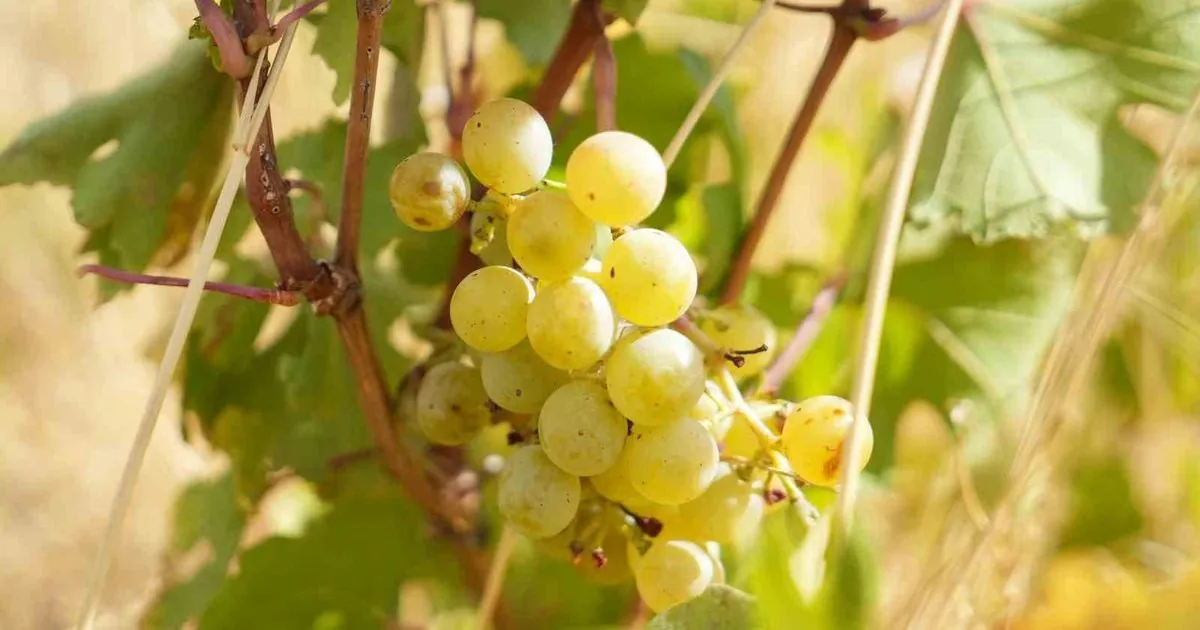
The historic Muş grape, with origins dating back to the Hittites and Urartians, awaits protection and support from the Ministry of Agriculture and Forestry due to shrinking vineyard areas and the threat of being forgotten.
The viticulture culture with a deep-rooted history of thousands of years in Muş, along with its indigenous grape varieties, has faced the threat of extinction due to socio-economic changes over time. Serkan Gülesmer, a master's student conducting extensive research on the region's grape genetic resources, stated that the Muş grape's place in viticulture history dates back to the Hittite period and saw significant development during the Urartian era. He highlighted that ancient civilizations had specific articles in their agricultural laws for the protection of vineyards.
The grapes grown in the region, with their juicy texture and rich aromas, hold an important place in both table consumption and the production of traditional products. Master's Student and Researcher Serkan Gülesmer, describing the rich grape diversity and usage areas in the region, made the following statements:

Gülesmer stated that the region's viticultural potential is reflected in historical records, mentioning that Evliya Çelebi, who visited the region in the 17th century, praised the fame of Muş grapes and their export to surrounding geographies in his Seyahatname (Book of Travels). Touching upon migration waves and the movement of varieties across borders during the historical process, Master's Student and Researcher Serkan Gülesmer continued his words:
While Ottoman-era archive records indicate the presence of 24,000 registered vineyards across Muş, it is noted that this number has significantly decreased today. Master's Student and Researcher Serkan Gülesmer emphasized that ancient vineyards have largely disappeared due to population movements and the abandonment of lands, summarizing the situation with the following words:
The necessity of agricultural incentives is emphasized for the protection of viticulture activities currently carried out in limited areas such as Mehmetcan, İncebel, Kale, Karaağaç, Mongok, Pamukluk, and Çiriş. Producers and researchers demand that special protection and support projects be implemented by the Ministry of Agriculture and Forestry to preserve the centuries-old local genotypes, increase sapling production, and transform the Muş grape back into an economic asset.
Number of Registered Historical Vineyards in Muş
Source: Osmanlı arşiv kayıtları / Serkan Gülesmer · Period: Osmanlı dönemi
- Ottoman period
- 24,000 pieces