


The Whisper of the Soil: Regenerative Agriculture and the Future of Food Security
· Prof. Dr. Kemal Şahin
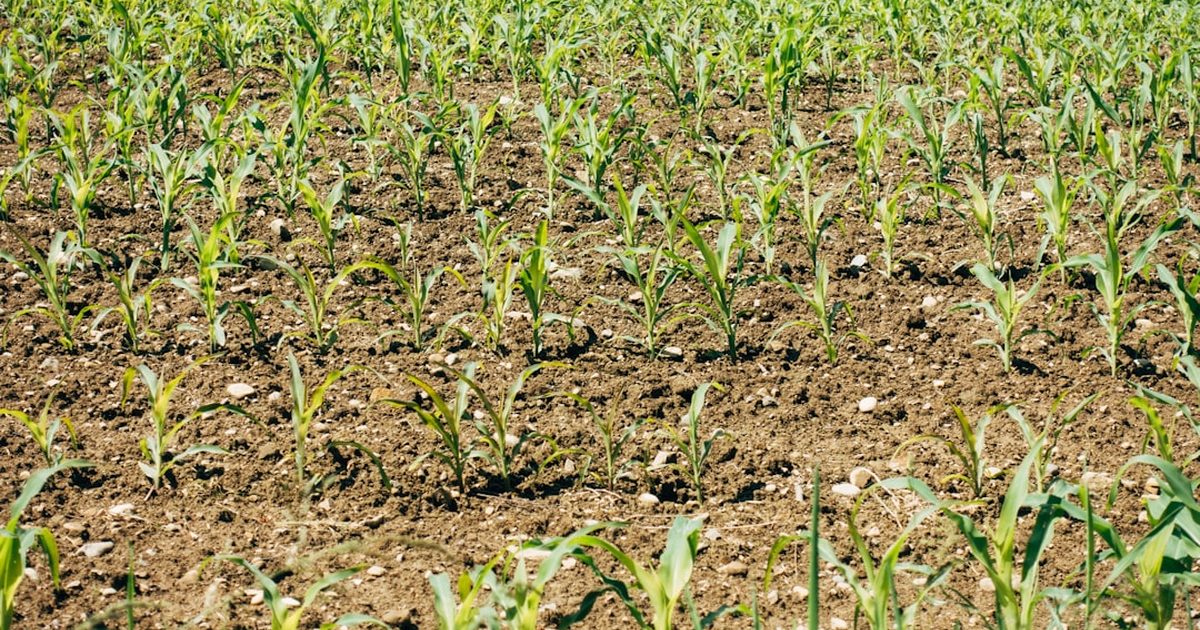
Facing the environmental devastation caused by industrial agriculture and the climate crisis, the future of food security lies in regenerative agricultural practices. This column explores the philosophy, benefits, and challenges of regenerative agriculture, which centers on soil health, restores ecosystems, and adopts sustainability as a core principle, offering a visionary roadmap for our national agricultural strategies.
Dear readers, agriculture has been the cornerstone of our existence and civilization throughout human history. However, the industrial agricultural practices of the modern era, in their pursuit of efficiency, have unfortunately deeply wounded our soil, water, and biodiversity. The intensive use of chemical fertilizers and pesticides, coupled with the widespread adoption of monoculture farming, has depleted the organic matter that is the lifeblood of the soil, turning it into a lifeless means of production. Today, as we confront the devastating effects of climate change, a growing population, and rapidly diminishing resources, the future of our food security appears more fragile than ever.
In the face of this grave situation, we urgently need an approach that goes beyond the concept of "sustainable" to become "regenerative." Regenerative agriculture aims not only to halt environmental damage but also to actively repair and restore degraded ecosystems. It is founded on the philosophy that soil is a living organism. By prioritizing soil health, it enhances the soil's carbon sequestration capacity, improves the water cycle, enriches biodiversity, and ultimately strengthens our climate resilience.
So, what does regenerative agriculture promise us? Firstly, by increasing the soil's organic matter content, it prevents erosion, boosts water retention capacity, and makes it more resilient to drought. This is of vital importance, especially for countries like ours that experience water stress. Secondly, by reducing dependence on chemical inputs, it lowers farmers' costs and ensures long-term economic sustainability. Thirdly, produce grown in healthy soil is more nutritious, directly contributing to public health. Finally, regenerative practices play a significant role in combating climate change by reducing greenhouse gas emissions; they effectively transform the soil into a giant carbon sponge.
However, this visionary journey also presents significant obstacles that must be overcome. The transition to regenerative agricultural practices can initially involve a lack of knowledge, a need for training, and financial risks for farmers. While traditional agricultural subsidies often focus on industrial models, mechanisms to support regenerative practices are not yet sufficiently developed. Consumer awareness and market demand are also factors influencing the speed of this transformation.
As Turkey, we must reshape our national agricultural strategies to embrace this new paradigm. Firstly, we should invest in R&D for regenerative agriculture, developing practices suitable for local conditions. Secondly, we must establish comprehensive training and extension programs for our farmers, disseminating successful examples through pilot farms. Thirdly, we should offer financial incentives, low-interest loans, and carbon credits to farmers transitioning to regenerative practices. Fourthly, we must encourage the creation of markets for regenerative products, promote "regenerative" labeling, and guide consumers towards these products. Finally, we must integrate our water management policies with the water conservation principles of regenerative agriculture.
Let us remember that food security is not merely about producing enough food, but also about producing this food without destroying ecosystems and without usurping the rights of future generations. Listening to the whisper of the soil promises us not only more abundant harvests but also a healthier planet and a more resilient future. Regenerative agriculture is not an option; it is an inevitable necessity for our planet and humanity. Embracing this vision will be one of the most strategic steps Turkey can take in its food policy.