


Critical Pre-Winter Maintenance Period Begins in Vineyards
· TarımTR
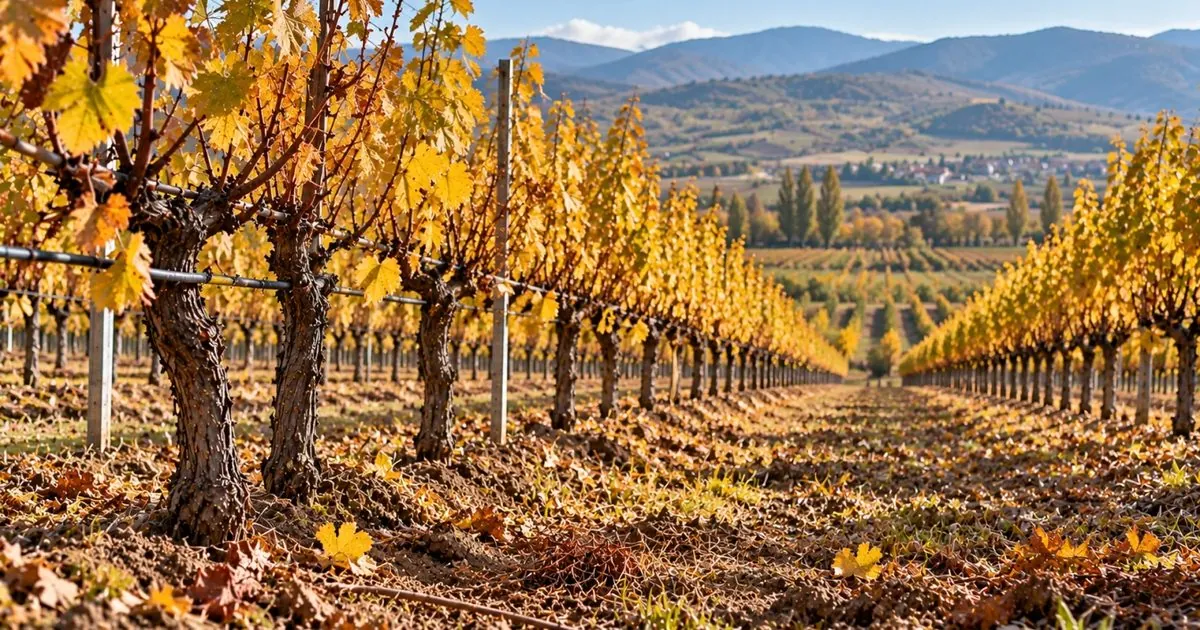
Following the grape harvest, the autumn and winter maintenance process, which will determine the yield potential for the next season in vineyards, has officially started, with expert institutions warning producers to act based on schedules and analyses.
Critical Period in Vineyards After Harvest
With the completion of the grape harvest, the autumn maintenance process, which determines the yield potential for the next season in vineyard areas, has officially begun. After the grape harvest, producers' priority should be to thoroughly examine the overall condition of the vines rather than abandoning the field to fate. In the farmer's calendar of the Isparta Provincial Directorate of Agriculture and Forestry, soil cultivation, farmyard manure applications, and weed control are prioritized in areas where harvesting is completed in September and October. In November and December, thinning and pruning operations are planned according to the condition of the vine. Regional climate differences are the main determinant of the maintenance calendar.
Observation Against Diseases and Pests
As preparations are made for the new season in vineyards, the trunks, arms, shoots, and leaves of the vines should be carefully observed. Abnormal color changes under the bark of the trunk, drying arms, and canker-like wounds must be meticulously identified. It should not be forgotten that disease-causing agents can overwinter on the vines or in fallen plant debris. Applying the same intervention to every vine showing disease symptoms arbitrarily is not the correct method. Producers should use plant protection products only according to diagnosed problems and in line with the registered recommendations of authorized institutions.

Depth and Moisture in Soil Cultivation
Soil cultivation in the autumn months contributes to loosening the compacted soil structure during the production season and storing winter rainfall in the soil. The technical guide prepared by the Erzincan Provincial Directorate of Agriculture and Forestry emphasizes that autumn soil cultivation provides these physical benefits. However, excessively deep plowing can cause serious damage to the shallow root system of the vines. Working overly wet or muddy soil also disrupts the soil structure. Therefore, the moisture status, vine age, and equipment depth must be carefully selected.
Balanced Fertilization Strategy Based on Analysis
The use of farmyard manure and similar organic soil conditioners is among the most frequently discussed applications in the post-harvest period. However, each vineyard's soil structure, pH balance, and organic matter needs have entirely different dynamics. The Erzincan Provincial Directorate of Agriculture and Forestry states that soil and leaf analyses conducted in a laboratory setting are essential for determining the type and dosage of fertilizer. Habitually using excessive fertilizer without analysis increases costs and negatively affects the chemical balance between soil elements.
Winter Pruning: Climate and Timing
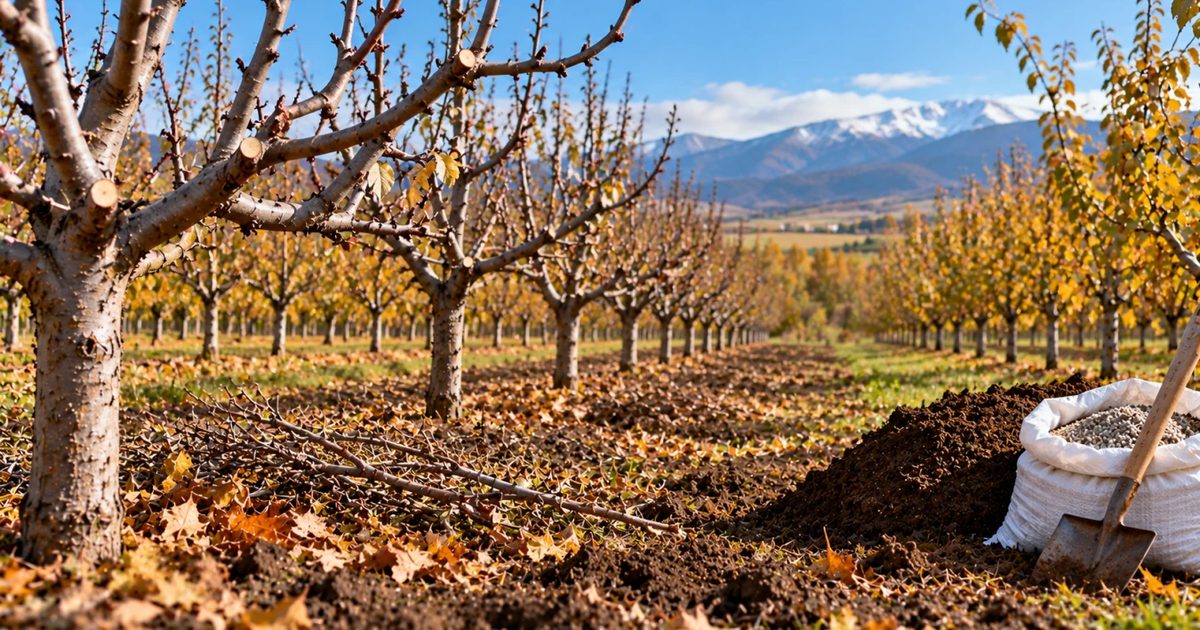
Starting harsh winter pruning uncontrollably on vines immediately after harvest is not considered correct from a plant physiology perspective. In the practical viticulture publications of the Tekirdağ Viticulture Research Institute, pruning is stated to be the most fundamental technical operation that establishes the growth and yield balance of the vine. The pruning period should be planned from after leaf fall, when the vine enters its full dormancy phase, until the buds awaken in spring. In regions where late spring frosts pose a risk, the pruning calendar must be delayed, and the recommendations of local agricultural organizations must be meticulously followed.
Conscious Winter Management with Institute Recommendations
A significant portion of vineyard diseases and pests overwinter in a dormant state on the vine trunk or in dried leaf litter. Therefore, cleaning and monitoring infection sources in the vineyard before winter is of great importance. However, unnecessary chemical spraying based on a calendar schedule leads to environmental and economic disadvantages. The Tekirdağ Viticulture Research Institute regularly shares the appropriate periods and conditions for winter spraying. Producers must base their actions on official warnings and label instructions.
Maintenance Plan to Reduce Input Costs
The autumn and winter maintenance period is also a strategic cost planning phase where producers can correctly manage their agricultural expenditures for the new season. Repeating all maintenance operations in the same pattern every year instead of acting according to need leads to savings. Adhering to soil analysis results and conducting pest control only for identified diseases prevents unnecessary input costs. Practices that take into account climatic conditions, altitude, and the overall development level of the vineyard prepare the producer for the spring season in a much more advantageous way.