


The Paradox of Digitization in Rural Areas: Opportunities and Inequalities
· Doç. Dr. Ayşe Gündüz
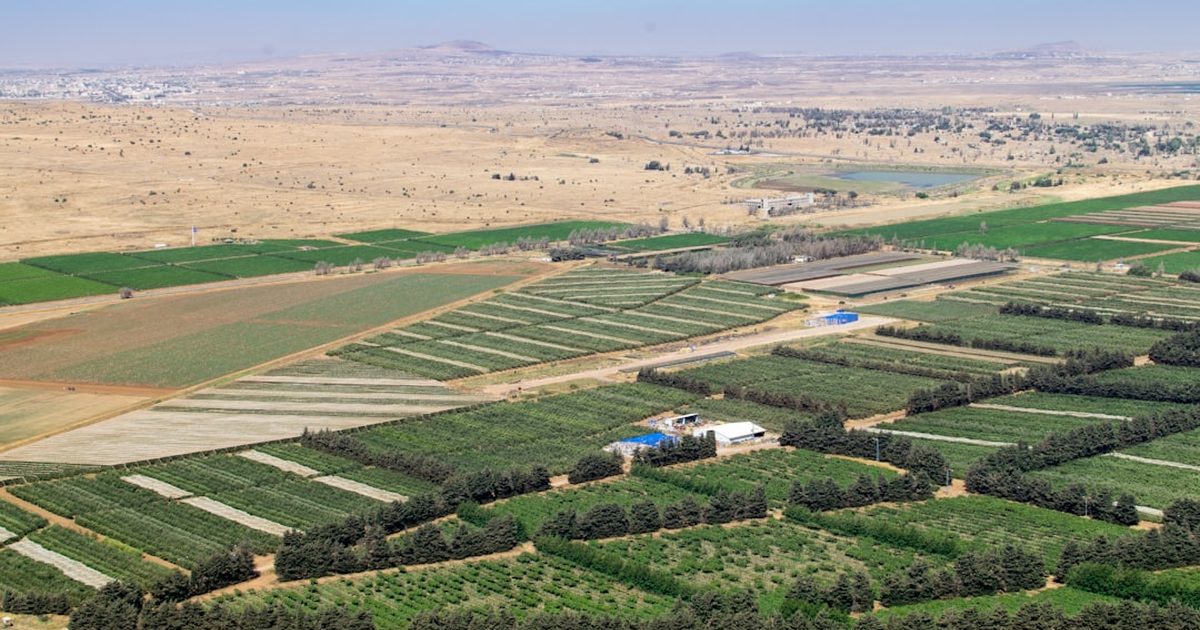
While digitization offers immense opportunities for rural development and agriculture, it also brings significant inequalities. This column analyzes the potential of digitization in rural areas, the challenges faced by small farmers, and the critical role of cooperatives in this process. Policy recommendations for an inclusive digital transformation are presented.
Dear Readers,
In today's world, the wind of digitization is sweeping through every sector, from cities to villages, from industry to agriculture. For the agricultural sector, this wind appears both as a promise of fertile rains and a force with the potential to create hurricanes. As an academic deeply concerned with fundamental issues such as rural development, farmer welfare, and food security, I believe it is all our responsibility to delve deeply into the paradox that digitization creates in rural areas.
The opportunities digitization offers to agriculture are undeniable. Smart farming applications, sensors, drones, and artificial intelligence-supported systems provide our farmers with unprecedented precision and efficiency in areas such as soil analysis, water management, disease detection, and yield prediction. Thanks to e-commerce platforms, our farmers can market their products directly, reach wider audiences, and more easily find the value they deserve. Remote education and knowledge-sharing platforms, on the other hand, close the knowledge gap in rural areas, making it easier for farmers to adapt to modern agricultural techniques. In short, digitization has the potential to make agriculture a more sustainable, profitable, and attractive sector.
However, behind this bright picture, there are shadows we cannot ignore. Digitization carries the risk of bringing significant inequalities. Inadequate internet infrastructure in rural areas, high technology costs, lack of digital literacy, and capital scarcity for small-scale farmers are the biggest obstacles to their equitable access to these opportunities. While large-scale enterprises easily adapt to technology, small farmers are left out of the digital transformation, losing their competitive edge and even facing the threat of exclusion from the system. This situation is a paradox that has the potential to deepen rural poverty and accelerate migration.
So, how can we overcome this paradox? This is precisely where the power of cooperativism comes into play. Cooperatives can enable small farmers to collectively access technology and knowledge that they cannot individually. Through activities such as joint technology purchases, organizing digital training programs, establishing common e-commerce platforms, and creating data-sharing pools, cooperatives can play a key role in bridging the digital divide. Thanks to strong cooperative structures, farmers can minimize the risks brought by digitization while maximizing opportunities. Thus, digitization can transform into an inclusive transformation that serves the welfare of all farmers, not just a handful of large enterprises.
It is also essential for the state and relevant stakeholders to play an active role in this process. Strengthening broadband internet infrastructure in rural areas, creating financial support mechanisms for digitization, expanding practical digital literacy training for farmers, and supporting cooperatives in their digitization processes are of great importance. Furthermore, establishing transparent policies on data security and ethical use will ensure that farmers approach digitization with confidence.
Let us remember that rural development is possible not only through economic growth but also through the principles of equality, justice, and sustainability. When approached with the right policies and inclusive strategies, digitization can be a leverage that strengthens our rural areas, brings smiles to our farmers' faces, and guarantees our food security. Otherwise, this powerful wind could further disrupt the already fragile balances of rural areas, causing difficult-to-heal wounds. As we build the agriculture of the future, ensuring that the benefits of digitization reach all our farmers fairly is our most fundamental duty.
Sincerely,
Assoc. Prof. Dr. Ayşe Gündüz