


FAO Releases Global Agricultural Trade Report
· FAO
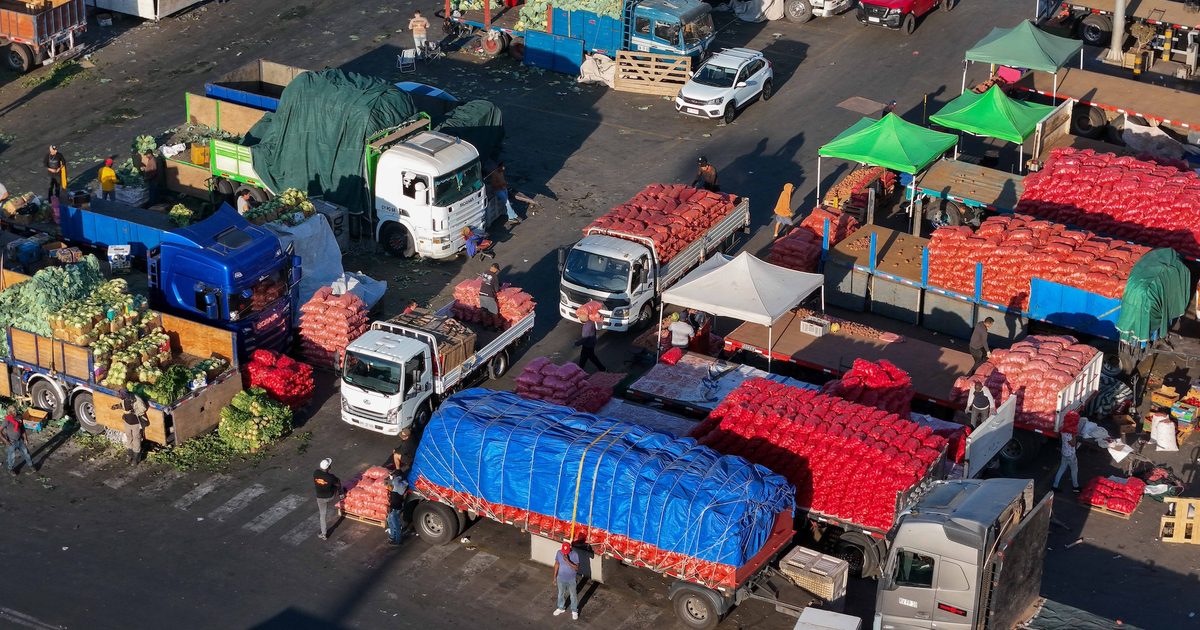
The UN Food and Agriculture Organization (FAO), in its SOCO 2026 report, stated that global agricultural trade has reached $2 trillion, highlighting the importance of open trade against climate shocks.
Resilience in Agricultural Trade Report Released
The United Nations Food and Agriculture Organization (FAO) has announced the role of global food trade during crisis periods by publishing its "The State of Agricultural Commodity Markets (SOCO) 2026" report. According to FAO's assessment, open trade mechanisms facilitate countries' access to food during periods when climate-induced shocks like drought and floods hit production. The institution's analysis stated that international trade networks serve as a safety valve in preventing hunger risks, contrary to the pursuit of absolute self-sufficiency in food.
Fivefold Growth in Agricultural Trade Volume
According to FAO data, the volume of global agricultural and food trade, which was around $400 billion approximately 25 years ago, has reached approximately $2 trillion as of 2024. The institution reported that the underlying reasons for this fivefold growth include decreasing transportation costs, global income increases, and changes in dietary habits due to urbanization. It was also stated that the favorable policy environment offered by bilateral and regional trade agreements has accelerated food flows.
Expansion of Network in Bilateral Trade Links
According to findings in the report, global agricultural trade is no longer controlled by a few dominant actors, and the weight of middle-income countries in trade is increasing. FAO's figures show that the utilization rate of potential bilateral trade links that can be established in food and agricultural products worldwide has increased from 47% in 2000 to 60% today. The institution emphasized that the global supply network has achieved a much more balanced structure compared to the past with the development of regional trade hubs.
Risk of Geographical Concentration in the Grain Market
FAO pointed out that despite diversification in general agricultural products, the grain market continues to be concentrated in specific geographies. According to the report, the production and export of staple products such as wheat, corn, and rice are held by a few countries due to land availability and climate conditions. Stating that these three staple grain products meet 40% of global calorie needs, FAO reported that a weather shock in a producing country could directly affect global food security.
Impact of Agricultural Shocks on Markets
FAO noted that global trade networks quickly transmit production shocks to other regions, and announced that these same networks also provide aid and supply flows at the same speed. It was stated that when production is disrupted in one region, trade routes quickly adapt, alternative routes come into play, and new suppliers are integrated into the system. The institution's report concluded that even the largest supply crises are temporary under properly functioning market conditions.
Rapid Recovery Power of Agricultural Markets
The findings in FAO's SOCO 2026 report revealed that international agricultural markets are much more resilient than previously thought. It was recalled that trade flows recovered quickly even during unforeseen global crises like the COVID-19 pandemic. The institution's assessment stated that markets have a high capacity to balance food prices and maintain product availability by redistributing resources among regions.
Policy Warning Against Export Restrictions
FAO's analysis emphasized that policy decisions made by governments during crisis periods are as critical as market structure. It was stated that sudden export bans and restrictive measures escalate the effects of shocks, driving up global food prices and increasing the threat of hunger. The institution called for the preservation of international cooperation, increased transparency, and the unimpeded flow of food against upcoming new climate and drought shocks.