


TMO Increases District Yield Ratio in Hazelnut Purchases
· TMO
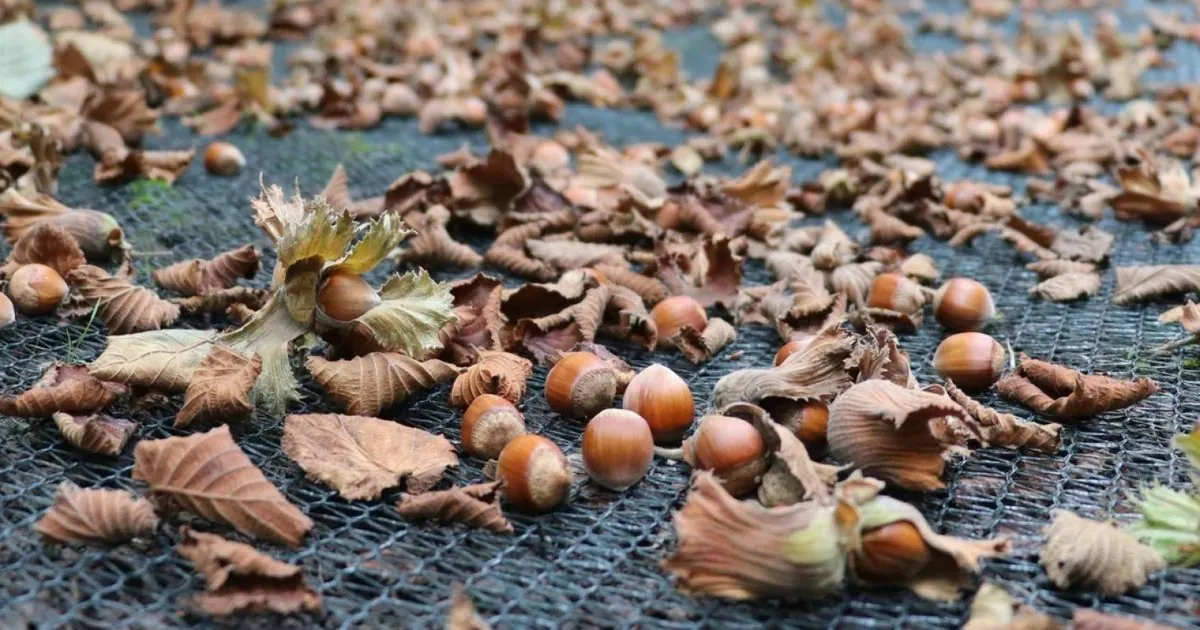
The Turkish Grain Board (TMO) has raised the district yield average increase rate in shelled hazelnut purchases to 30%, expanding quota limits for high-yield producers.
The Turkish Grain Board (TMO) has announced new regulations concerning producers as part of its shelled hazelnut purchasing activities for 2026. According to the TMO's statement, the increase rate in district yield averages, commonly referred to as quotas, has been raised to 30%. The institution recalled that these averages, determined in line with the work of yield estimation commissions, were previously increased by 20%. The latest update aims to prevent producers who achieve high yields in their orchards from facing grievances due to quota restrictions.
According to the purchasing principles published by the institution, in regions where the district yield average is below 100 kg/ha, the amount of hazelnuts producers can deliver to the institution will be completed to the 100 kg/ha level. According to TMO data, products of producers whose district yield average is entered as over 160 kg/ha in the Farmer Registration System (ÇKS) will continue to be purchased directly based on the registered amount in ÇKS. Thus, it is aimed to establish a standard balance in delivery quotas for producers in regions with different yield ranges.
According to the TMO's statement, the shelled hazelnut purchasing organization, which started on August 24 at 17 points, has been expanded to 55 purchasing points and 75 teams. While over 5,000 tons of appointments are given daily at the purchasing centers, the actual purchase volume exceeds 4,000 tons daily. According to the announced TMO data, approximately 100,000 producers have created appointments for a total of 205,000 tons of product to date. It was reported that producers can get appointments for the same day in many centers.
TMO has allowed hazelnut deliveries to be made by proxy through first and second-degree relatives for producers who leave their hometowns after the harvest. The statement also recalled that the rotten kernel tolerance against the brown marmorated stink bug pest was increased from 3% in 2022 to 5%, and to a maximum limit of 7% in 2024. TMO noted that the increase in the rotten rate could negatively affect the quality and value of sound products during long-term storage, and stated that it would stand by the producers during the purchasing process.
| Value | Period | Measure |
|---|---|---|
| 30% | 2026 | District yield average increase rate |
| 20% | — | Previous yield average increase rate |
| 100 kg/da | 2026 | Base yield delivery limit |
| 160 kg/da | 2026 | ÇKS upper yield threshold |
| 17 units | 2026 | Number of initial purchase points |
| 55 units | 2026 | Number of current purchase points |
| 75 units | 2026 | Number of teams assigned to purchases |
| 5000 tonnes | 2026 | Daily appointment capacity |
| 4000 tonnes | 2026 | Daily actual purchase amount |
| 100000 people | 2026 | Number of producers making appointments |
| 205000 tonnes | 2026 | Total amount of hazelnuts for which appointments have been made |
| 3% | Before 2022 | Moldy kernel limit before 2022 |
| 5% | 2022 | Moldy kernel limit for 2022 |
| 7% | 2024 | Maximum moldy kernel limit for 2024 |