


Strait of Hormuz Crisis Hits Global Fertilizer Supply
· IFPRI
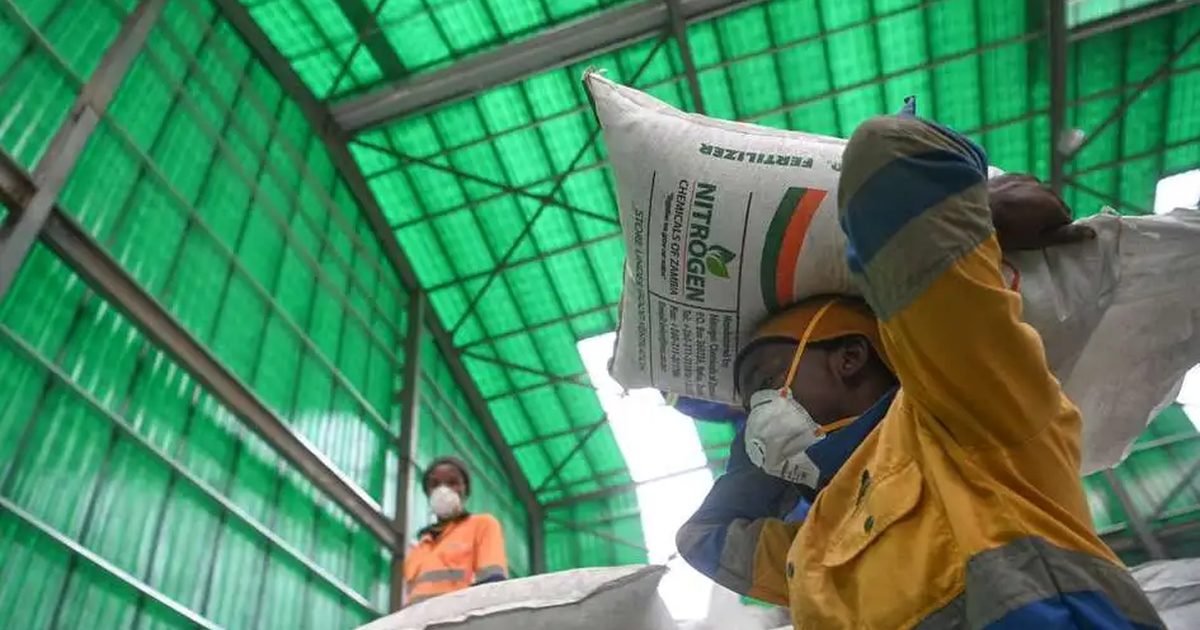
The de facto closure of the Strait of Hormuz has halted fertilizer exports from the Middle East, escalating global agricultural input costs and triggering the risk of a new food crisis.
Impact of the Strait of Hormuz Crisis on Fertilizers
The tensions in Iran and the de facto closure of the Strait of Hormuz have severely shaken the supply chains for chemical fertilizers and energy, which are pillars of agricultural production. Chemical fertilizer prices, which strengthened at the beginning of 2026 due to the spring planting season in the Northern Hemisphere, have rapidly climbed with the closure of the strait. According to AMIS data, urea prices, the most fundamental nitrogen source for global markets, have approximately doubled in just a few weeks. Although markets found some relief in May with China lifting its export restrictions, the continued closure of the maritime corridor maintains upward pressure on fertilizer prices.
Suspension of Gulf Shipments and Supply Contraction
The Middle East, which accounts for about one-third of global urea exports, is experiencing one of its biggest logistical crises due to ongoing conflicts. Data shared by Welthungerhilfe indicates that approximately 3.9 million tons of fertilizer exports from Gulf countries have been suspended since late February 2026. This suspended shipment volume represents 30% of the total annual export volume of the Gulf countries. With stocks in facilities at risk of rapid spoilage due to high temperatures and humidity, factories are being forced to reduce their production capacities.
Risks at Production Facilities and Raw Material Surge
The crisis has not only affected logistics routes but has also directly driven up production costs at factory sites. The sharp surge in natural gas and ammonia prices has directly increased urea production costs, while phosphate producers have faced a severe sulfur bottleneck. AMIS records show that a massive 40% to 45% of the world's sulfur exports were supplied from this region. Furthermore, with Saudi Arabia holding a 20% share of global phosphate supply, combined with military risks in Bahrain, Qatar, and Iran, it is estimated that reopening production facilities will take five to eight weeks.
Divergence Between Grain Supply and Input Costs
The current situation presents distinct differences from the food crises experienced after the 2020 pandemic and the 2022 Russia-Ukraine war. According to FAO Food Price Index indicators, there has not yet been a global disruption in grain supply as the Middle East region is not a major direct grain producer. However, biofuel demand and oil costs have driven up vegetable oil prices. The primary danger lies in the excessive rise of input costs, including irrigation energy, transportation, financing, and fertilization, forcing farmers to use less fertilizer, thereby risking future crop yields.
Fertilizer Alarm in Brazilian and Indian Agriculture
The risk of physical scarcity in the fertilizer market is affecting the world's leading agricultural producers in different ways. According to the Welternährung bulletin, Brazil, which is dependent on fertilizer imports, directly procures a significant portion of its fertilizer needs, around 40%, through the Strait of Hormuz. Following the outbreak of the conflict, local fertilizer prices in Brazil increased by 35% in just two weeks. Similarly, while India has secured its summer planting season, it faces a critical bottleneck for the winter season due to its dependence on urea and natural gas sourced from the Middle East.
Planting Season Risks in Africa and the Americas
Producers in North America and Sub-Saharan Africa are also on alert for increasing supply risks during the upcoming planting seasons. Although farmers in the United States have completed their spring planting, serious supply and price shortages are anticipated for fall fertilizer applications if the crisis prolongs. Sub-Saharan African countries, particularly in East Africa, are in a much more vulnerable position, as they procure one-third of their fertilizer needs directly from the Gulf region. Smallholder farmers in these regions face the risk of being unable to fertilize their fields due to high transportation costs.
Severe Profitability Crisis for Farmers
The surge in agricultural input prices, without a corresponding rapid increase in the prices of harvested staple food products, has plunged producers into a severe financial predicament. According to AMIS fertilizer-to-product price ratio analyses, the excessive rise in urea costs relative to rice, wheat, corn, and soybean prices has completely eroded farmers' ability to access fertilizer. Many producers are forced to reduce the amount of fertilizer applied per unit of land due to shrinking profit margins. The decrease in input usage clearly indicates that global yield losses will occur in the upcoming harvest seasons, leading to a decline in food production.
Crisis Prolongation Scenarios and the 2028 Risk
International experts are preparing various projections for market recovery times. It is emphasized that even if conflicts completely cease by mid-June 2026, it will take until the end of 2026 for fertilizer markets to return to their normal balance. A more pessimistic market analysis published by Arita and colleagues warns that if restrictions in the Strait of Hormuz continue, the fertilizer supply crisis could extend until 2028. Potential structural damage to facilities and disruptions in logistics routes are considered structural problems that could take many years to rectify.
Government Support and Efficiency Actions
Governments worldwide are implementing action plans to mitigate the impact of the fertilizer bottleneck on crop yields. The U.S. Department of Agriculture has launched programs to increase domestic fertilizer production capacity and support practices that reduce chemical use. Similarly, the European Union's Fertilizers Action Plan aims to provide direct financial support to farmers and promote conservation agriculture methods that enhance fertilizer efficiency. In contrast, low-income countries face significant challenges in providing the necessary direct subsidies to their farmers due to budget constraints.
Consumer Prices and Food Inflation Pressure
The disruption in agricultural inputs and logistics routes is directly reflected in consumer prices as an inflationary wave. According to OECD and IMF data, consumer price indices in high-income economies have increased by approximately 2.5% since the beginning of the crisis, bringing annual inflation to 4.2%. In low and middle-income countries, the consumer price index recorded a 3.6% increase, pushing the average annual inflation to 7.8% in April. Rising energy costs are making shelf-life protection difficult, also threatening the food security chain.
Double Dollar Pressure Hits Importing Countries
Poor countries dependent on food imports are facing a financial shock described as double dollar pressure in international markets. Commodity prices have increased in dollar terms due to geopolitical tensions, while the strengthening of the US dollar against other local currencies has doubled the bill. The fact that households in low-income countries spend approximately 50% of their total income on food means that every price increase directly erodes purchasing power. Furthermore, major producing countries turning to export bans to protect their domestic markets further escalates risks for importing countries.
Humanitarian Corridors and Hunger Risk
International humanitarian organizations and communities on the brink of starvation are paying the heaviest price for the global supply crisis. According to a report by the Global Network Against Food Crises (GNAFC), approximately 300 million people worldwide were struggling with acute high food insecurity as of 2025. The reduced purchasing power of aid organizations due to rising fuel and commodity prices has significantly decreased the volume of food aid packages distributed. It is stated that if the Hormuz route does not open, hundreds of millions of vulnerable people will face an undernutrition crisis.