


Global Grain Geopolitics and the Agflation Spiral: A New Equilibrium from Field to Exchange
· Dr. Tarık Yılmaz
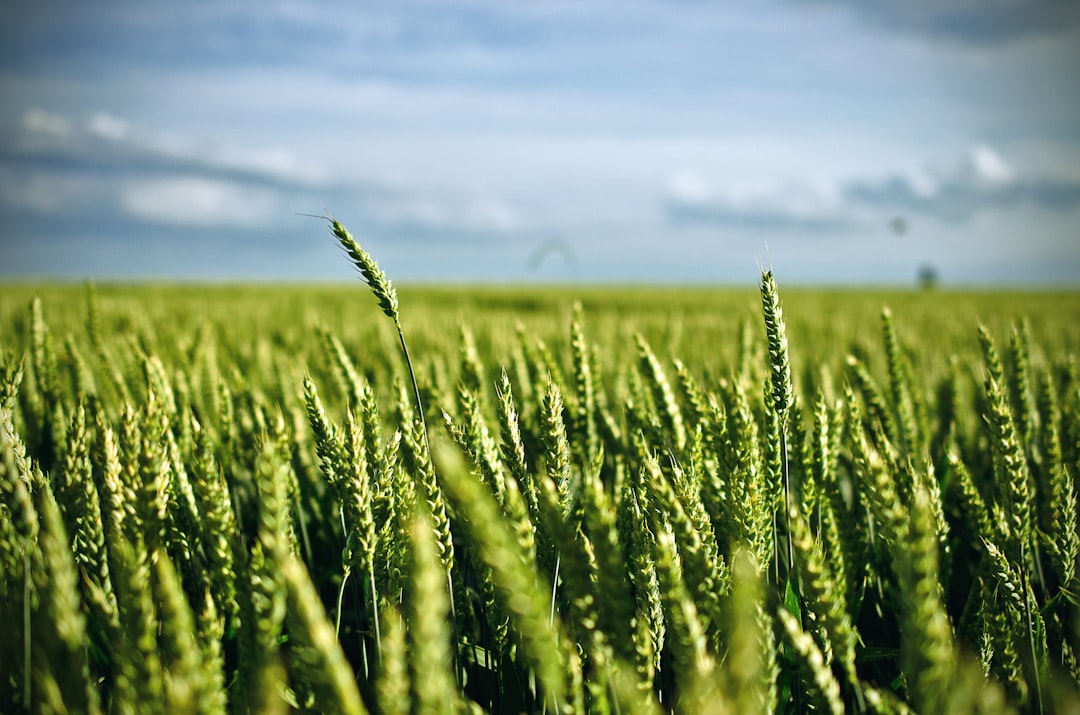
Global agricultural commodity prices are being reshaped not only by climate anomalies, but also by fractured trade routes and structural protectionism. In this column, we dissect the macroeconomic dynamics of the deepening agflation spiral and the rising strategic weight of the Southern Hemisphere.
The global agricultural architecture, erected in the final quarter of the last century upon cheap energy, liberalized trade, and seamless logistical corridors, currently represents one of the most fragile frontiers of our multipolar world. From futures contracts on the Chicago Board of Trade (CBOT) to freight differentials in the port of Rotterdam, every indicator suggests that food supply has ceased to be a mere yield calculation, evolving into a critical macroeconomic security parameter.
As major central banks navigate the delicate endgame of their disinflationary cycles, the most insidious threat to core stability remains 'agflation'. The extreme structural reliance of synthetic fertilizer on natural gas markets, geopolitical concentrations in phosphate and potash supply chains, and maritime bottlenecks spanning from the Red Sea to the Panama Canal have locked farm-level input costs into an elevated baseline. This cost rigidity impedes bumper harvests from genuinely translating into consumer price relief.
Concurrently, the gravitational center of global grain trade is decisively shifting toward the Southern Hemisphere. Brazil's relentless capacity expansion across the Cerrado basin and its aggressive logistics overhaul are recalibrating traditional North American dominance, while persistent risk premiums in the Black Sea maintain wheat markets in a chronic state of volatility. Simultaneously, China's sovereign strategy of maintaining record-high grain reserves continues to artificially tighten global stock-to-use ratios.
Ultimately, the global agricultural economy has transitioned from a market-driven commodity sphere into a primary arena of geo-economic statecraft. Ensuring sovereign food resilience is no longer strictly an agronomic task; it demands sophisticated foreign exchange hedging, aggressive input diversification, and an astute reading of hydrological geopolitics.