


New Medium-Term Program Prioritizes Food Supply Security in Agriculture
· Anadolu Ajansı
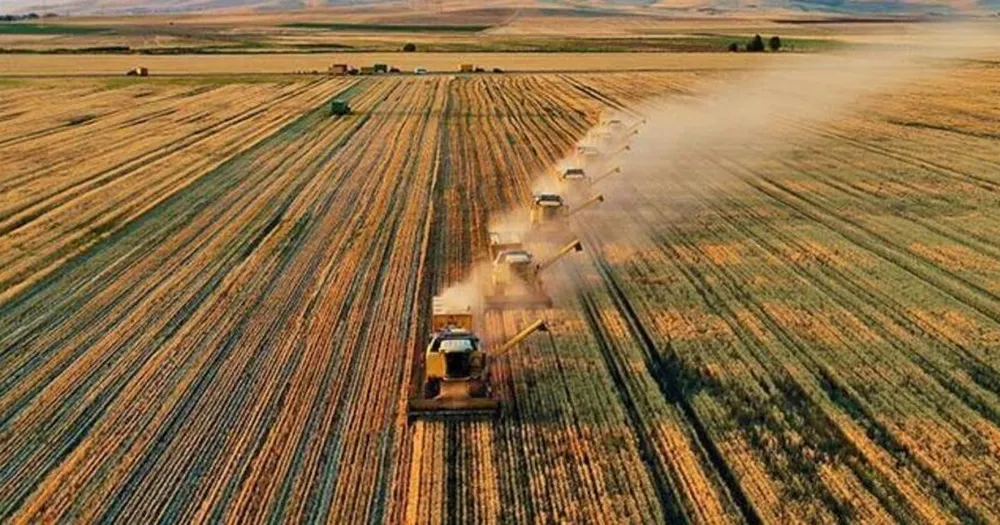
The new Medium-Term Program (OVP) introduces a new policy framework that centers not only on increasing agricultural harvest yields but also on sectoral resilience against the climate crisis and external shocks.
Food Supply Security and Resilience
The new Medium-Term Program (OVP) has laid out a new framework that protects the sector against external shocks while preserving production planning and efficiency targets in agricultural policies. For the first time within the program, a separate section has been opened under the heading 'Enhancing Food Supply Security and Agricultural Resilience'. Turkey's medium-term agricultural vision has set as a primary priority not just increasing the total harvest volume, but also making production processes more resilient against the climate crisis and supply disruptions.
Domestic Capacity in Strategic Inputs
One of the most critical regulations introduced by the program is the strengthening of domestic production capacity for essential agricultural inputs such as fertilizers, plant protection products, and vaccines. This policy, aiming to ensure supply security in strategic agricultural inputs, seeks to relieve producers from the pressure of rising exchange rates and global input costs. With the implementation of investments that will reduce foreign dependency, the medium and long-term resilience of agricultural production against international shocks is planned to be increased.
Artificial Intelligence and Technology in Agriculture
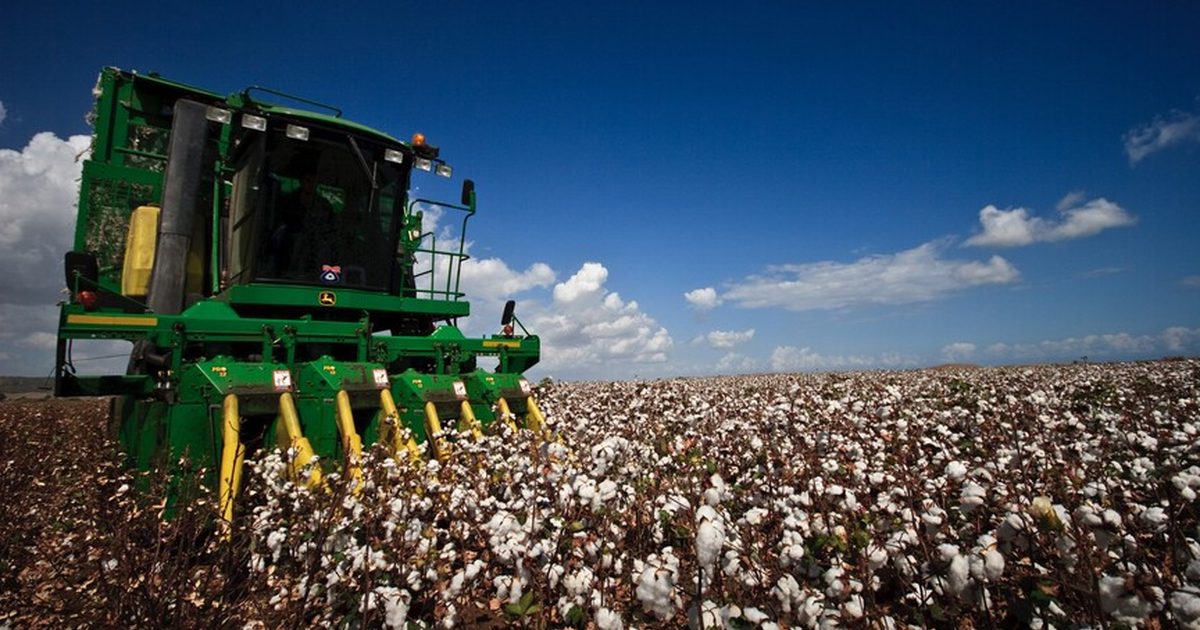
Artificial intelligence and precision agriculture technologies, directly included in the new policy document, have been placed at the center of agricultural production decisions. During the period in question, digitalization efforts will be widespread to enable real-time monitoring of production fields and to make yield and harvest forecasts. Furthermore, farmers' decision-making processes will be supported by enabling the early detection of diseases and pests. Thus, technology will transform beyond mechanization into a strategic tool directly focused on yield in agriculture.
Adaptation to Climate Change and Breeding
Within the framework of adaptation to climate change, restorative production models that protect soil health, increase water use efficiency, and support carbon sequestration have been prioritized. R&D activities aimed at protecting and improving domestic plant and animal genetic resources will be accelerated. The development of high-yield seed varieties resilient to the climate crisis and animal genetic materials with high international competitiveness has been structured as a strategic safeguard against global supply risks.
Price Monitoring and Production Planning
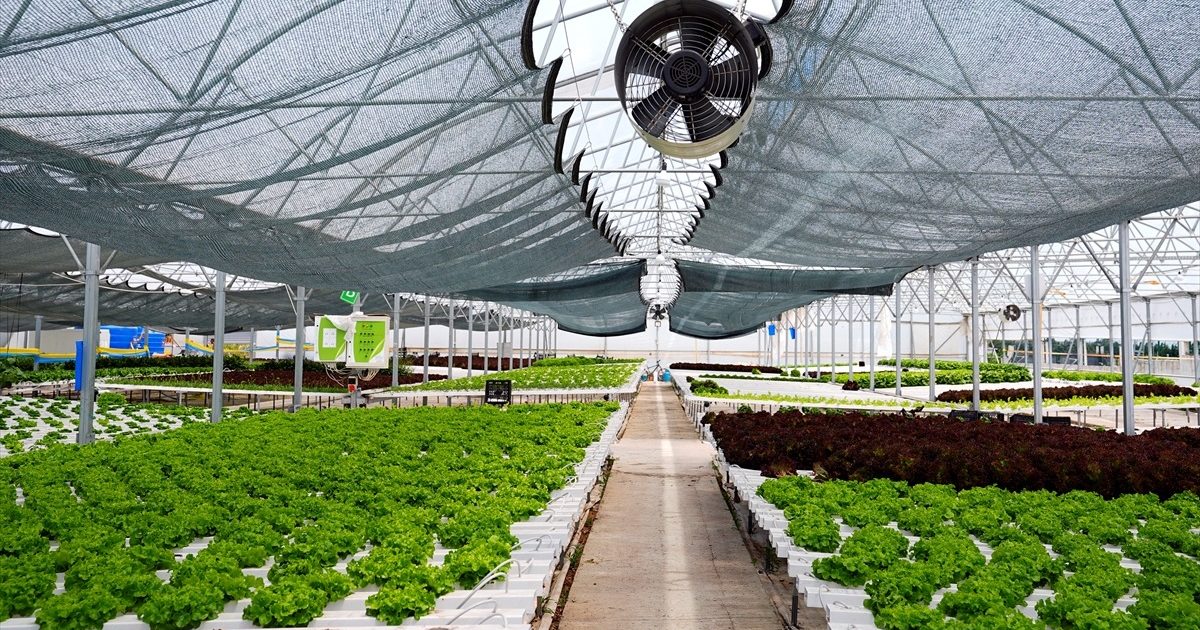
Supply-demand balances in food and agricultural products, import movements, and fluctuations in the logistics chain will be closely monitored with an early warning approach. Thanks to this early warning system, potential market fluctuations will be detected in advance, rather than intervening after price increases occur. With the data infrastructure updated in line with the results of the general agricultural census, the agricultural inventory will be clarified, ensuring that production planning is carried out in full compliance with resource efficiency and climate risks.
Contract Farming and Industrial Integration
In the OVP covering the 2027-2029 period, contract farming has been restructured to predictably meet the raw material needs of the industry. The conversion of by-products and waste generated in agricultural industrial processes into value-added products will be encouraged. Organized Agricultural Regions with geothermal and renewable energy infrastructure will be expanded, strengthening production, processing, and logistics integration. Thus, the added value of the agricultural industry will be increased, generating higher economic returns from each unit of production.
Medium-Term Program Coverage Period
Source: OVP · Period: 2027-2029
- Program Period
- 2027-2029 Year