


Research: Mulberries May Shape Gut Flora and Metabolism
· ScienceDaily Beslenme
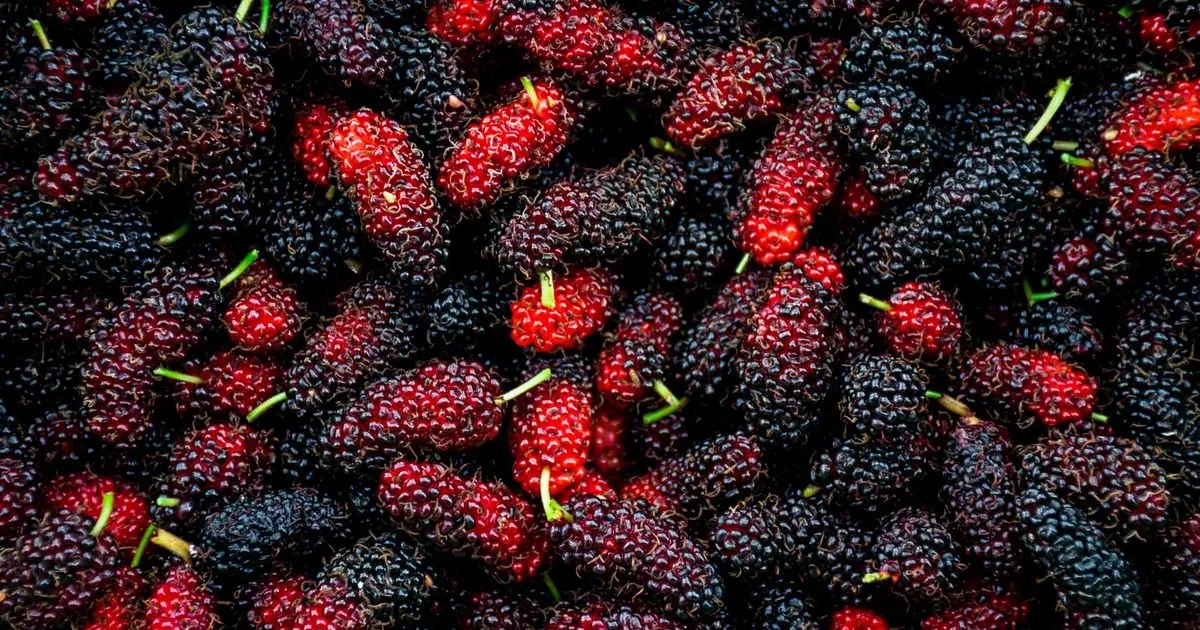
A scientific review by the Medical University of Wroclaw revealed that bioactive compounds found in the mulberry plant can positively influence gut microbiota and metabolic processes.
Mulberry and Gut Microbiota Relationship
A comprehensive review study conducted by researchers at the Medical University of Wroclaw and published in the journal Biomolecules has shown that the mulberry plant, long used in traditional medicine and nutrition, can influence gut microbiota and metabolism. Prof. Dr. Anna Prescha, a faculty member at the Department of Dietetics and Bromatology at the Medical University of Wroclaw, who participated in the study, pointed to the plant's biological significance with the following words:
'The gut microbiota not only contributes to the functioning of the gastrointestinal system but can also affect metabolism throughout the body. Mulberry is particularly interesting in this regard due to its high content of numerous bioactive compounds, including polyphenols and polysaccharides, which can interact with gut microorganisms.'
Chemical Differences Between White and Black Mulberries
The researchers emphasized that while existing scientific literature has predominantly focused on white mulberry (Morus alba), black mulberry (Morus nigra), particularly its fruit form, also offers remarkable results. Mulberry leaves were found to contain polyphenols and polysaccharides, as well as 1-deoxynojirimycin (DNJ), a substance known to affect carbohydrate metabolism. In contrast, the fruit of the black mulberry was noted to contain high levels of anthocyanins, other phenolic compounds, and rich polysaccharide structures, revealing that different plant parts possess distinct compositional profiles.
Effect of Processing Techniques on Bioactive Structure
The study revealed that the processing methods applied to harvested plant material directly alter its biological activity. It was determined that drying, fermentation, and extraction techniques significantly differentiate the quantity and ratios of bioactive compounds present in the raw material. Therefore, it was noted that two different preparations obtained from the same plant source could be entirely distinct in terms of their chemical composition and the biological effects they exhibit.
Gut Bacteria and Fatty Acid Production
The examined laboratory data indicated that preparations made from both mulberry leaves and fruits can transform the composition and function of the gut microbiota. Some studies observed an increase in beneficial bacterial populations and a rise in the production of short-chain fatty acids such as acetate, propionate, and butyrate. These acids, formed when gut microbes ferment plant fibers, are known to support normal gut functions and have been linked to improvements in glucose and lipid metabolism.
The Power of Polyphenol and Polysaccharide Combination
Experiments conducted on mouse models fed a high-fat diet showed that the combined administration of polyphenols and polysaccharides from white mulberry fruit yielded more positive changes in the gut compared to their administration alone. Prof. Dr. Anna Prescha, a faculty member at the Department of Dietetics and Bromatology at the Medical University of Wroclaw, evaluating the complex structure of the plant components, stated:
'These findings suggest that not only the presence of a single compound but also the complex composition of the preparation, the ratios of its components, and their interactions are important. Therefore, instead of looking for a single universal product, it is worthwhile to determine which combination of species, plant part, composition, and processing method yields a specific biological effect.'
Findings from Microbiota Transplantation Experiments
To confirm the mechanism, researchers also conducted microbiota transplantation experiments in mouse models. When the gut microbiota of mice that consumed a combined mulberry fraction was transferred to other test animals, significant improvements were observed in the metabolic disorders of the recipient animals. This transplantation experiment provided strong experimental evidence that the metabolic improvements provided by mulberry preparations are directly mediated through structural changes in the gut microbiota.
Research Process Initiated by Student Initiative
This scientific review project was initiated within the Nutri-Sfera Student Research Group at the Medical University of Wroclaw by dietetics graduate Marta Miszczak and pharmacy graduate Karolina Kłosowska-Buryło. Prof. Dr. Anna Prescha, a faculty member at the Department of Dietetics and Bromatology at the Medical University of Wroclaw, evaluating the interdisciplinary approach, summarized the academic basis of the research with the following words:
'This fits very well with the interdisciplinary nature of the study. It combined the perspective on mulberry as a plant material with a specific composition with the analysis of its potential effects on microbiota and metabolism.'
Lack of Human Studies and Limitations
Despite the positive findings from animal and cell experiments, the researchers pointed out a significant limitation of the study. Highlighting the boundaries of the current data, Prof. Dr. Anna Prescha, a faculty member at the Department of Dietetics and Bromatology at the Medical University of Wroclaw, issued the following warning:
'The current findings are promising, but at this stage, they do not allow us to determine whether the relationships observed between mulberry preparations, microbiota, and metabolism in experimental models also occur in humans.'
Scientists emphasized that clinical studies with standardized mulberry preparations in the future are essential to confirm their precise effects on human gut flora and health.