


Young Agricultural Engineers Received Hands-on Field Training
· Google Haberler
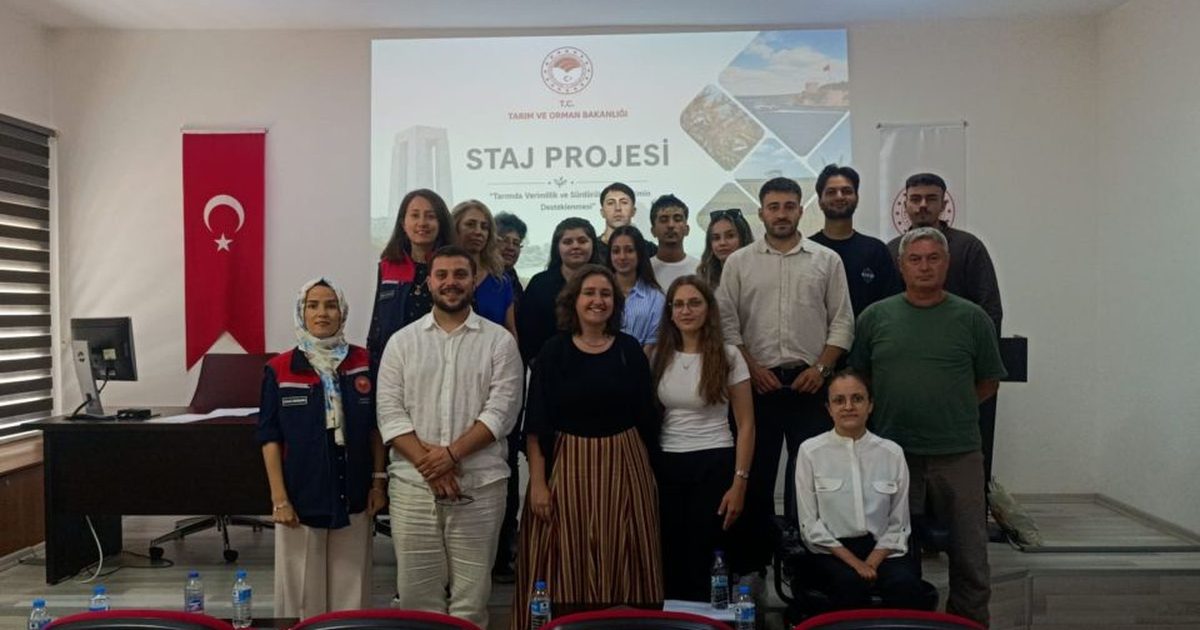
Agricultural engineering students, completing a 30-day internship within the Ministry of Agriculture and Forestry, gained field experience by combining their theoretical knowledge with practical applications on the ground.
Comprehensive Agricultural Training in the Field
Agricultural engineering students, who received 30 working days of practical training within the Ministry of Agriculture and Forestry, completed their field work and delivered a comprehensive presentation. The future engineers, approximately one year from graduation, had the opportunity to test the theoretical knowledge gained at universities directly in agricultural production areas. Within the scope of the program conducted under the guidance of ministry officials, young candidate engineers gained professional experience by actively participating in many different stages of the sector, from plant production to agricultural mechanization.
Field Examination of Strawberries and Rice
During the internship, students closely examined production fields, particularly observing the processes of combating diseases and pests in strawberry gardens on-site. Candidate engineers, identifying the technical problems faced by producers in the field one by one, developed solution proposals by evaluating the current cultural and chemical control methods applied. Interns also conducted comprehensive examinations in the region's rice production areas, directly observing the practical interventions in the field to protect plant health and the factors reducing agricultural productivity.
Technical Application in Combine Harvester Inspections
The students, not limited to plant production areas within the program, also directly participated in agricultural mechanization and technical inspection activities carried out in the field. Engineers, following combine harvester controls, which are of great importance during harvest seasons, together with expert teams, learned the technical details of inspections by applying them in the field. At the end of the internship period, students conveyed their field experiences with a presentation accompanied by visual materials, gaining critical insights into the functioning of the agricultural inspection mechanism.