


Call for a Permanent National Strategy Against Foot-and-Mouth Disease Outbreak
· Tarım Pusulası
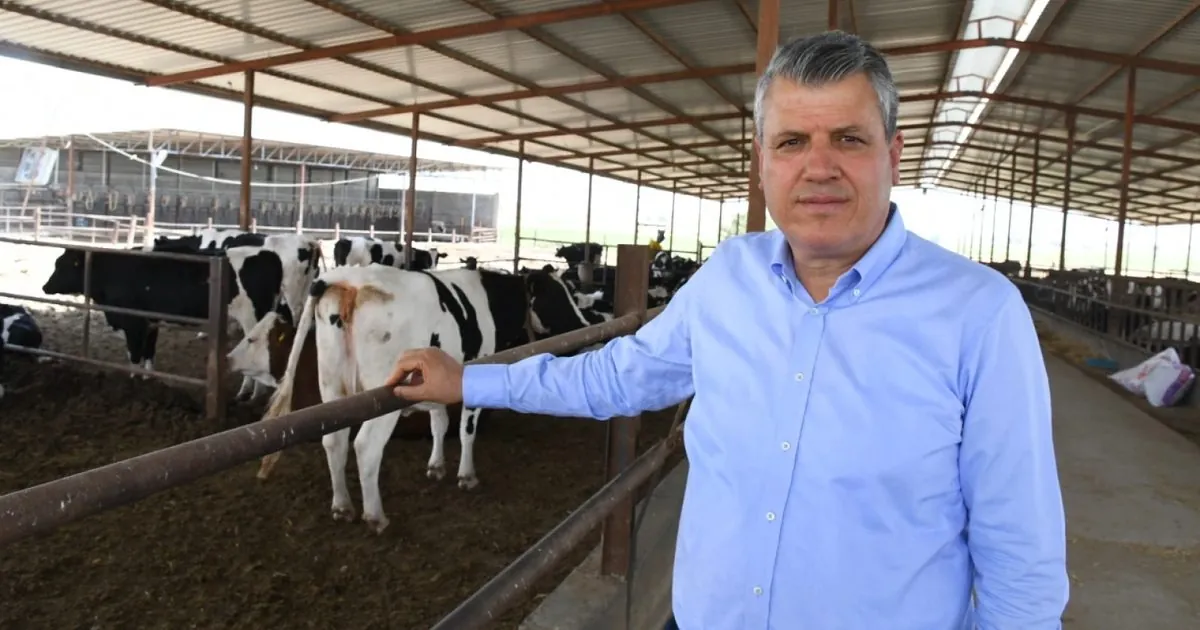
The foot-and-mouth disease crisis, deepened by the closure of livestock markets in Kayseri, Nevşehir, and Uşak, has placed breeders under a heavy financial burden and brought permanent biosecurity measures back to the agenda.
The re-emerging foot-and-mouth disease outbreak across Turkey continues to pose a critical threat to the livestock sector and red meat supply. Ayhan Barut, a member of the Turkish Grand National Assembly's Agriculture, Forestry, and Rural Affairs Commission, emphasized that closing live animal markets in provinces such as Kayseri, Nevşehir, and Uşak is a temporary crisis management measure. Barut stated that the recurring nature of outbreaks calls into question current agricultural policies, asserting that animal health cannot be protected solely by closing markets. It was announced that the foot-and-mouth disease has profound impacts on producer incomes, milk production, and food supply security.
Drawing attention to data shared by the World Organisation for Animal Health (WOAH), Ayhan Barut recalled that the SAT-1 serotype of the virus has been detected in the Turkey, Lebanon, and Greece region after a full 60 years. Despite the Ministry of Agriculture and Forestry's millions of vaccine doses and restrictions, the outbreak continues to spread along the Middle East, Asia, and Europe route. Barut noted that the cross-border mobility of the disease must be closely monitored, stating that emergency intervention tools coming into play after an outbreak occurs do not provide permanent protection.
Stating that vaccination and quarantine practices alone are insufficient, Ayhan Barut, a Member of Parliament for Adana from the NEW PARTY and a member of the Turkish Grand National Assembly's Agriculture, Forestry, and Rural Affairs Commission, said:
Barut stated that early diagnosis, regular surveillance, border controls, and strong field veterinary services need to be integrated, and a long-term national struggle strategy based on scientific principles must be established.
It was stated that breeders who cannot sell or transport their animals due to the closure of animal markets are facing a serious loss of income. Ayhan Barut pointed out that even with markets closed, expenses for feed, care, shelter, financing, and veterinary services continue uninterrupted, and requested an official calculation of the economic damages incurred by producers. It was emphasized that merely imposing restriction decisions pushes producers into a debt spiral, and therefore, the resulting damages must be compensated with a fair support mechanism.
Stating that animal movements must be monitored completely and effectively through the TÜRKVET system, Barut demanded that illegal and unregistered animal transport be strictly prevented. Ayhan Barut, Member of Parliament for Adana from the NEW PARTY and member of the Turkish Grand National Assembly's Agriculture, Forestry, and Rural Affairs Commission, concluded his remarks by suggesting that the serotype and genetic structure of the virus be transparently shared with the public:
It was noted that protecting the livestock infrastructure through early warning systems and regional risk analyses is essential for national food sovereignty.
Recurrence Interval of SAT-1 Serotype
Source: Dünya Hayvan Sağlığı Örgütü (WOAH) · Period: Güncel
- Current
- 60 years