


The Soil's New Equation: The Fine Line Between Natural Gas, Nitrogen, and Bread
· Caner Ekinci
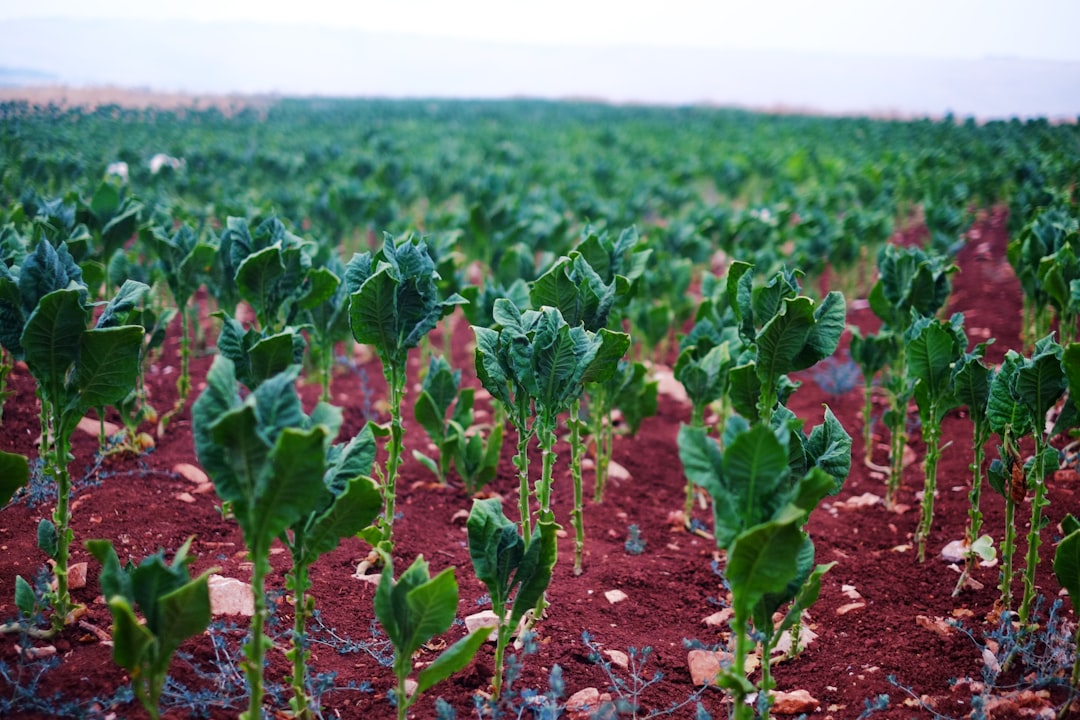
Global agricultural commodity markets are being reshaped not only by climatic anomalies but also by the tremors of energy geopolitics rippling through fertilizer and feed costs. From futures order books to the tractor's plow, this new equation is upending conventional wisdom in food supply security.
An old Anatolian proverb seeks the secret of the soil in the rain; yet today, any analyst looking at the screens of the Chicago Board of Trade (CBOT) or Paris-based Euronext (MATIF) knows all too well that the destiny of the soil is now written in the corridors of the TTF natural gas futures in Amsterdam. At no point in history has the agricultural commodity world been so umbilical-cord-tied to energy markets and macroeconomic liquidity waves.
The volatility in wheat, corn, or soybean prices frequently heard on news broadcasts is merely the tip of the iceberg. The real storm brews in nitrogenous fertilizers (urea, ammonium nitrate)—the backbone of input costs faced before the producer even steps into the field—and the protein blocks within compound feed rations. Even the slightest geopolitical spike in natural gas prices drives up the cost of the Haber-Bosch process, creating bottlenecks in ammonia and urea supply. Every kilogram of nutrient withheld during an expensive fertilizer season translates directly into yield loss in harvest futures and, ultimately, global food inflation.
Meanwhile, feed costs, the lifeblood of the livestock sector, are caught in a similar vise. Fluctuations in soybean meal and feed corn parities keep the gross margins of dairy and meat producers on a knife-edge. When combined with Black Sea grain corridor logistics risks, Red Sea freight crises, and La Niña-driven drought speculations across Latin America, it is not just the farmer but the end consumer who is exposed to the turbulence of these global derivative markets.
We no longer have the luxury of managing farmland with traditional methods while turning a blind eye to global risks. Strategic agricultural nations must integrate licensed warehousing infrastructures with financial derivatives and implement modern hedging mechanisms for producer cooperatives to manage input volatility. It must be remembered: in the agriculture of the future, the victors will not just be those who sow the finest seeds, but those who best hedge their financial exposure.