


Is Agriculture Over in Turkey, Uncle?
· Ali Kemal ASLAN
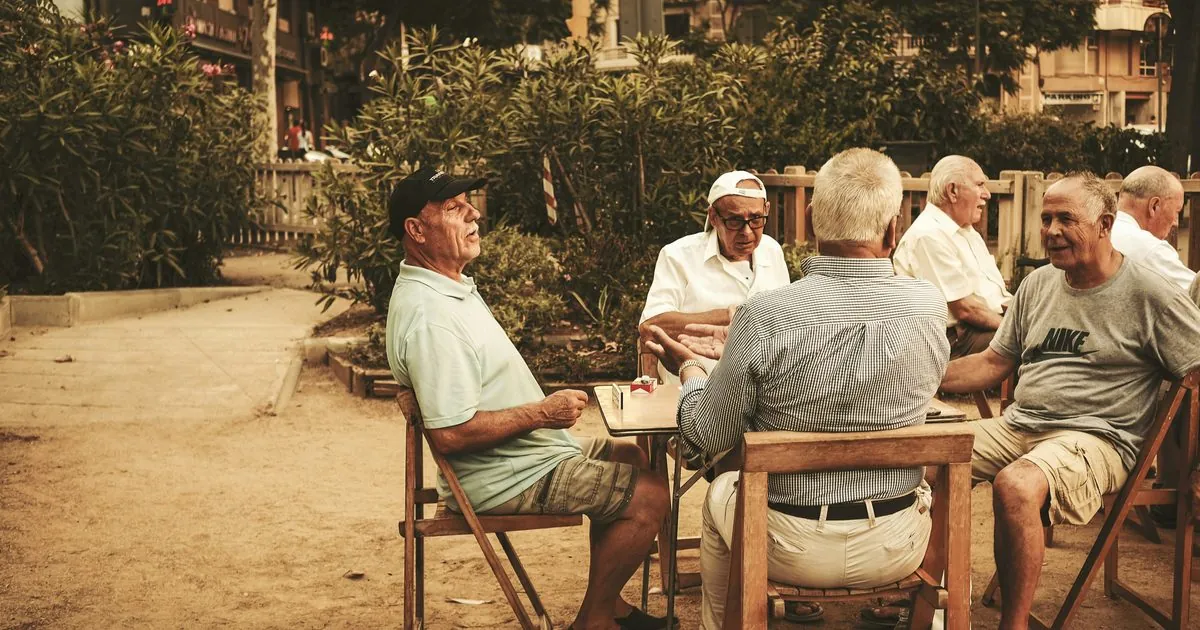
While major powers cultivate the world, where do our fields stand? If you were to sit in any village coffee house, have a tea, and ask a young or old farmer playing backgammon, 'Is agriculture over, uncle?', they would likely smile first, then start talking about their son considering selling his land, another son unable to marry because no girls come to the village, their daughter glued to social
While major powers cultivate the world, where do our fields stand?
If you were to sit in any village coffee house, have a tea, and ask a young or old farmer playing backgammon, 'Is agriculture over, uncle?', they would likely smile first, then start talking about their son considering selling his land, another son unable to marry because no girls come to the village, their daughter glued to social media, and their wife watching people's private lives with a TV personality instead of milking cows.
You might say, brother, this question is no longer just asked in village coffee houses, but also in waterfront mansions, in the deep corridors of Ankara, in the backrooms of the Ministry of Agriculture, on economy pages, and by cashiers at supermarket checkouts.
The answer is neither as simple as 'yes' nor as peaceful as 'no'. When compared to the world, the numbers indicate that agriculture is not over, but it is significantly changing course. This means our uncle and the 'know-it-all' commentators on TV are very, very confused. What can we say then? Let's keep gossiping about the Ministry of Agriculture.
Let's See What's Happening in the World
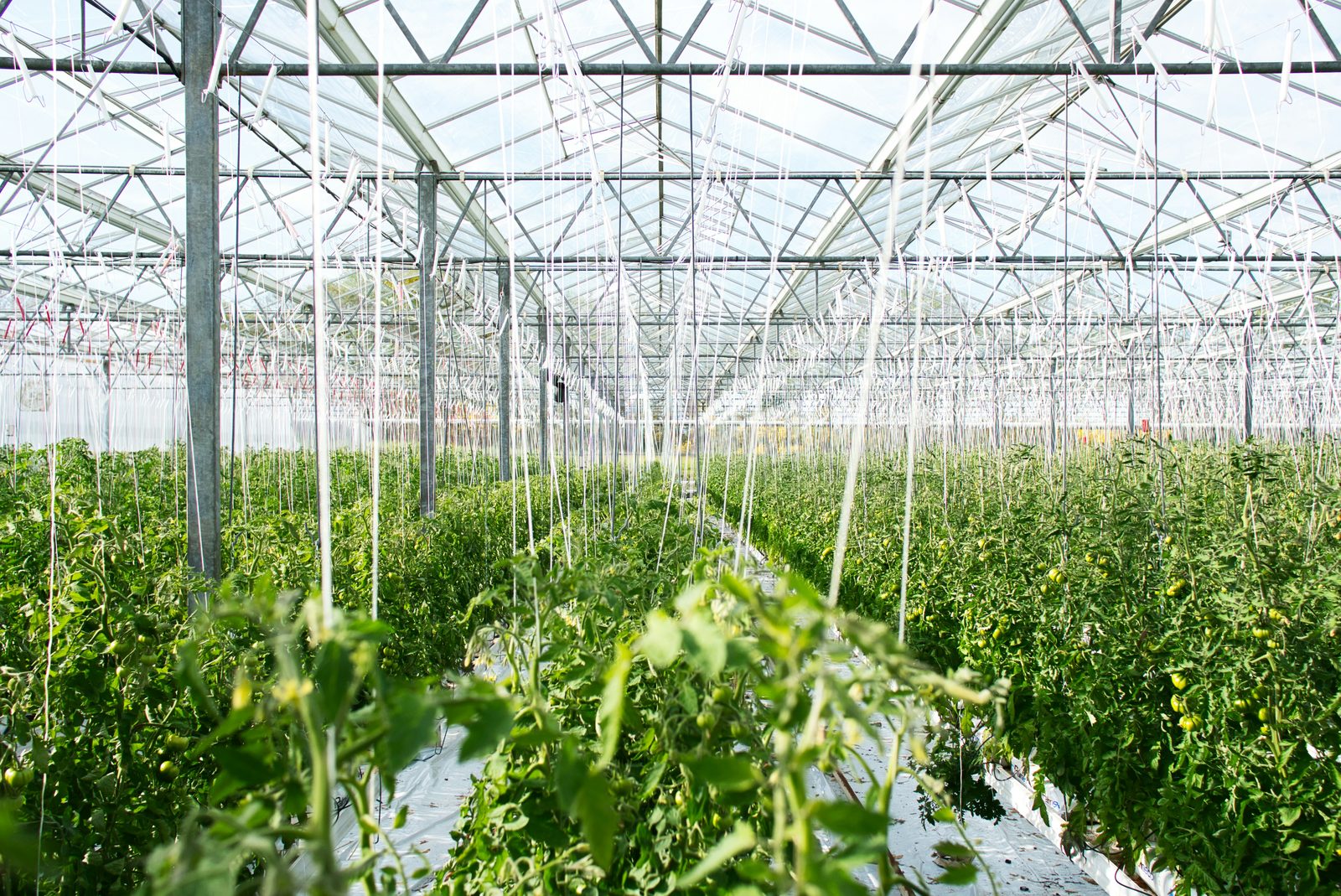
Whether we realize it or not, world agriculture has been experiencing a silent revolution in the last quarter-century. With a population exceeding 8 billion, the arable land per capita has naturally decreased; however, global food supply has continued to increase. So, what makes this possible? Not more land, but of course, more yield.
A familiar example is the Netherlands. I think this is the most striking part of the story. This country, with a land area even smaller than our Konya Plain, has become the world's second-largest agricultural exporter thanks to greenhouse farming, vertical farming, and precision irrigation.
America has established a superb model with large-scale farms and satellite-assisted tractors, enabling a single producer to manage thousands of acres. Our northwestern neighbors, under the 'Common Agricultural Policy,' have started allocating about a third of their budget to their farmers, viewing them not just as producers but as guardians of the countryside. China and India, as always, treat self-sufficiency during crises as a matter of national security, following a strategic stock policy for grains and similar products.
So, what's the takeaway for the knowledgeable uncle and the commentator brother? The world's major agricultural countries have not expanded their land, but their technology, organized production, and long-term planning, abandoning short-term gains.
What About Turkey's Tail End?
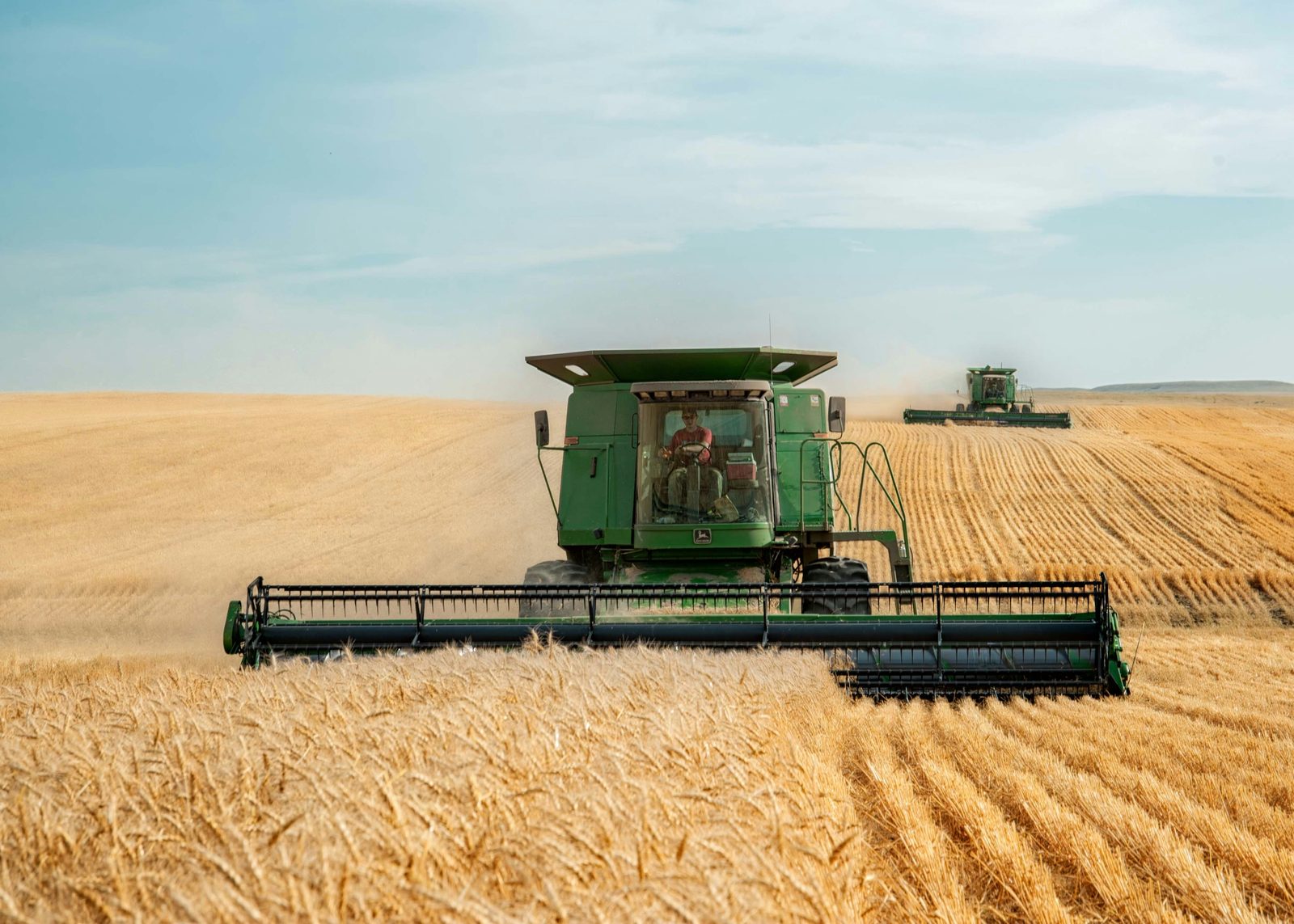
The good news is significant. Our country is still one of the world's leading agricultural nations. In terms of agricultural output, we are first in Europe and among the top ten countries globally, with approximately 24 million hectares of cultivated land. We are among the top ten in wheat production globally and ninth in exports. This year, thankfully, wheat production is expected to reach 22.8 million tons, thanks to favorable climate conditions. Our agricultural and food product exports increased from $3.7 billion in 2002 to $32.6 billion in 2025.
Now, let's zoom in a bit.
In the same period, agricultural product imports were around $26 billion. So, the uncle might be right here; the figure we boast about in exports is overshadowed by nearly the same amount in imports. Unfortunately, the dark picture saw a symbolic shift in the first six months of 2026. While exports in agriculture, beverage, and food sectors remained at $14 billion, imports exceeded $14.19 billion. Thus, sectors that had a surplus of $3.2 billion in 2024 and $1.42 billion in 2025 have shown a deficit for the first time this year.
Let's zoom out a bit more; wheat, for example, perfectly illustrates this dilemma.
We are one of the world's leading producers, yet it is estimated that we will import significant amounts of wheat in the 2026/27 season. According to official data, wheat from Russia has exceeded 7 million tons. On one hand, we export flour and pasta and become 'export champions'; on the other hand, our self-sufficiency rate in wheat has fallen below 100 percent.
Always Numbers, Always Numbers, But What the Numbers Don't Tell: The Farmer
The difference between us and other worlds lies not in production volume, but in the condition of the producer. Our northwestern neighbors are increasing their average farm size; what about us? What's happening? Due to inheritance disputes with relatives, not only are our family ties breaking, but our fragmented lands continue to shrink.
On fields smaller than the area where a tractor can operate efficiently, costs rise, and yields fall – a natural consequence, of course, is loss.
Of course, there are other issues where our uncle is right, such as the age of farmers. The average age of European farmers is at a crisis level, over 50; surprisingly, the average age of producers remaining in our villages is even higher.
Young people would rather be security guards in a mall than live like kings in their villages. Besides, girls don't come to the village; what can the young man do? He's looking for work in the city, not on the farm. The natural consequence is that agriculture's share in employment has fallen from 35% to 15% in the last quarter-century, and that's for now.
Let's zoom in further.
Fertilizer, feed, seeds, diesel, electricity are largely dependent on foreign currency, while the price of produce is in TL and often determined at harvest time, meaning when prices are at their lowest. The Turkish farmer largely has to cover the insurance, credit, and price guarantee systems that American or German farmers have, out of their own pockets.
So, Is Uncle Right? Is Agriculture Over?
'No way, LeBron James!' Of course not, meaning it's not over yet. What did the poet say when describing my country's climate: 'One side of us sheds leaves, one side is a spring garden...' meaning the land is still there, 100 meters from where the uncle is playing backgammon. The climate and geography are enviable in the world; four seasons of produce can be harvested in this region.
But agriculture, as we know it, conventional agriculture, is ending. The model of the auntie producing with her own seeds on her small plot and taking it to market is silently sinking into the darkness of history. What we will put in its place is not yet clear. Should the state intervene in production? Should large food companies engage in proper contract farming? I don't know, should city girls marry village boys?
Perhaps the question should be: Not 'Is agriculture over?', but 'Who will do agriculture?' If the answer to this question is 'imports,' then the uncle's smile in the coffee house and the know-it-all TV commentators will turn out to be right.
What is needed is an organized, young, technologically equipped, and protected producer. Then, Turkey can take its place in the world's agricultural league not only with its production volume but also with the welfare and happiness of its producers. Maybe then our uncle's son will find a girl and get married.
The uncle is still playing his second backgammon game in the coffee house. The answer to the question seems to be largely hidden in how much we listen to him.