


Winter Management in Laying Hens Prevents Yield Loss
· TarımTR
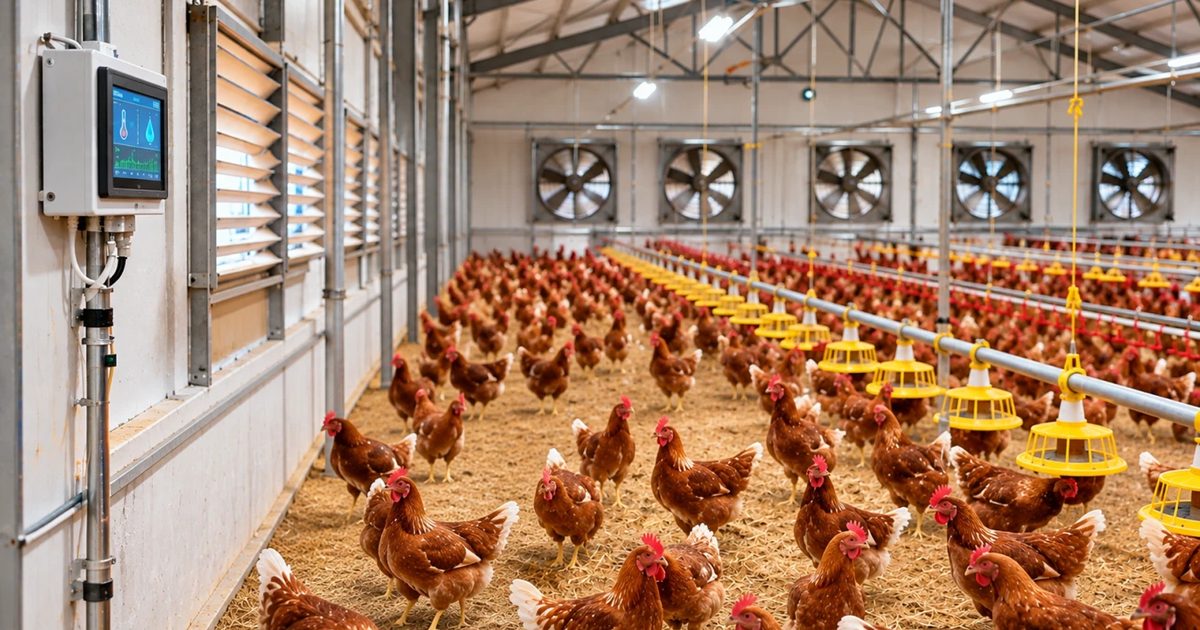
As air temperatures begin to drop, winter preparations are accelerating in the poultry sector, with heat, ventilation, and feed balance in coops directly determining profitability. Expert guidance warns producers about insulation deficiencies and inadequate air circulation, which escalate feed consumption and threaten flock health.
The Importance of Coop Management During Winter Months
As the weather begins to cool, coop management becomes critically important for egg-laying hen producers. Falling temperatures cause poultry to consume more feed to maintain body heat, while improper ventilation practices pose serious risks. Maintaining a balanced indoor temperature, regular air circulation, dry litter, and uninterrupted clean water supply are essential for keeping hens healthy during winter. Producers need to comprehensively review their facilities' insulation, watering lines, and feeding systems before the cold fully sets in.
Ideal Temperature Values for Laying Hens
The comfort temperature required by laying hens varies depending on the flock's age, feather structure, genetic characteristics, and the physical structure of the coop. The Hy-Line technical guide specifies a general thermal comfort range of 18-25 degrees Celsius for adult laying hens. A brochure published by the Samsun Provincial Directorate of Agriculture and Forestry indicates this range as 15-24 degrees Celsius. These differences shared by institutions show that temperature should not be viewed as a single standard and that preventing sudden temperature fluctuations should be the goal.
The Impact of Falling Temperatures on Feed Consumption
In cold climate conditions, chickens must increase their metabolic energy to maintain body temperature. This directly leads to increased feed consumption, significantly raising operational input costs. According to technical guide data prepared by Hy-Line, the daily feed consumption difference per chicken can increase by up to 30-40 grams between summer and winter periods, especially in poorly insulated coops. This increase is a technical indicator that directly affects flock productivity and overall profitability.
Expert Control is Essential for Feed Rations
During winter months when feed consumption rises, simply increasing the amount of feed is not a sufficient solution to prevent yield loss. The energy level and nutrient content of the feed, the birds' live weight, and their current laying performance must be analyzed together. Producers need to regularly record daily feed consumption and ensure that birds have equal access to feeders. Ration changes should not be made arbitrarily; feed storage areas must be kept dry and free from moisture, strictly following technical programs prepared by poultry nutrition specialists.
The Necessity of Not Shutting Off Ventilation Systems in Winter
One of the most common mistakes producers make during winter is shutting off or reducing the operation of ventilation fans to avoid losing heat. The guide from the Agricultural and Rural Development Support Institution (TKDK) clearly states that ventilation should never be reduced in cold climates to maintain coop temperature. Ventilation not only regulates temperature but also expels respiratory carbon dioxide, ammonia gas from manure, dust, and excess moisture. If a heat deficit occurs, additional heating systems should be activated instead of reducing ventilation.
Risks of High Humidity and Wet Litter
Accumulated high humidity inside the coop due to insufficient airflow leads to rapid wetting of the litter and clumping in the environment. The wet litter problem not only creates a hygienic issue but also significantly increases the release of dangerous ammonia gas. As emphasized in the TKDK guide, air exhaust must be strong enough to remove moisture and dust. Wet floors can cause lesions in the animals' feet and respiratory tracts, while increasing the rate of dirty eggs, thereby reducing market value.
Uninterrupted Water Supply in Cold Weather
Regular water consumption in laying hens is directly linked to feed consumption and, consequently, to laying efficiency. In freezing temperatures, frozen water pipes, clogged waterers, or contaminated lines can completely interrupt the flock's access to water. The TKDK guide recommends regularly recording daily water consumption and comparing it with past data. Sudden decreases in consumption can be the first sign of potential flock health problems, so producers must insulate and protect exposed pipes before winter.
Egg Yield and Lighting Balance
Exposing animals to prolonged cold stress results in metabolic energy being spent on maintaining body temperature rather than egg formation. This adverse process leads to a decrease in egg yield and deterioration in shell quality. Due to the shortening of natural daylight hours in winter, lighting programs must be meticulously managed in accordance with technical guides. Light duration should not be arbitrarily increased or decreased; lighting appropriate for the flock's age should be applied, and daily rates of broken and cracked eggs should be consistently recorded.
Winter Maintenance of Critical Coop Equipment
Before winter sets in, the structural condition of the facility and all mechanical equipment must undergo technical inspection. Roof and wall insulation, door seals, exhaust fans, chimneys, heating devices, and automatic feeders should be examined individually. The TKDK guide mandates that backup systems be readily available in case of malfunctions in automatic ventilation and feeding systems. Testing generators against potential power outages during winter conditions and calibrating temperature measurement devices are critical for the farm's survival.
Holistic Planning for Sustainable Production
Winter management in laying hen farming consists of interconnected elements, from thermal insulation and air circulation to water hygiene and ration control. Simply blocking air inlets to keep the environment warm invites ammonia gas poisoning and flock losses. Similarly, the seasonal increase in feed consumption directly impacts the farm's cost structure, so data must be reviewed daily. Producers must complete their winter preparations thoroughly by implementing engineering measures appropriate for each coop's capacity and rearing style.
| Value | Measure |
|---|---|
| 18-25 °C | General thermal comfort range for adult laying hens |
| 15-24 °C | Recommended coop temperature range for egg-laying hens |
| 30-40 grams | Daily feed consumption difference per hen in seasonal temperature change |