


Allocation Announced for 480,000 Head of Feeder Cattle Imports
· dogayidinle.com
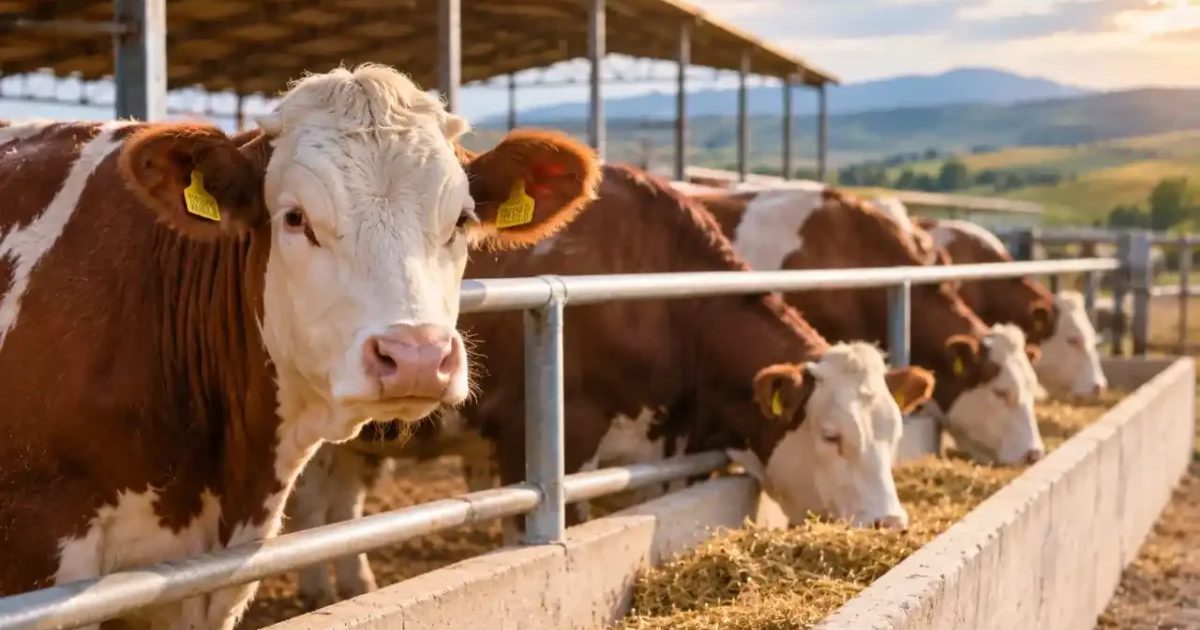
The Ministry of Agriculture and Forestry has released the allocation list for 480,000 head of male feeder cattle imports for 2027, excluding public institutions.
Feeder Cattle Allocations Announced
The General Directorate of Livestock under the Ministry of Agriculture and Forestry published the long-awaited 2027 feeder cattle import allocation lists on its official website on November 2, 2026. The official announcement directly concerns breeders who applied to provincial and district agriculture directorates between October 5-16, 2026. According to the official statement from the Ministry, a total of 480,000 male feeder cattle import permits were planned for the private sector, excluding public institutions from the planning. Producers whose allocations have been approved can directly track their farm's allocation status through the Ministry's official portal.
Distribution of Quota by Farm Size
In the allocation plan prepared by the General Directorate of Livestock, livestock farms were divided into two main categories based on their barn capacity. Of the total 480,000 head import permit, 380,000 head were allocated to large farms with a capacity of 200 head or more. This amount allocated to large-scale farms constitutes 79.17% of the total quota. The remaining 100,000 head quota was reserved for small and medium-sized farms with barn capacities below 200 head. This group of breeders accounts for 20.83% of the total planned allocation.
Application Conditions for Large-Capacity Farms
The evaluation process for farms with a capacity of 200 head or more was determined by TÜRKVET database records and the provisions of the current implementation directive. According to the Ministry's implementation principles, breeders in this group can sign private contracts with the Meat and Milk Institution to have their raised animals slaughtered by the institution, according to their own wishes. However, administrative sanctions will be imposed on the guarantees deposited by producers if the obligations stipulated in the contract are not fully met. The exact animal quantities entitled to large breeders are detailed in the published allocation lists.
Special Quota for Small-Scale Breeders
A special coordination mechanism has been established for the import process of 100,000 head allocated for breeders with barn capacities below 200 head. This process between the Ministry of Agriculture and Forestry and the Meat and Milk Institution will be managed by the Central Union of Turkish Red Meat Producers. Small farms are deemed to have pre-accepted slaughtering their animals at the Meat and Milk Institution upon completion of the fattening period through a contract. If the specified conditions are violated, the deposited guarantees will be directly confiscated; in this regard, the application for small producers differs structurally from that for large farms.
Import Process to be Managed by ESK
The actual import operations of the planned male feeder cattle will be exclusively carried out by the General Directorate of the Meat and Milk Institution. It will not be possible for producers to bring animals directly from abroad using their own means due to regulations. The Meat and Milk Institution will also solely determine the selling price of the imported cattle to producers at the time of delivery. Being on the allocation list does not grant producers a definitive price guarantee or immediate delivery rights. The entire logistics and delivery organization will proceed gradually within the framework of the official calendar and regulations determined by the Ministry.
Delivery Schedule Spread Over Four Quarters
The Ministry has divided the 2027 feeder cattle deliveries into four periods spread throughout the year, based on the preferences indicated in the producers' application petitions. The first period will cover January, February, and March; the second period will cover April, May, and June. Deliveries for the third period will be completed in July, August, and September, and the final period will be in October, November, and December. Changes to the periods specified during the application stage by the rights holders will not be permitted under any circumstances. Delivery dates will be announced by the relevant official institution on a farm-by-farm basis.

Stages and Evaluation of the Application Process
Official applications for feeder cattle imports were collected by provincial and district agriculture and forestry directorates between October 5-16, 2026. Subsequently, lists were posted for public display between October 19-22, during which producer objections were accepted and processed into the system on October 23. The General Directorate of Livestock completed the final calculations between October 26-28, finalizing the permit amounts. The allocation results, previously announced for October 30, were officially declared to the public on November 2, 2026, after technical reviews were completed.
TÜRKVET Records and Basic Criteria
Real and legal persons whose applications were accepted were required to have their farms registered in the TÜRKVET system by September 25, 2025, at the latest. Furthermore, it was mandatory for farms to have at least one cattle movement recorded in the system between September 25, 2025, and September 25, 2026. These movements include births, deaths, or animal entry-exit transactions. Applications from farms without active capacity information on TÜRKVET were rejected, and files of producers with only small ruminant movements were also not accepted.
Four-Month Mandatory Care Requirement
According to the implementation directive, imported feeder male cattle must remain on the allocated farm for at least four months from the date of entry into the country. During this mandatory period, the transfer, sale, or relocation of the animals to another farm is strictly prohibited. Transferring animals to another farm registered under the producer's own name is also included in the prohibition. Except in cases of force majeure such as fire or flood, animals can only be slaughtered at Ministry-approved slaughterhouses at the end of the fattening period.
Impact of Imports on the Red Meat Market
The 480,000 head of cattle to be brought into the country under the feeder cattle import scheme will not be directly offered to consumers but will be put on the market after a specific fattening period. This move aims to support the red meat production capacity, but the trend of meat prices is not solely limited by the import volume. Feed prices, foreign exchange rates, logistics costs, and domestic livestock farming costs continue to play a critical role in determining final meat prices. Experts point out that strengthening domestic breeding production is an indispensable necessity for sustainability in livestock farming.
2027 Fat Cattle Import Quota Distribution
General Directorate of Livestock, Ministry of Agriculture and Forestry
- Farms with 200 Heads and Above
- 380,000 head
- Farms Below 200 Heads
- 100,000 head
- Total Planned Quota
- 480,000 head