


Livestock Waste Transformed into Biogas for Energy and Fertilizer
· TarımTR
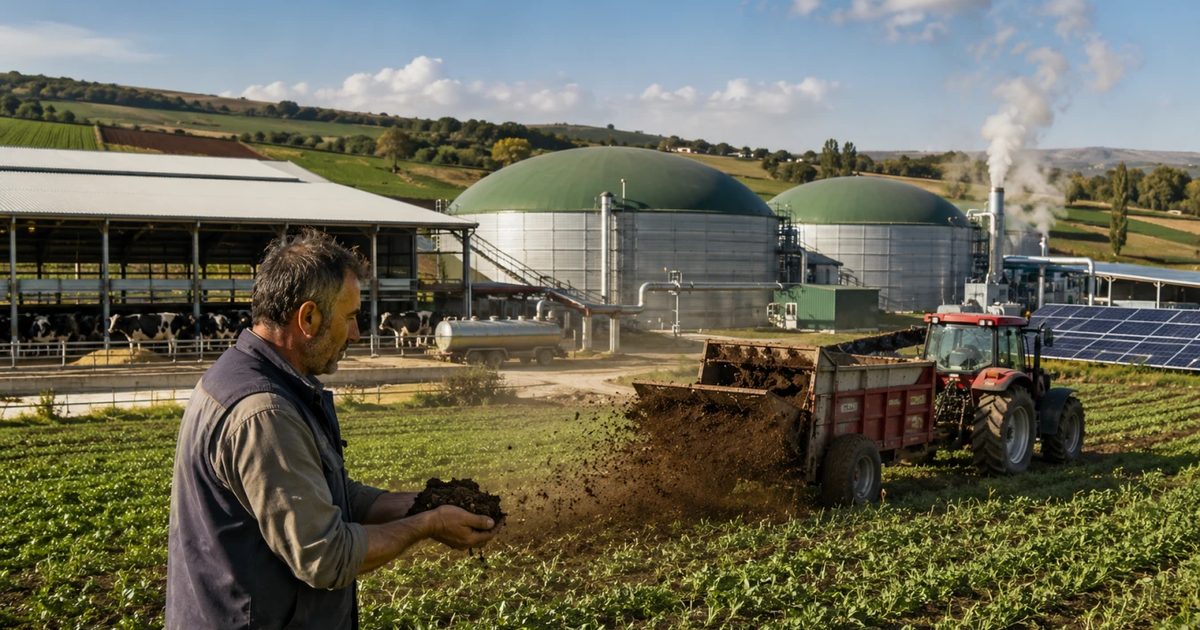
Manure from cattle operations is converted into electricity, heat, and high-quality organic fertilizer through biogas facilities, reducing farm input costs.
Transformation of Livestock Waste into Energy
Tons of animal manure generated daily in cattle farming operations transform into a strategic resource when processed in modern facilities instead of traditional storage methods. While improperly managed waste poses environmental risks, controlled fermentation processes convert this material into energy. These methods, implemented in dairy and beef farms, facilitate waste management for operations and directly contribute to environmental sustainability. Outputs previously considered waste in agricultural production are thus reintegrated into the economy.
Basic Operating Principle of Biogas Facilities
In biogas systems, animal manure is broken down by microorganisms in an oxygen-free environment, converting it into a rich gas mixture. The resulting biogas is actively utilized for electricity generation, on-site heating systems, and hot water supply. In advanced infrastructure, biomethane production is also made possible, and the fermented material remaining in the reactor after energy production transforms into a high-quality agricultural input. This technological cycle plays a critical role in reducing the external dependency of livestock facilities.
Benefits of Fermented Organic Fertilizer for Soil
The fermented material remaining from the biogas production process exhibits a much more homogeneous structure compared to raw animal manure. When used on agricultural land, this valuable organic resource strengthens the soil's organic matter level and increases its water retention capacity. Improving soil structure, fermented fertilizer allows for the optimization of chemical fertilizer use in plant nutrition programs. However, to achieve the highest yields, application must be planned according to soil analysis and crop patterns.
Circular Economy and Savings in Livestock Farming
The primary goal in modern agriculture and livestock understanding is to reintegrate every element emerging from the production process back into the production cycle. Converting manure into energy and organic fertilizer significantly alleviates electricity and heating costs, which are among the largest expense items for farms. The return of nutrients to the soil without loss strengthens the circular production model, ensuring the long-term profitability and competitiveness of livestock operations.
Feasibility and Needs in Facility Installation
When deciding on a biogas facility investment, the number of animals the operation has, the daily manure volume, and the current energy consumption profile must be meticulously examined. As each operation's scale differs, a comprehensive technical and economic feasibility study is mandatory before investment. Furthermore, legal regulations, environmental permit processes, and rural development grant supports must be thoroughly investigated. Properly planned medium and large-scale projects yield high returns for operations.
Strategic Roadmap for Producers
Livestock producers regularly recording their daily manure quantities and energy expenditures forms the first step in investment planning. While the compliance of manure storage areas with environmental standards is checked, support programs in renewable energy should be closely monitored. Laboratory analyses must be the basis for organic fertilizer application, and deviations from balanced fertilization principles should be avoided. Systems established with correct feasibility and technical infrastructure offer a sustainable and profitable future for livestock operations.