


TKDK and IPARD: A Fourteen-Year Balance Sheet for Rural Development
· Tarım Portalı
Established 2007 · Program IPARD · Scope 81 provinces · Photos TKDK The Agriculture and Rural Development Support Institution (TKDK) was established on May 18, 2007, with Law No. 5648, as an affiliated organization of the Ministry of Agriculture and Forestry. The institution's primary mission is to ensure the effective implementation of programs for agriculture and rural development, including tho
Established 2007 · Program IPARD · Scope 81 provinces · Photos TKDK
The Agriculture and Rural Development Support Institution (TKDK) was established on May 18, 2007, with Law No. 5648, as an affiliated organization of the Ministry of Agriculture and Forestry. The institution's primary mission is to ensure the effective implementation of programs for agriculture and rural development, including those funded by the European Union and international organizations.
The IPARD Program is central to this mission. Implemented in Turkey by TKDK, the program was created under the European Union's Instrument for Pre-Accession Assistance for candidate and potential candidate countries. The program was prepared by the Ministry of Agriculture and Forestry and approved through negotiations with the European Union. It provides grant support for investments across a wide range of areas, from agricultural holdings to food processing facilities, rural economic activities, and local development initiatives.
Implementation began in 2011 in 42 provinces. With the introduction of the IPARD III Program in 2024, support has been extended to the entire country.
Today, TKDK stands as a key implementer of Turkey's agricultural and rural development policies on the ground, with its nationwide organizational structure, project evaluation and monitoring capacity, and experience in fund implementation.
Fourteen Years in Numbers
According to data provided by TKDK, over 27,000 projects across Turkey have received €2.1 billion in grant support since 2011. Including approximately €800 million in tax exemptions, this has led to a total investment of €5 billion and created employment opportunities for over 107,000 people.
Over 27,000 projects have received €2.1 billion in grant support.
Grant rates vary depending on the investment's focus. For animal production, food processing, and rural economic activities, the rate ranges from 50% to 75%. Activities aimed at preventing erosion under the pilot "Agriculture-Environment" measure and the establishment of Local Action Groups within the LEADER approach are supported at a 100% rate.
Where Support Goes
The first pillar of support is for Investments in Physical Assets of Agricultural Holdings. Under this category, the establishment, modernization, and capacity development of enterprises for milk, red meat, poultry, and egg production are supported.
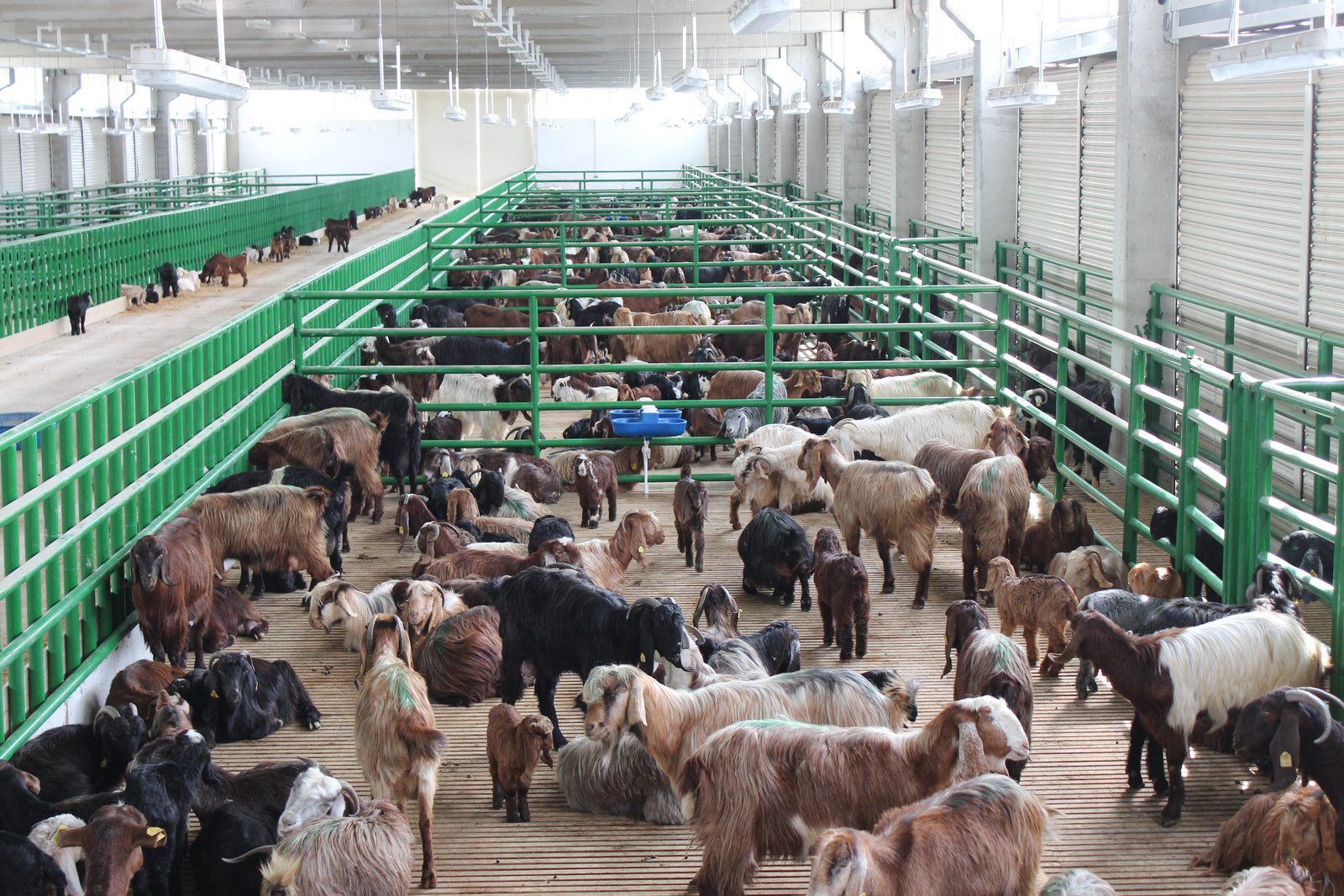
Small ruminant livestock farm in Diyarbakır · Photo: TKDK
The second pillar is the Processing and Marketing of Agricultural and Fishery Products. This includes investments in processing, packaging, storage, and marketing within the dairy and dairy products, red meat and poultry, fishery products, and fruit-vegetable and egg sectors.
Cold storage and fruit sorting line in Karaman · Photo: TKDK
The third pillar, Diversification of Farm Activities and Business Development, aims to extend rural income beyond agricultural production. Support is provided for crop production and the processing and packaging of these products, beekeeping and bee products, handicrafts and value-added products, rural tourism and recreation activities, aquaculture, machinery parks, and renewable energy investments.
This category encourages not only agricultural production but also the creation of alternative income sources and new economic activities in rural areas.
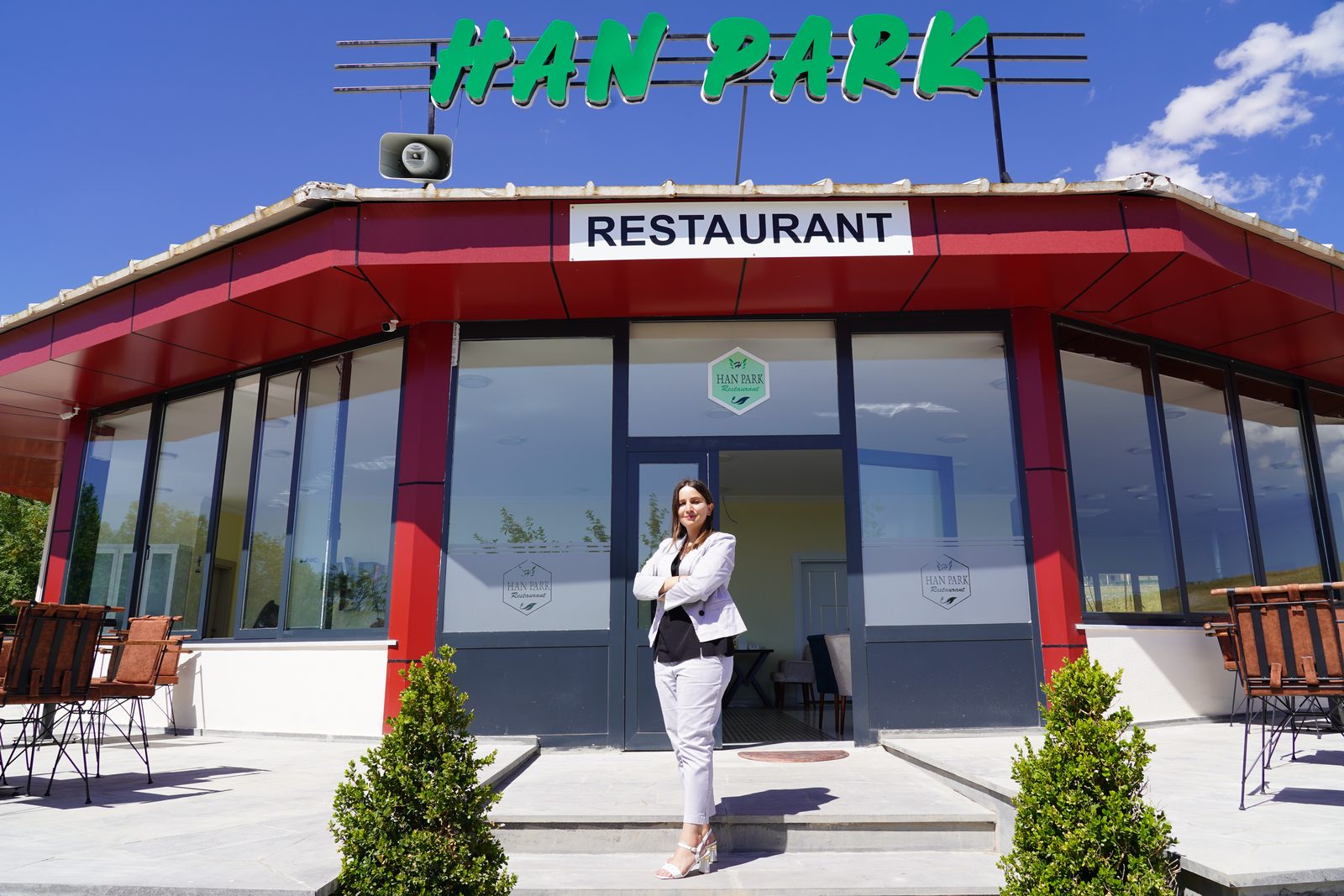
Rural tourism investment in Muş · Photo: TKDK
In addition, support is provided for practices aimed at protecting the environment, natural resources, and biodiversity under the "Agriculture-Environment, Climate, and Organic Agriculture" measure. Within the framework of the LEADER approach, the identification of local needs and the implementation of local development strategies are supported through Local Action Groups formed by public, private, and civil society entities.
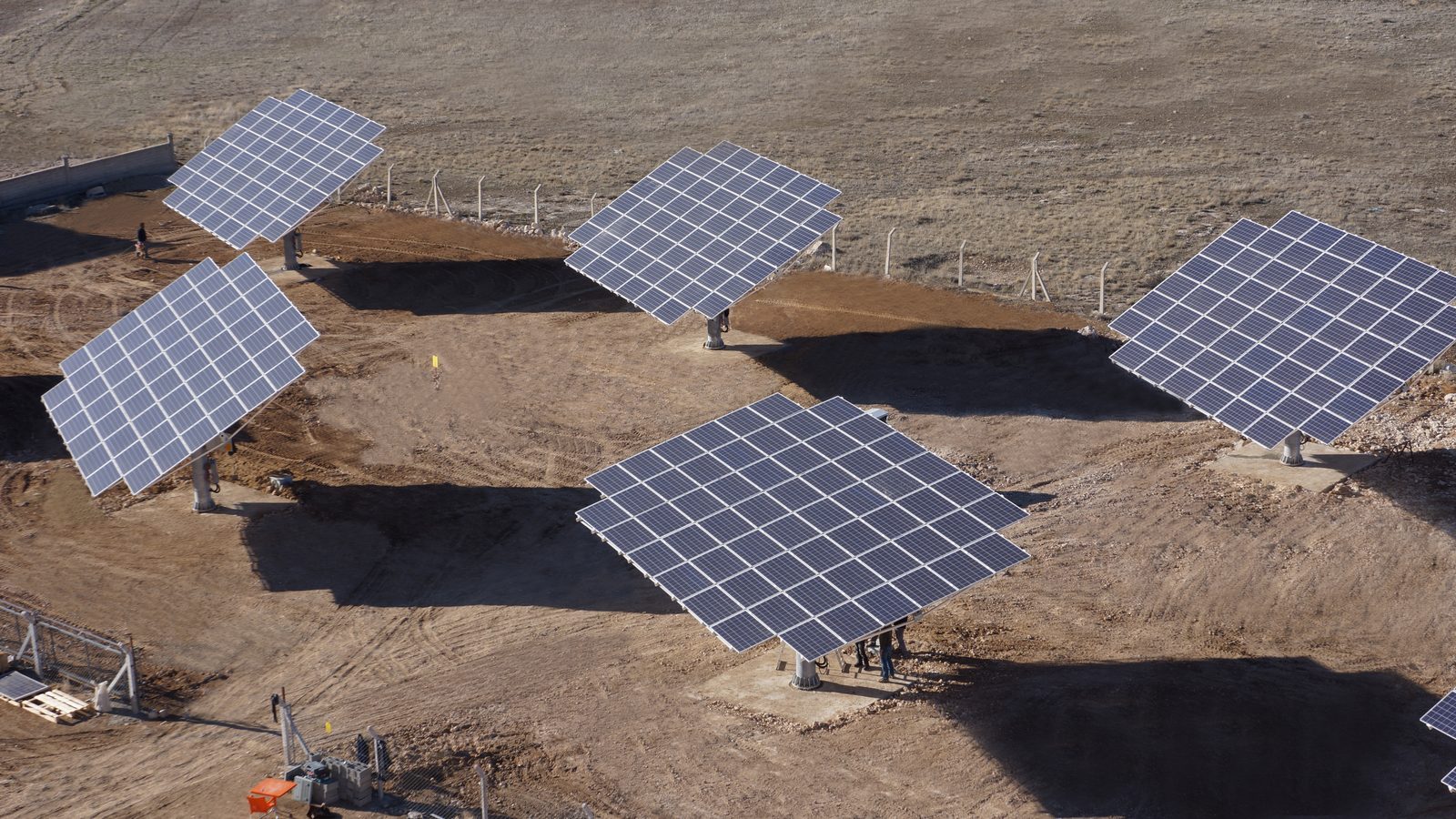
Renewable energy investment in Karaman · Photo: TKDK
With this structure, IPARD's support is not limited to agricultural production alone; it extends to a broad spectrum, from production to processing and marketing, diversification of the rural economy, environmental and climate practices, and local development.
IPARD's support is not limited to agricultural production alone.
Positive Discrimination for Women and Youth
Positive discrimination is applied for women and youth within the IPARD framework. According to the institution, a significant number of projects are submitted by women entrepreneurs due to this policy. Women investors receive an additional 10 points for their projects in livestock investments for meat, milk, and egg production, investments in the processing and marketing of agricultural products, and farm activity investments such as crop production, beekeeping, handicrafts, and rural tourism. This score prioritizes women's projects in the ranking during project selection.
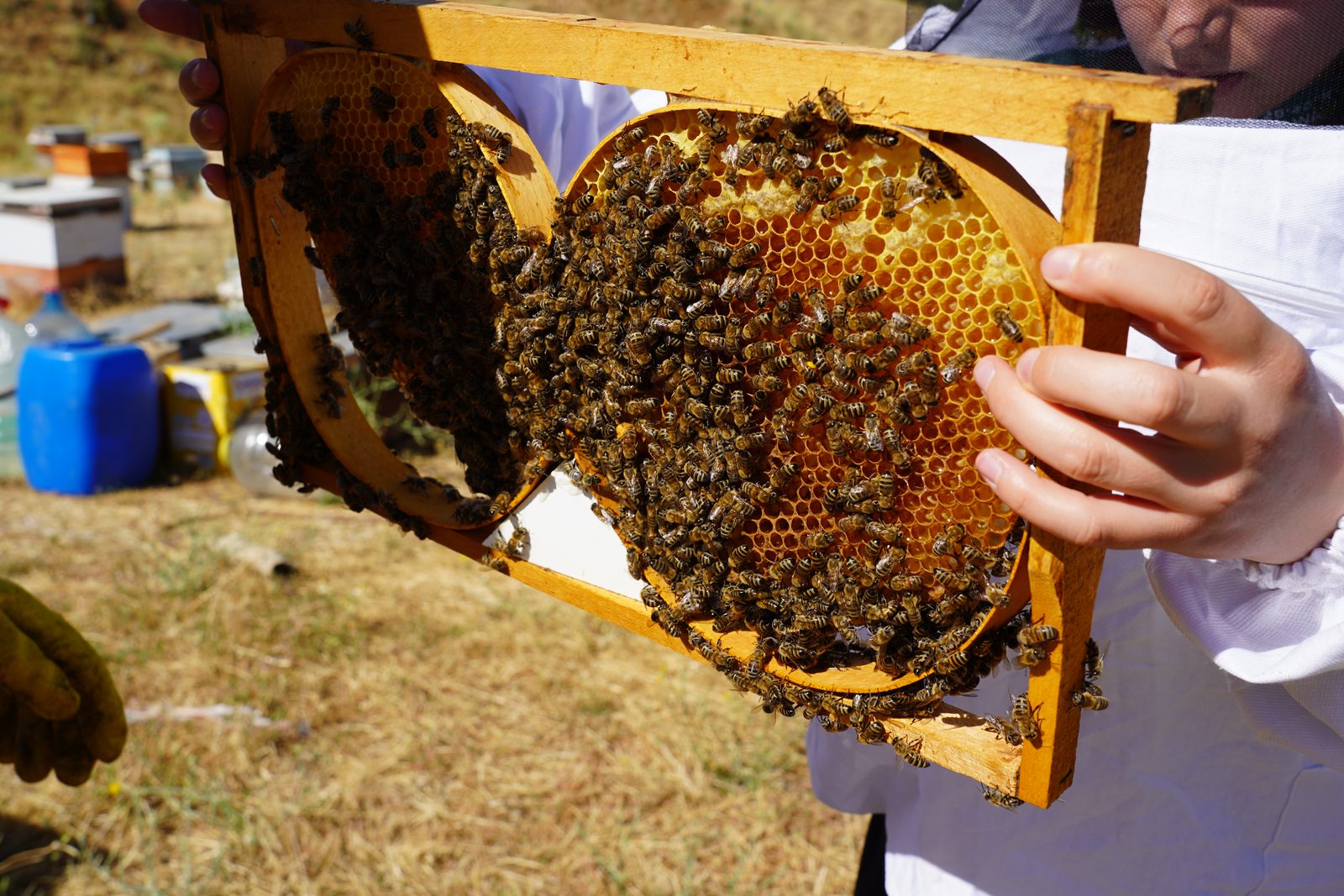
Beekeeping investment in Muş · Photo: TKDK
The results are visible in the figures shared by the institution. To date, women beneficiaries have received a total of €690.5 million in grants for 7,950 projects, leading to investments of €1.4 billion. Young beneficiaries have received a total of €1.3 billion in grants for 14,713 projects, with investments amounting to €2.7 billion.
| Group | Projects | Grants | Investment Generated |
|---|---|---|---|
| Women | 7,950 | €690.5 million | €1.4 billion |
| Youth | 14,713 | €1.3 billion | €2.7 billion |
Two New Measures with IPARD III
Two new measures are planned for implementation during the IPARD III period. The first is the "Rural Public Infrastructure Investments Measure." This measure aims to support public infrastructure investments in water management, waste management, rural roads, and renewable energy to improve the quality of life and enhance basic services in rural areas. This is expected to contribute to the development of much-needed infrastructure in rural areas, the more effective and sustainable delivery of public services, and the reduction of operating costs through the use of renewable energy.
The second is the "M10 - Consultancy Services Measure." This measure envisions beneficiaries being provincial and district units of the Union of Chambers of Turkish Agriculture and the agricultural organizations holding a First-Degree Agricultural Organization Certificate issued by the Ministry of Agriculture and Forestry. The objective is to facilitate access to IPARD support for farmers and small entrepreneurs, enhance the sustainable management capacity of enterprises, promote climate- and environment-friendly agricultural practices, and improve the economic and environmental performance of enterprises. TKDK will make announcements and launch call processes once the implementation preparations for both measures are completed.
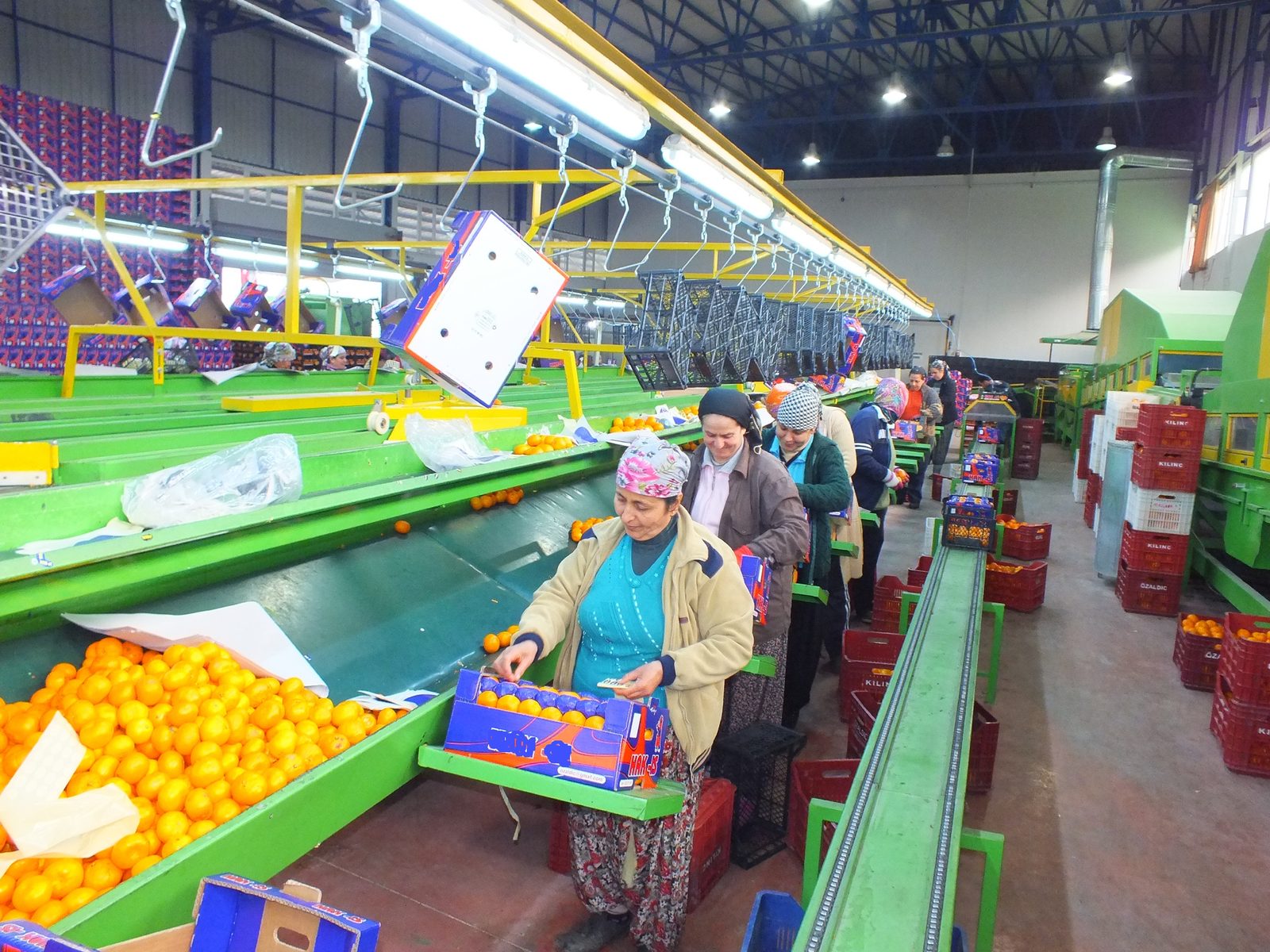
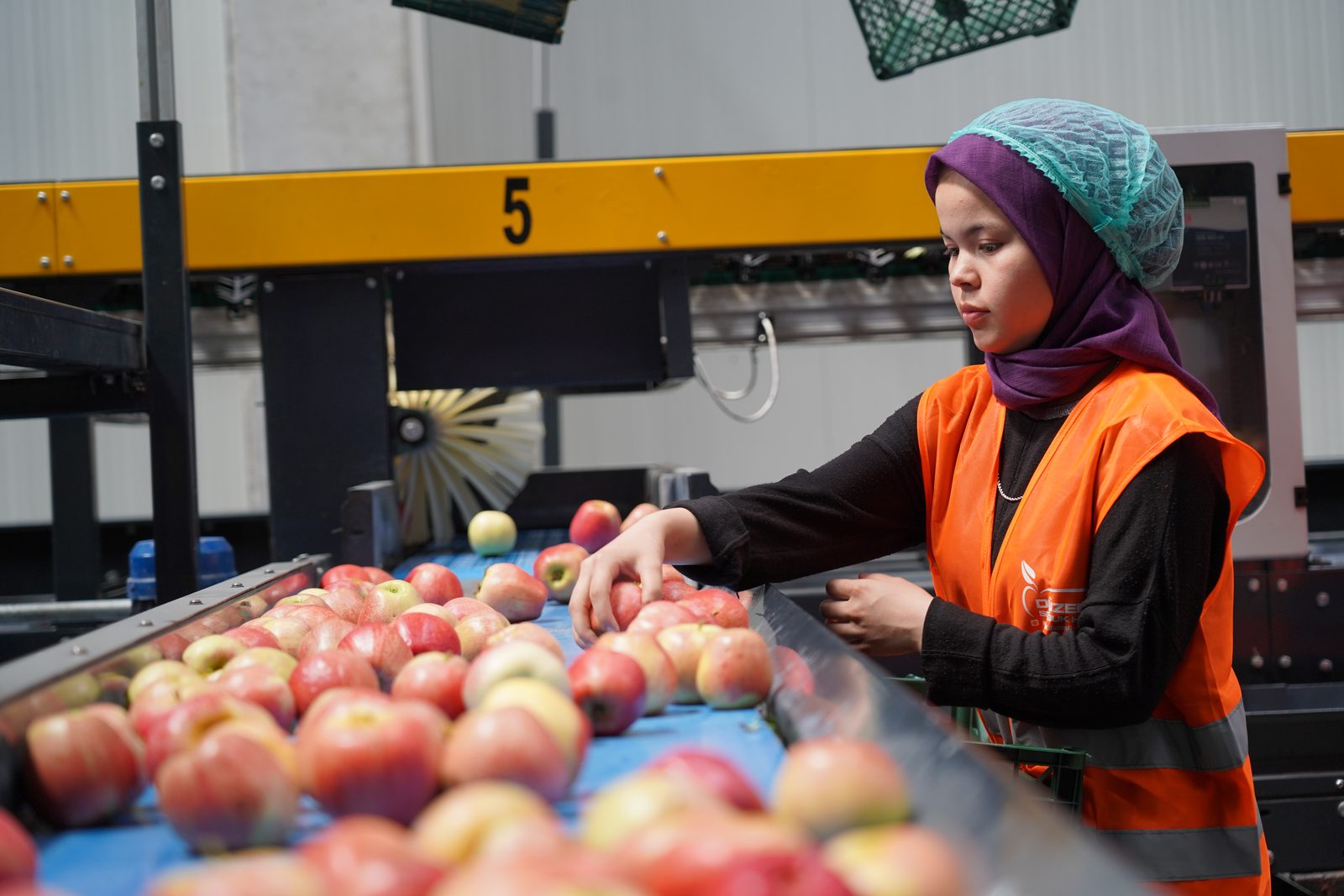
Workers at a citrus packaging facility in Hatay · Photo: TKDK
How to Apply
The process for an investor wishing to apply begins with the annual call calendar. At the beginning of the year, the institution shares with the public which measures and sectors will have calls for applications and the projected call periods.
Before applications are accepted for each support, a separate "Application Call Announcement" is published. This announcement and the relevant "Application Call Guidelines" detail who can apply, supported sectors and investment topics, eligible and ineligible expenditures, grant rates and investment limits, the conditions the applicant must meet, and the criteria for project selection. This allows the investor to see the conditions they must meet and the obligations they must undertake throughout the investment period before starting to prepare their application.
After the applicant prepares the project file, they submit their electronic application through TKDK's online application system. Printouts from the system are signed and added to the application package, and the file is delivered to the relevant Provincial Coordination Office within the period specified in the call. The documents to be submitted with the application, from which institutions they can be obtained, and the standard forms to be used are published on TKDK's website.
Following submission, the institution evaluates the administrative eligibility of the project, the eligibility of the applicant and the investment, technical and financial capacity, and the project's sustainability. On-site inspections are also conducted when necessary. Contracts are signed with projects that complete the evaluation and selection process, moving to the investment implementation phase.
Glimpses of Projects
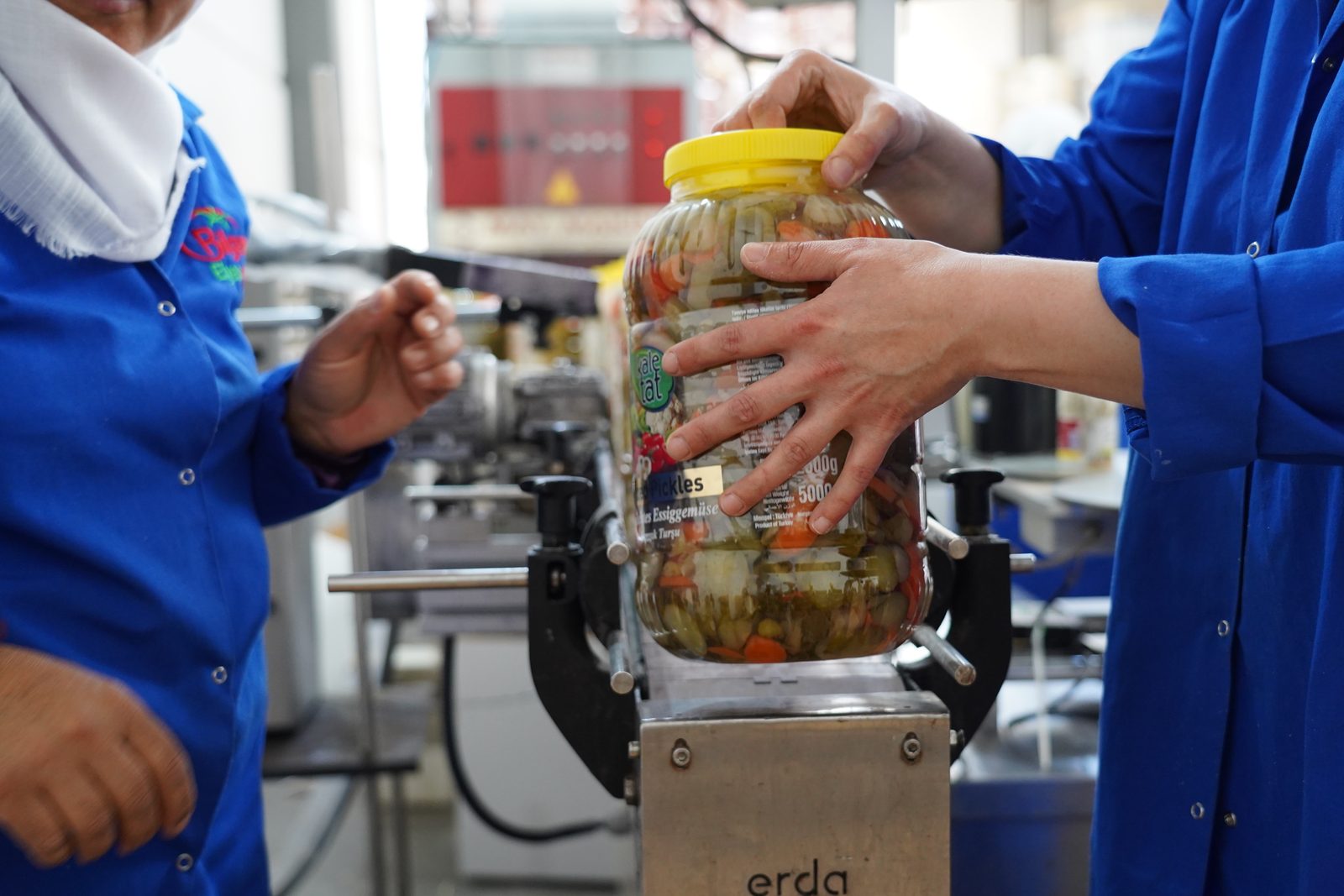
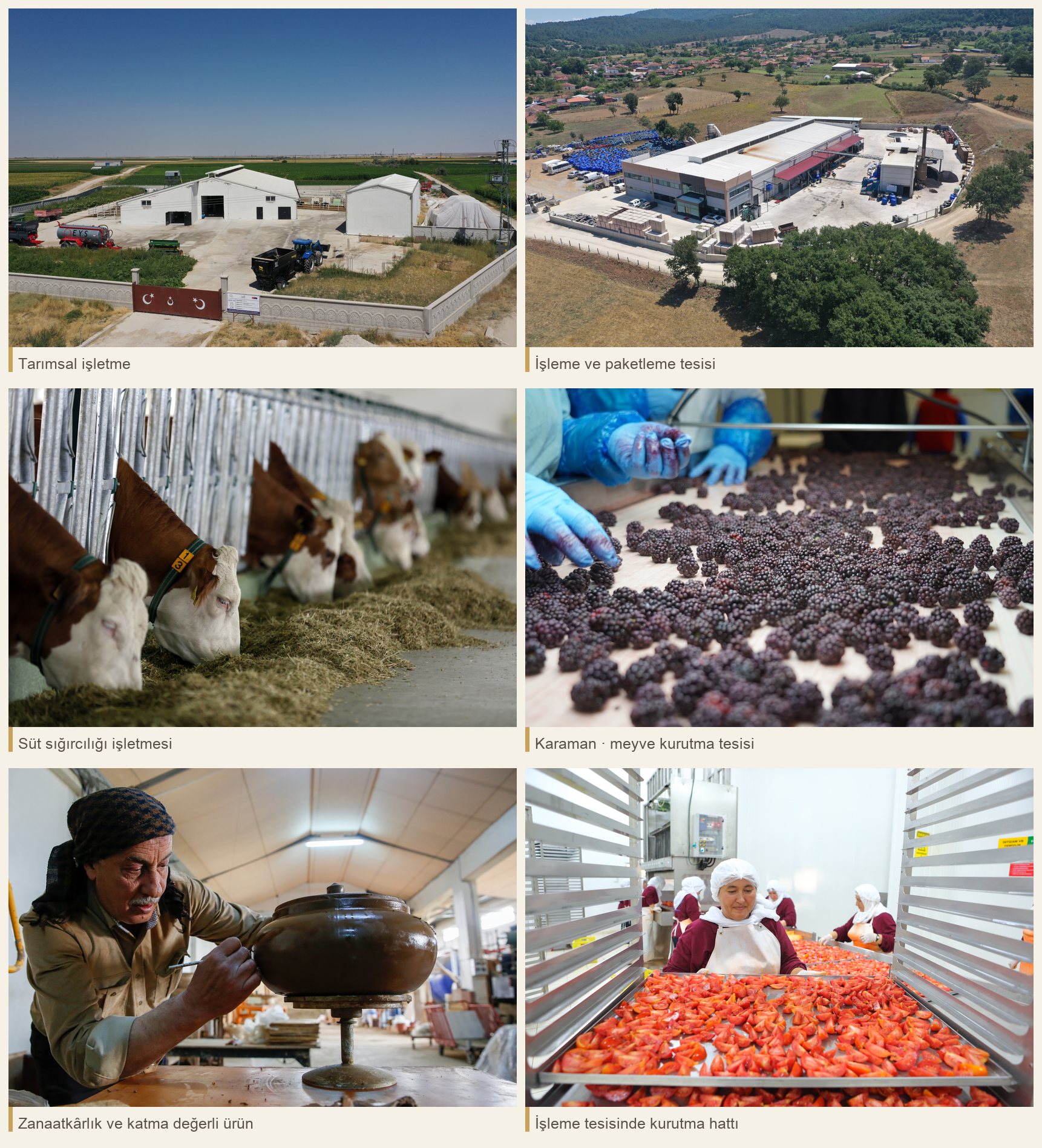
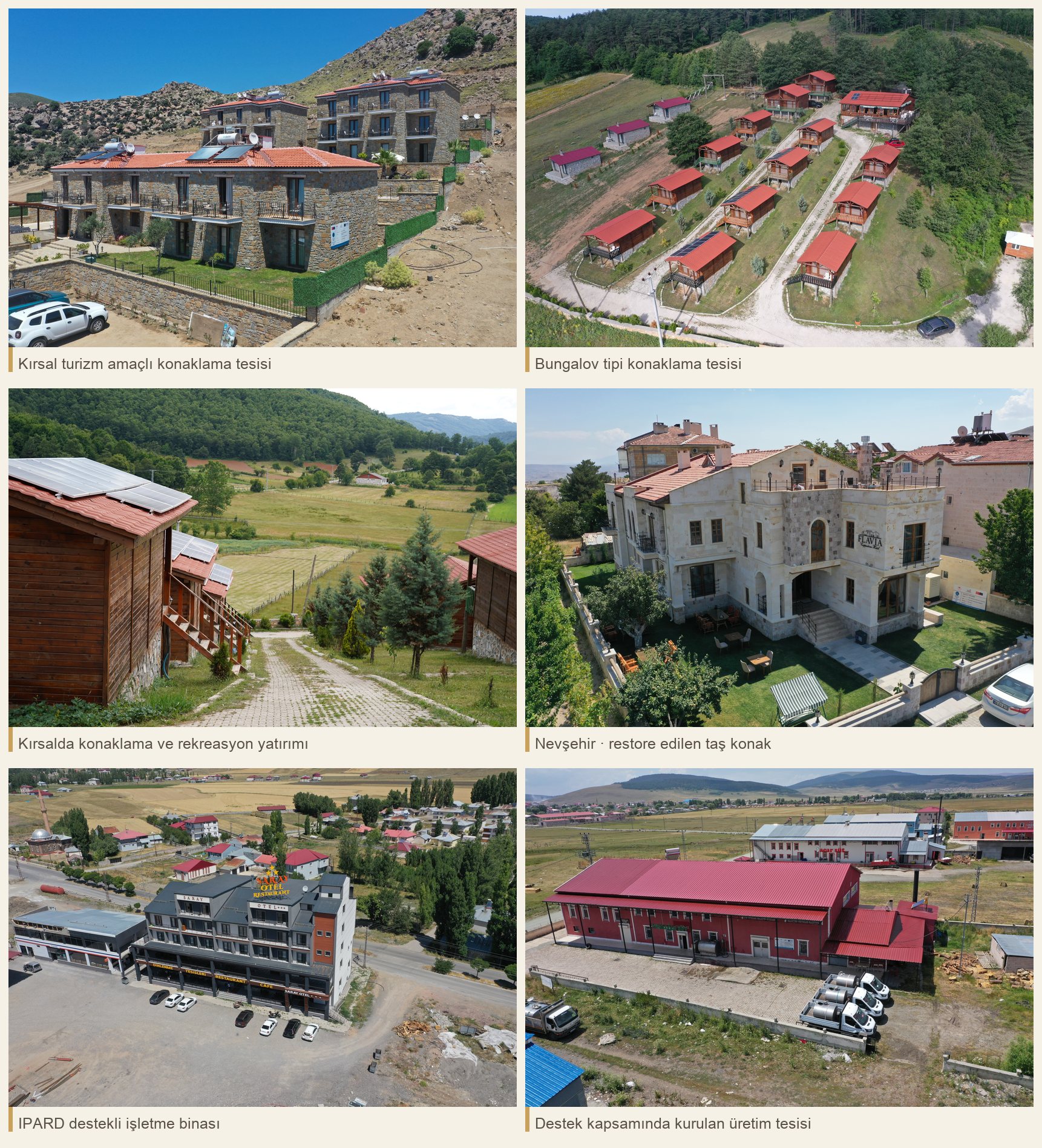
From agricultural holdings to processing facilities, from handicrafts to rural tourism, IPARD-supported projects · Photos: TKDK