


Hope Blooming in Concrete Jungles: The Future of Vertical Farming and Cities' Food Independence
· Zeynep Aksoy
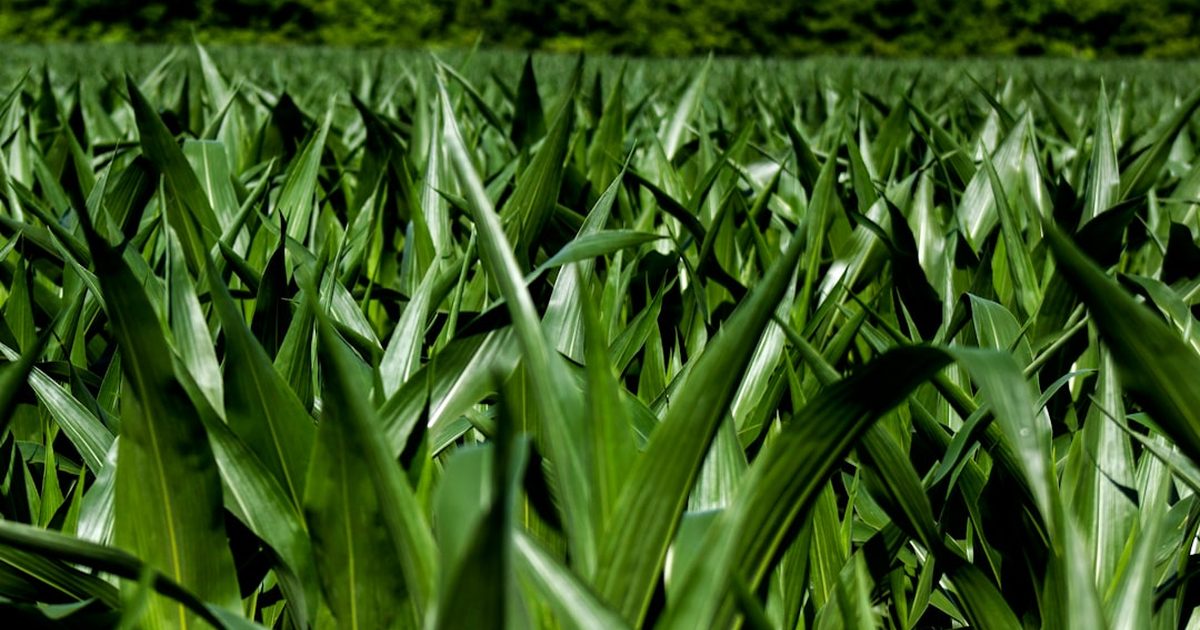
In the face of climate change and dwindling agricultural land, vertical farming offers a revolutionary solution, promising food security and sustainability to our cities. This article explores the economic, environmental, and social potential of this green technology rising in the heart of concrete jungles. Unlocking a future where cities can produce their own food, vertical farming is not just a technology, but also a philosophy of life.
As our planet grapples with the devastating effects of climate change, ensuring food security for our rapidly growing population becomes more critical than ever. Traditional agricultural lands face threats like drought, floods, and erosion, while long supply chains prove their fragility in the face of global crises. But can there be a beacon of hope blooming in the heart of our cities in this challenging equation? This is precisely where the concept of vertical farming emerges; not just as a technology, but as the paradigm for future food production.
Vertical farming, as its name suggests, is a method of growing crops in vertically stacked layers rather than traditional horizontal fields, within a controlled environment. Utilizing soilless farming techniques such as hydroponics, aeroponics, or aquaponics, the light, temperature, humidity, and nutrient requirements of plants are precisely managed. These enclosed systems can be established in any space, from abandoned buildings in city centers to warehouses or even underground tunnels, offering the possibility of year-round production, regardless of external climate conditions.
The benefits offered by this innovative approach are quite striking, both environmentally and economically. From an environmental sustainability perspective, vertical farming consumes 90% to 95% less water compared to traditional agriculture; a vital advantage for water-stressed regions. The elimination of pesticide and herbicide use ensures healthy produce and prevents soil and water pollution. Furthermore, producing food in urban centers significantly reduces the distance produce travels from farm to fork, lowering carbon footprints and ensuring fresher products reach consumers more quickly.
Its economic benefits cannot be overlooked either. Localized production minimizes logistics costs while offering consumers fresher, more nutritious produce with a longer shelf life. The yield per unit area, which is many times greater than traditional farming, allows for maximum efficiency in utilizing limited urban spaces. Additionally, vertical farming facilities create new job opportunities and stimulate local economies. These systems also act as a buffer against fragilities in global supply chains, strengthening cities' food independence.
Of course, like any innovative technology, vertical farming also faces certain challenges. High initial investment costs and particularly the significant energy consumption required for lighting are among the biggest hurdles to its widespread adoption. Currently more economical for leafy greens, herbs, and some fruits, vertical farming has not yet achieved the same efficiency and cost-effectiveness for staple foods such as grains and root vegetables. However, advancements in LED technology, AI-powered optimization, and the integration of renewable energy sources make it possible to overcome these challenges.
Looking to the future, vertical farming will transcend being merely a technology to become an integral part of urban planning and city life. Each city can transform into a climate-resilient and sustainable ecosystem capable of meeting a significant portion of its own food needs. This will not only solve the food security issue but also make our cities greener, more livable, and more resilient for their communities. Vertical farming is a tangible expression of hope blooming in a concrete future, innovative thinking, and the pursuit of a sustainable world.
For policymakers, investors, and urban planners, vertical farming is not just an agricultural method but a strategic investment in the future. Supporting this green revolution will be one of the most visionary steps taken for both our planet and future generations. For with the understanding that food is not just a commodity but a right to life, the potential to transform our cities into self-sufficient, sustainable food hubs is within our grasp.