


Forest Fires in Turkey Decreased by 35% in 2026
· Sabah
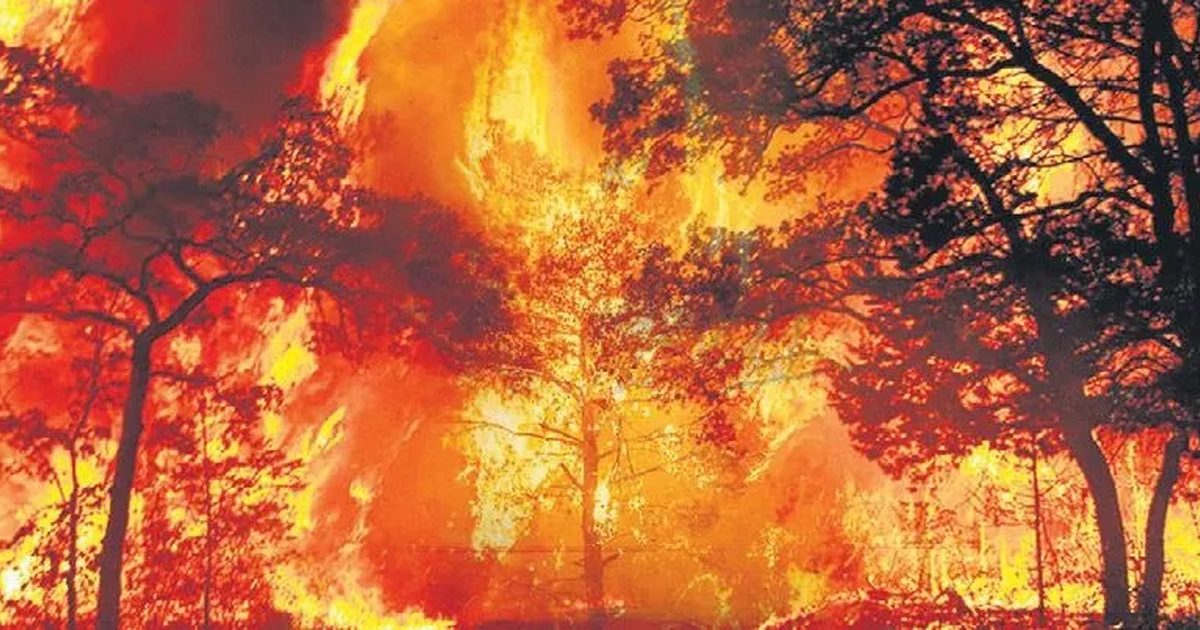
According to data from the Ministry of Agriculture and Forestry, forest fires in 2026 decreased by 35% compared to the previous year, falling to 6,209 incidents.
Significant Decrease Recorded in Forest Fires
Data shared with the public during the Forest Fires 2026 Year-End Evaluation Meeting organized by the Ministry of Agriculture and Forestry revealed significant success in combating fires across Turkey. According to official figures announced by Minister İbrahim Yumaklı, a considerable decline in incident numbers was recorded as a result of intensive efforts and preventive measures taken throughout the year. The coordination displayed on the ground for the protection of forest assets played a critical role in preventing the spread of flames and ensuring the security of rural areas.
Response Data and Numerical Indicators
According to official data, a total of 6,209 forest fires were directly responded to across Turkey in 2026. Minister of Agriculture and Forestry İbrahim Yumaklı reported that this number of cases decreased by approximately 1,300 compared to the statistics of the previous year. The 35% reduction in the total number of fires was evaluated as a highly significant gain for the protection of both the natural balance and rural areas dependent on the forest ecosystem. The rapid deployment of response teams in the field prevented the escalation of losses.
Climate Conditions and Fire Risks
Turkey's forest assets are under high risk, particularly during the summer and autumn months, due to adverse atmospheric conditions brought about by global climate change. Rising air temperatures, humidity levels falling below critical thresholds, and intensifying strong winds create conditions for fires to spread rapidly over large areas. The location of a large portion of the country's forests in geographically sensitive areas exacerbates the fire danger manifold during dry and windy seasonal transitions due to meteorological factors.
The Decisive Role of the Human Factor in Fires
An examination of fire statistics reveals that the human element continues to be the biggest risk factor in the origin of flames. According to findings shared by Minister Yumaklı, an overwhelming majority of forest fires, as high as 75%, originate directly in areas outside forest boundaries. Furthermore, it is stated that 86% of the recorded fires stem from direct human negligence and carelessness. This situation clearly demonstrates the direct pressure of human activities on forest assets in rural settlements and at the borders of agricultural lands.

Bans and Preventive Security Measures
Regulations implemented to minimize human-induced fire risks have become one of the most concrete reasons for the decrease in incident numbers. The prohibition of picnics and uncontrolled fires in forest areas sensitive to fires, especially during the summer, served a vital function in preventing flames from starting. The challenges of physically monitoring every forest region across a vast geography were overcome through temporary restrictions. Additionally, bitter experiences from past years have encouraged citizens to adopt a more conscious approach towards nature and forests.
Technological Infrastructure and Artificial Intelligence Systems
The technological dimension of the combat strategy was reinforced before the 2026 fire season with the augmentation of ground and air forces with modern equipment. AI-supported fire risk maps integrated into the field enabled the early detection of potential dangers and the deployment of teams to the correct locations. Smoke was detected instantly thanks to early warning sensors installed in forested areas and surveillance systems operating 24/7. These advanced technological preparations directly contributed to the reduction in the number of fires.
2026 Orman Yangınları Mücadele Göstergeleri
Tarım ve Orman Bakanlığı
- Toplam yangın sayısındaki azalış oranı
- 35%
- Orman dışı alanlarda başlayan yangınların oranı
- 75%
- İnsan kaynaklı yangınların oranı
- 86%