


Geopolitics of the Global Harvest: The New Agricultural Order from Fertilizer Corridors to Commodity Desks
· Dr. Tarık Yılmaz
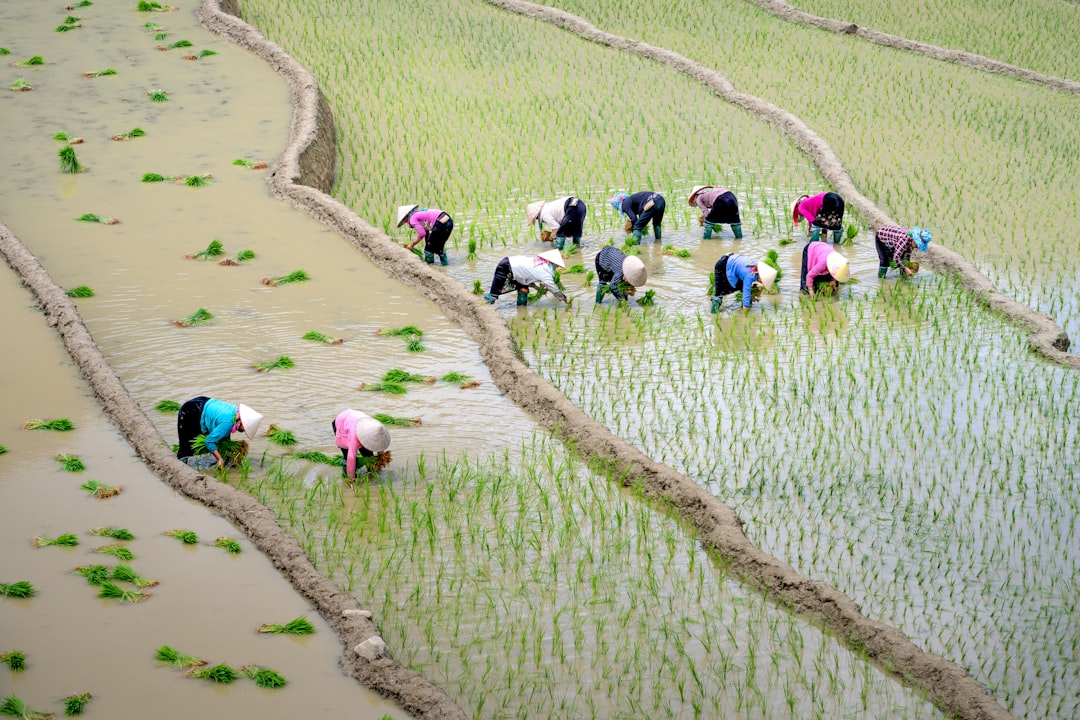
Agricultural commodities are no longer shaped merely by classic supply-demand dynamics, but by energy geopolitics, climate anomalies, and aggressive protectionist trade barriers. Deepening fertilizer dependencies and geostrategic polarization over strategic grain reserves are elevating food sovereignty into the paramount macroeconomic security parameter of the decade.
Commodity markets have long been confronted with an equation far too complex to be deciphered solely through crop yield forecasts or speculative fund positions on the Chicago Board of Trade (CBOT). The chain stretching from the sprouting seed in the soil to the routing of bulk dry carriers across maritime choke points now oscillates directly at the epicenter of global geopolitics and energy geo-economics. In this new era where food inflation has assumed a deeply structural character, agricultural economics has transcended being merely a 'sector' to become a core pillar of national strategic sovereignty.
Recent turbulence across ammonia and potash markets has once again exposed the umbilical dependency of agricultural yields on petrochemical and natural gas feedstocks. The volatility in natural gas prices—the primary input for nitrogen-based fertilizers—has multiplied input costs across developing nations, compelling farmers toward suboptimal fertilizer application and subsequently inducing structural declines in crop yields per hectare. When compounded by logistics bottlenecks in the Black Sea grain basin and drought-driven vessel limitations in critical transit arteries like the Panama Canal, it becomes evident how thin the ice beneath global supply chains truly is.
Furthermore, 'climate risk pricing' has become an institutionalized premium embedded in forward commodity contracts. Hydrological disruptions triggered by transitions between El Niño and La Niña cycles are distorting production forecasts from the Brazilian soy belt to the sub-continental paddy fields of India. This dynamic creates a stark macroeconomic asymmetry: a Global North that buffers producers through sophisticated hedging instruments and massive fiscal cushions versus a Global South struggling to finance imported inputs amidst currency devaluations and acute food insecurity.
The agricultural economy of the coming decade will not simply hinge upon producing higher volumes; it will be forged through circular biomass utilization, indigenous fertilizer formulations, precision agritech deployments, and resilient strategic grain reserves. In a landscape defined by export bans and rising agricultural nationalism, economies that fail to fortify their domestic production with technological and energy autonomy will inevitably surrender the price of their daily bread to the volatility of global markets.