


Correct Harvest Time in Sunflower Prevents Yield Loss
· TarımTR
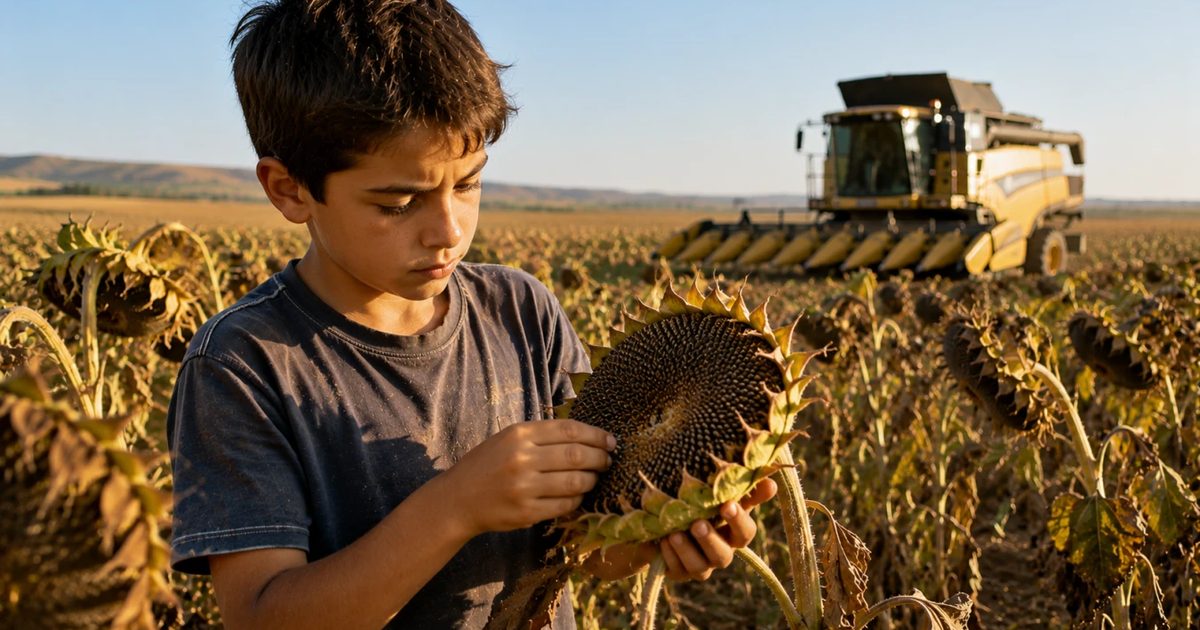
As the sunflower harvest period approaches across Turkey, experts warn that farmers should wait for seed moisture to drop to 9-10% to preserve product quality and yield.
Importance of Harvest Time in Sunflower
As the sunflower harvest period approaches across Turkey, the timing of combine harvesters entering the field is of critical importance for producers. The economic return of fertilization, irrigation, and pest control efforts throughout the season is determined at harvest. The harvest time is shaped not by the calendar but by the variety's earliness, planting date, and regional climate conditions. According to data from the Thrace Agricultural Research Institute, affiliated with the Ministry of Agriculture and Forestry, plants reach harvest maturity approximately 45 to 60 days after flowering. Producers must closely monitor the morphological changes in the field.
Key Indicators of Physiological Maturity
Changes in the color of the plant's stem, leaves, and head are the main determinants in assessing harvest maturity. The transition of the green color on the back of the head to brown indicates that the plant has completed its physiological development. Additionally, the plant's leaves should yellow and dry, and the stem should lose its green tissue and begin to dry. The drying and shedding of the flowers at the edge of the head after the flowering period are also signs of maturity. It is recommended to evaluate all these indicators together rather than relying on a single sign when making the harvest decision.
Critical Indicator: Seed Moisture
In addition to morphological observations, the most decisive technical parameter for the harvest decision is the measurement of seed moisture. Technical data from the Thrace Agricultural Research Institute states that seed moisture should not exceed 9.5% before harvest. Technical sources generally stipulate that the ideal seed moisture for harvest should drop to approximately 9% to 10%. Due to the oily seed structure of sunflowers, high moisture levels directly lead to commercial losses such as heating, mold, and deterioration of oil quality during storage.
Effects of Early Harvest on Quality
Entering the field prematurely with the aim of bringing the product to market early entails various economic risks for the producer. The high moisture levels in early-harvested sunflowers lead to increased drying costs. Quality degradation and significant drops in oil content are observed in seeds harvested before physiological maturity is complete. Since this directly reduces the commercial value of the product, a balanced harvest schedule is recommended over early harvesting.
Risks Associated with Delayed Harvest
Delaying the harvest schedule excessively also carries significant risk factors that directly lead to yield loss. Dried heads become vulnerable to bird damage, and the rate of seed shattering increases due to factors like wind. Ministry of Agriculture and Forestry sources highlight that delaying harvest increases the risks of adverse weather conditions and seed loss. Producers must complete the harvesting process before excessive drying occurs and seed shattering begins.
Yield Estimates for the 2026 Season
According to the 2026 Agricultural Production 1st Estimate data published by TurkStat, sunflower production in Turkey is expected to increase by 16.2% compared to the previous year. The announced official estimates predict a yield of approximately 2.3 million tons. Final production figures will be determined by meteorological developments until the harvest period and recent seed losses. Field checks are ongoing to ensure that high temperatures and insufficient rainfall conditions do not limit seed filling.
Combine Harvester Settings and Seed Loss
In addition to entering the field at the right time, meticulous mechanical adjustments of the combine harvester minimize harvest losses. It is important for producers to check the combine harvester's front table, cylinder, and threshing drum settings, as well as the concave clearance. Fan and sieve settings, along with maintaining an appropriate harvesting speed for field conditions, are necessary. The Thrace Agricultural Research Institute emphasizes that high working speeds significantly increase seed shattering and product losses during harvest.
Field Recommendations for Producers
It is recommended that producers take samples from different points in the field before harvest and have the seed moisture measured in a laboratory or with portable devices. Plots with concentrated bird damage should be monitored as a priority, and combine harvester maintenance should be completed before the harvest day. Meteorological rainfall forecasts must be considered when planning the harvest date, and delivery conditions should be determined in advance. This will reduce seed losses in the field, preserving oil quality and ensuring marketable yield.