


The Aging Hands of the Soil and the New Rural Call: How Do We Revitalize the Youthless Village?
· Doç. Dr. Ayşe Gündüz
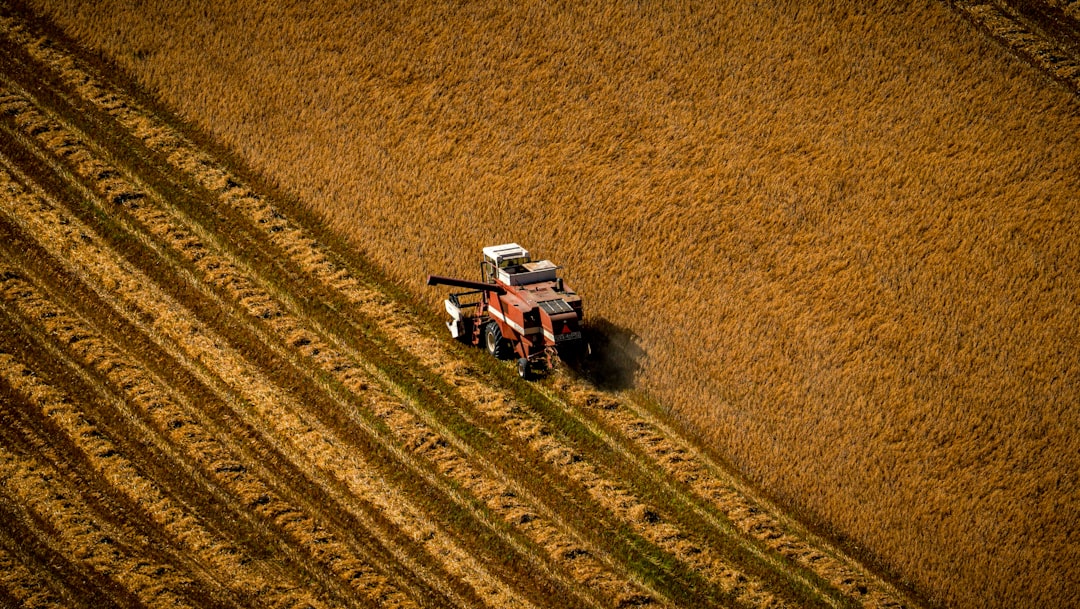
The average farmer age reaching 58 in rural Turkey is not merely a demographic issue, but a profound crisis of food sovereignty and social memory. Making rural areas attractive again requires rescuing youth from urban precarity and partnering them with the future of agriculture through next-generation digital and solidarity cooperatives.
Last week, I sat in a modest village tea house in the Central Anatolian steppe, where the wind swept across harvested straw. Every hand warming itself against the steamy glasses belonged to an elderly, gray-haired farmer who had dedicated a lifetime to the land. There was not a single person under the age of 35 in that room. Data from field research and agricultural chambers whisper an alarming truth: the average age of registered farmers in Turkey has reached 58. Our rural regions are aging rapidly, losing not just population, but centuries of accumulated agricultural wisdom.
For decades, rural-to-urban migration was framed as an inevitable byproduct of modernization. Yet what we face today is not true 'development'; it is a process whereby uprooted young people are relegated to precarious gig work on city peripheries, while fields, orchards, and pastures sink into silence. Youth turn away from rural life because farming is perceived not as a source of prosperity, but as an inheritance of poverty—plagued by soaring input costs, unfair supply chains, and lacking social infrastructure.
Can this cycle be broken? Absolutely, but not through outdated formulas. The technocratic mindset that reduces rural development to mere tractor grants or seed subsidies has failed. What we need is a multifaceted revolution in agricultural sociology paired with a new-generation cooperative model.
To attract younger generations back to the land, we must bridge rural life with digital technology, precision agriculture, and fair-trade direct distribution networks. Modern cooperatives should evolve from stagnant crop-aggregating entities into dynamic innovation hubs led by young agricultural engineers, software developers, and agronomists. You cannot retain a young family in a village without data-driven farming, shared machinery rings, rural daycare centers, and vibrant cultural ecosystems.
Food security is fundamentally a matter of national resilience. Yet we must remember that food security is not sustained by machines alone, but by producers who cultivate the soil with dignity and hope. While we revere the aging hands that have carried our heritage, we must urgently implement bold policies to welcome youthful vigor back to the fields. The seeds of our future will only sprout when youth see a dignified and prosperous life rooted in rural soil.