


World Bank Forecasts Sharp Rise in Global Commodity Prices
· Bloomberg HT
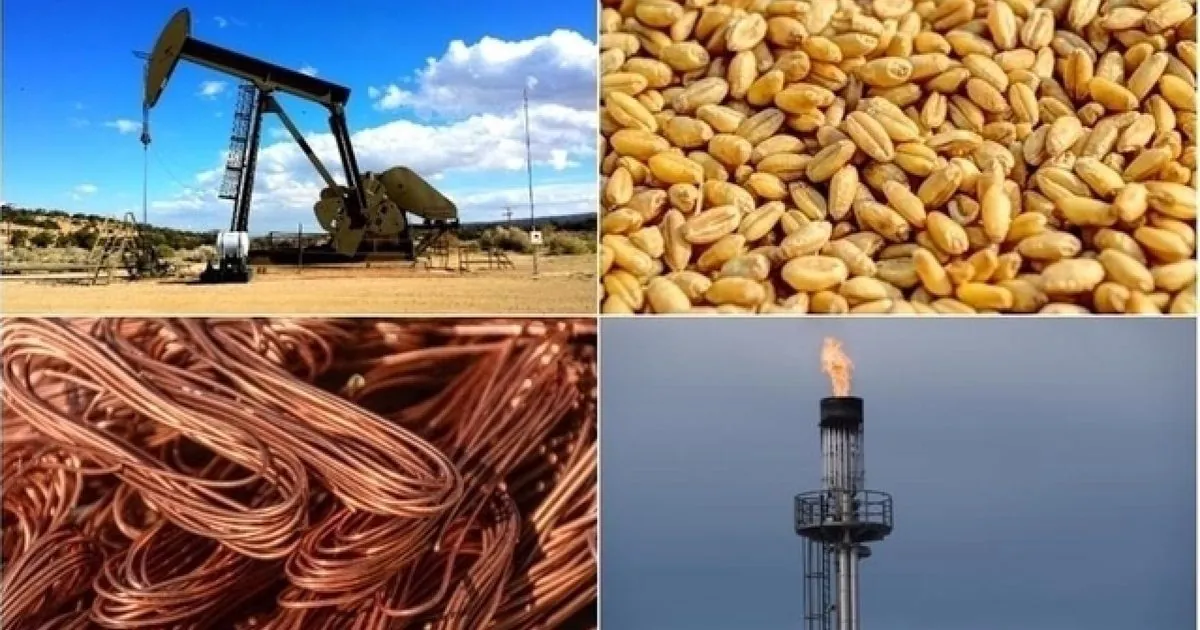
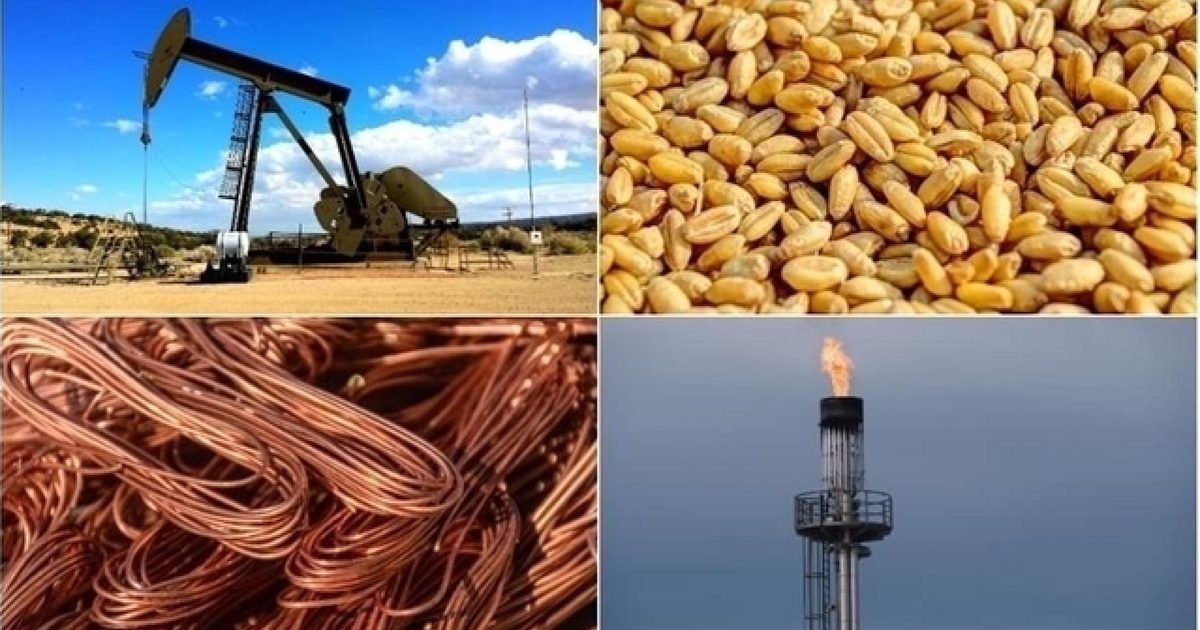
The World Bank's latest report predicts a 23.1% surge in global commodity prices by 2026, driven by geopolitical risks and weather events.
Price Shock in Global Commodity Markets
According to the October edition of the Commodity Markets Outlook report published by the World Bank, global commodity prices are expected to increase by 23.1% in 2026. The report noted that geopolitical tensions and supply chain disruptions are exerting significant pressure on markets. The overall commodity index is projected to decline by 7% in 2027. The institution highlights that successive shocks have left markets highly vulnerable to new supply disruptions.
Risks in Agricultural Production and Food
The report states that food commodity prices will rise by 10.3% in 2026 due to conflicts disrupting grain shipments and the El Nino weather phenomenon threatening agricultural harvests. This upward trend in food prices is expected to continue in 2027 with a 7.2% increase. A warning was issued that if shipping risks in the Black Sea combine with adverse weather conditions, food prices could exceed the baseline scenario by 12%, surpassing the record levels seen in 2022.
Fragile Supply Balance in the Oil Market
Energy prices are projected to rise by 32% in 2026 after a three-year downward trend, followed by an 11.5% decline in 2027. According to the report, the price of Brent crude oil will climb from $69 per barrel in 2025 to an average of $91 in 2026, before falling to $79 in 2027. Global oil supply is expected to contract by 5.2% in 2026, while consumption is projected to decrease by 2.5%. In a worst-case scenario where the crisis deepens, oil could surge to $105.
Expectation of Sharp Rise in Fertilizer Costs
Input costs, closely watched by the agricultural sector, are experiencing significant increases in parallel with energy prices. According to World Bank data, fertilizer prices are expected to rise by 14.3% in 2026, influenced by fluctuations in urea prices. This cost increase is predicted to negatively impact farmers' production decisions and final yields. Fertilizer prices are not expected to return to their 2025 levels until 2027.
Demand-Driven Peak in Metal Markets
Industrial metal prices are set to increase by 24.5% in 2026, driven by record levels in aluminum, copper, and tin, before declining by 3.3% in 2027. The report emphasized that investments in renewable energy and electric vehicles are key drivers of this increase. For precious metals, a 39.9% rise is expected in 2026 due to safe-haven demand, with gold projected to gain 33.6% and silver 75.9% in 2026.
Financing Support Against Food Crisis
The World Bank Group announced that it is providing between $50 billion and $60 billion in resources to member countries to combat the devastating effects of rising prices. It was stated that $25 billion of this funding consists of pre-arranged emergency financing instruments. Ayhan Köse, Deputy Chief Economist at the World Bank, emphasized that rising energy costs are increasing food insecurity and that protecting low-income countries is vital.
Global Commodity Price Increase Forecasts for 2026
World Bank Commodity Markets Outlook Report
- Silver
- 75.9%
- Precious Metals
- 39.9%
- Gold
- 33.6%
- Energy
- 32%
- Industrial Metals
- 24.5%
- All Commodities
- 23.1%
- Fertilizers
- 14.3%
- Food Commodities
- 10.3%